Maximizing Your Home Investment ROI: The 2026 Guide to Pool Energy Savings
Key Takeaways
- Upgrading to variable speed pumps can reduce energy consumption by up to 70 percent
- Modern high efficiency heaters drastically lower operational costs during the 2026 winter season
- Using data driven calculators ensures you select the equipment with the best return on investment
- Smart automation helps maintain peak efficiency without manual monitoring or intervention
As we move through Winter 2026, homeowners in Orange County and beyond are facing rising utility rates that make pool maintenance a significant monthly expense. While financial professionals often use a wacc calculator to determine the viability of large-scale corporate investments, residential owners must take a similar analytical approach to their home systems. Understanding the true cost of pool ownership is the first step toward reclaiming your household budget.
The shift toward energy-efficient pool technology is no longer just a trend; it is a financial necessity. With new regulations and smarter hardware available in 2026, the gap between traditional single-speed pumps and modern variable-speed alternatives has never been wider. By utilizing professional-grade calculation tools, you can pinpoint exactly where your energy dollars are leaking into the atmosphere.
Ready to see your potential savings?
Calculate Your Pool Savings Now →The 2026 Pool Efficiency Landscape
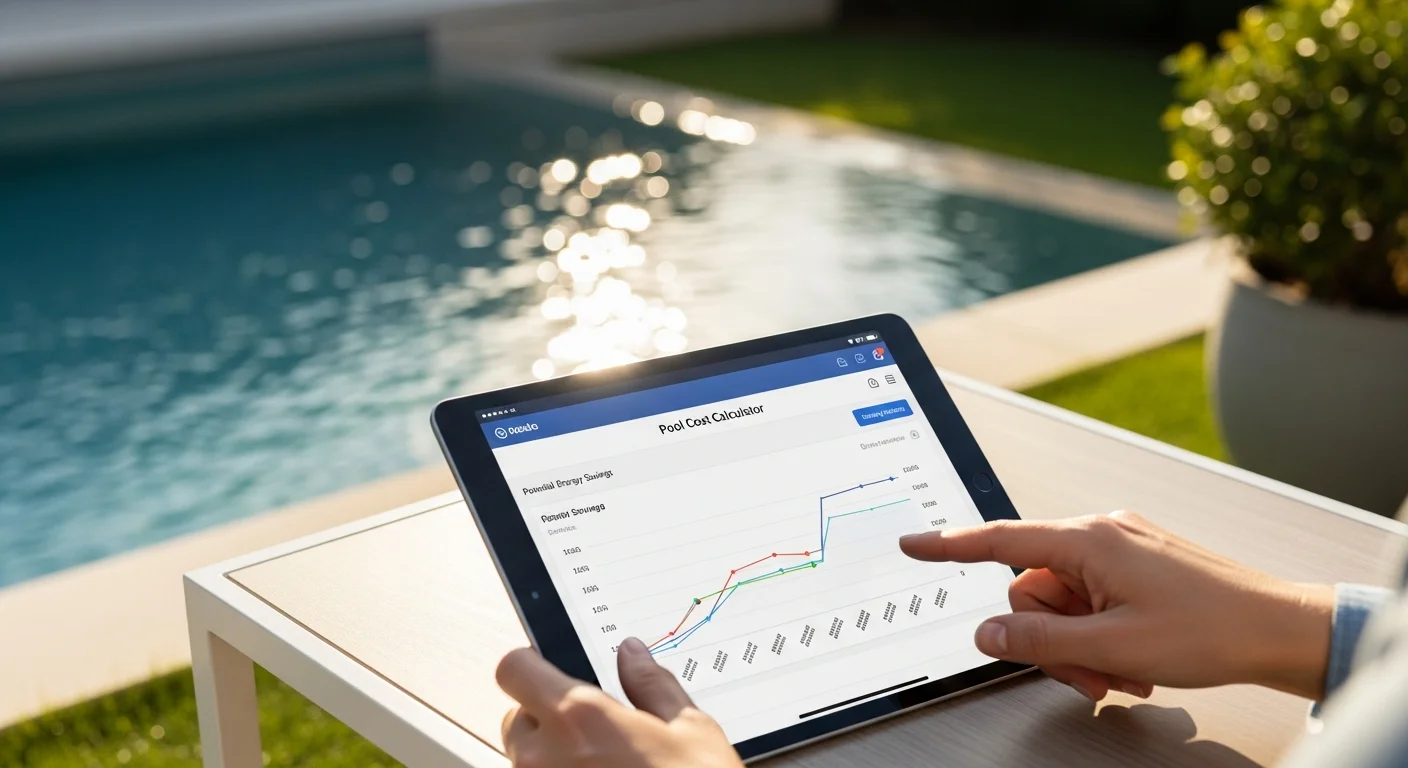
Pool Cost Calculator
Buy NowRising Utility Costs in California
According to California Energy Commission research, building standards have become increasingly strict to combat peak load demands. This means homeowners with older equipment are paying a "legacy tax" in the form of higher electricity bills compared to their neighbors with updated systems.
Technological Advancements in 2026
The current 2026 models of variable speed pumps integrate AI-driven flow management. These systems sense the resistance in your filter and adjust RPMs in real-time, ensuring the lowest possible draw from the grid while maintaining water clarity.
Beyond the WACC Calculator: Measuring Home Energy ROI
Applying Financial Metrics to Home Upgrades
While a standard wacc calculator is used by businesses to balance the cost of debt and equity, homeowners can view pool upgrades through a similar lens. By comparing the cost of financing a new pump against the guaranteed energy savings, the "weighted" cost of that capital often reveals that the upgrade pays for itself in less than 24 months.
The Opportunity Cost of Delay
Every month spent running a single-speed pump is capital lost. According to Wikipedia's definition of capital costs, failing to optimize assets leads to lower overall portfolio performance, which in this case, is your home equity.
Variable Speed Pump ROI and Savings
Understanding Kilowatt Reduction
Traditional pumps run at 3,450 RPM regardless of whether they are circulating water or vacuuming. Variable speed pumps allow you to drop to 1,000 RPM for basic filtration, using only a fraction of the power. According to EPA Energy Star data, certified pumps save an average of $450 per year.
Don't guess your electric bill—calculate it precisely.
Start Pump Efficiency Calculation →Optimizing Pool Heating for Winter 2026
Gas vs. Heat Pump Performance
In Winter 2026, the choice between gas and electric heat pumps depends heavily on your local climate. Heat pumps are incredibly efficient when ambient temperatures are above 50 degrees, while gas heaters provide the rapid temperature rise needed for occasional spa use.
| Heating Type | Efficiency Rating | Best Use Case |
|---|---|---|
| Variable Speed Pump | 90% Savings | Daily Filtration |
| Electric Heat Pump | COP 5.0 - 6.0 | Maintaining Temp |
| High-Efficiency Gas | 84% - 96% AFUE | Rapid Heating |
Why Data-Driven Calculations Matter
Customizing the ROI to Your Zip Code
Utility rates vary wildly between regions. By inputting your specific kilowatt-per-hour rate into a pool pump calculator, you can see how a wacc calculator approach to your home energy debt can lead to smarter fiscal decisions for your family.
Identifying Silent Cost Drivers
Oftentimes, it is not just the pump but the filtration timing that creates waste. Accurate modeling allows you to adjust your run schedules during off-peak hours, further compounding your savings during the 2026 utility cycle.
Long-Term Property Value and Efficiency
Green Home Certifications
According to National Renewable Energy Laboratory findings, homes with documented energy-efficient upgrades command higher resale values. Buyers in 2026 are specifically looking for smart homes that won't surprise them with high monthly maintenance costs.
Protect your home value with efficient upgrades.
Explore Pool Efficiency Tools →Frequently Asked Questions
How much can I save with a variable speed pump?
Most homeowners see a reduction of 50% to 80% in their pool-related electricity consumption. Depending on your local utility rates in 2026, this typically translates to $300 to $800 in annual savings.
Is a wacc calculator relevant for a single pool pump purchase?
While a wacc calculator is a complex financial tool, the underlying principle of evaluating the cost of capital against the expected return is vital. It helps you decide if paying for the upgrade now with a credit line or cash is better than continuing to pay high utility bills.
Are there rebates for pool pumps in 2026?
Yes, many local providers in Orange County offer instant rebates or bill credits for installing Energy Star certified equipment. These incentives can often cover a significant portion of the initial equipment cost.
How does heating efficiency affect my gas bill?
Older gas heaters are often only 70% efficient, meaning 30% of your money goes out the exhaust. Upgrading to a 95% efficient thermal heater ensures almost every dollar spent on gas actually heats your water.
Can I use the calculator for commercial pools?
Absolutely. In fact, commercial operations benefit even more from efficiency modeling due to their larger water volumes and continuous filtration needs. Professional facility managers frequently use these metrics to justify capital expenditures.
In conclusion, managing your pool costs in Winter 2026 requires a shift from passive maintenance to active financial management. While you may not need a professional wacc calculator for every household chore, applying its logic to your energy consumption is a hallmark of a savvy homeowner.
By leveraging the tools available at Orange County Home Savings, you can turn your pool from a financial drain into a high-performing asset. Take control of your utility spending today and enjoy a more sustainable, cost-effective backyard oasis for years to come.
About the Author

Written by William Corcoran, Orange County Home Savings Expert
William Corcoran has helped Orange County families save money on their homes for over 15 years. Specializing in property tax reduction and smart refinancing, he offers expert guidance you can trust. www.energybot.com www.energystar.gov
Related Articles

Ready to Find Your Savings?
Get a free personalized report showing all rebates and incentives your home qualifies for.
Get My Free Report