Home EV Charger Installation Cost 2026: Best Tesla Wall Connector Tips and Rebates
Key Takeaways
- Level 2 home charging is roughly four times faster than standard outlet charging in 2026
- Federal tax credits and local utility rebates can significantly reduce upfront installation expenses
- Professional electrical assessments are critical for verifying your home panel capacity before purchase
- The Tesla Wall Connector remains the industry standard for speed and smart home integration
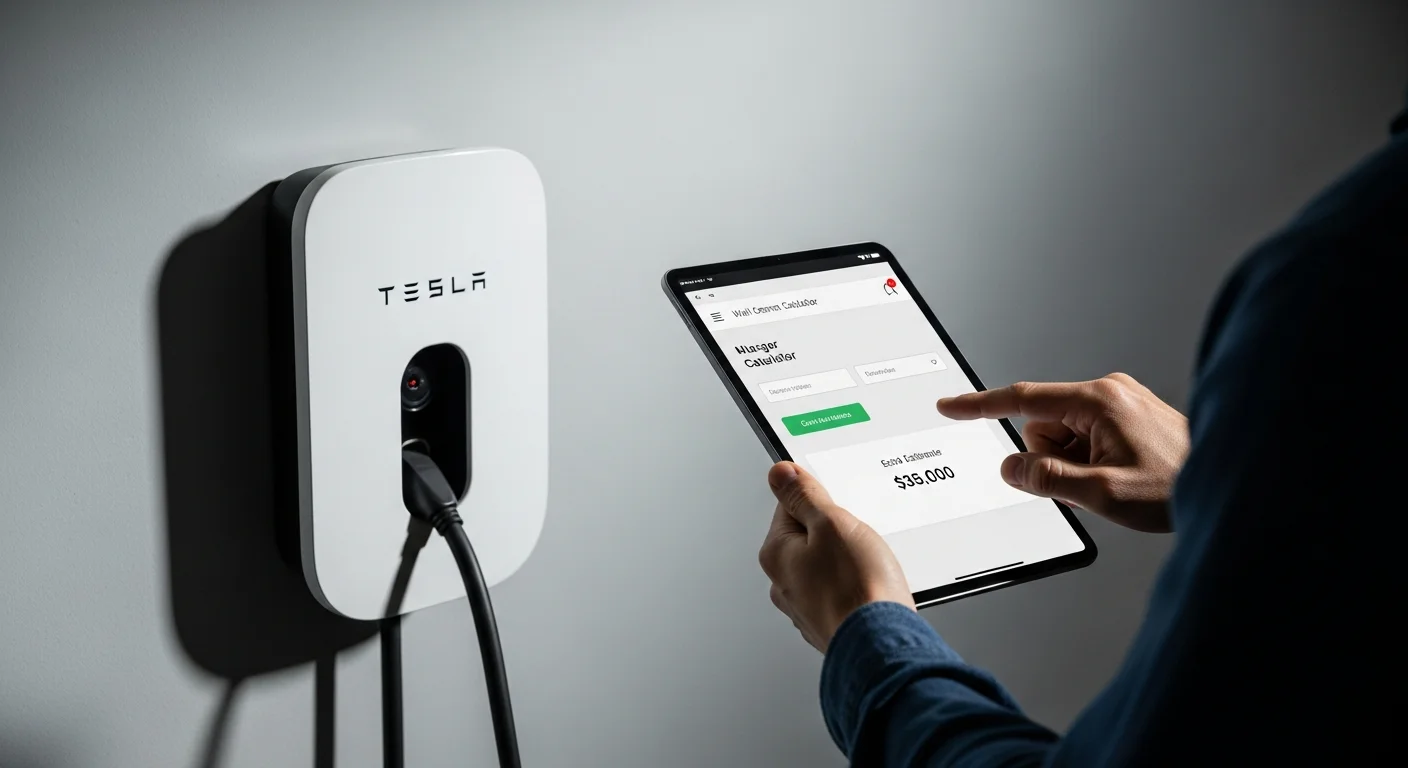
As we move through Winter 2026, the transition to sustainable energy has made residential charging more accessible than ever. Setting up tesla charging for home allows owners to wake up every morning with a full battery, eliminating the need for frequent detours to public charging hubs. According to U.S. Department of Energy data, over 80% of EV charging currently happens at home due to the sheer convenience and lower utility rates.
In this comprehensive guide, we will break down the latest hardware options, labor costs, and financial incentives available this year. Whether you are a new Model 3 owner or a veteran Model X driver, understanding the technical landscape of 2026 will help you optimize your setup. Our goal is to ensure your home becomes your personal fueling station with maximum efficiency and minimum cost.
Home EV Charger Installation Cost 2026
EV Charger Installation Calculator
Buy NowAverage Hardware Expenses
The price of the charging unit itself has stabilized in 2026. A standard Level 2 unit generally ranges from $450 to $700. The Tesla Wall Connector is currently priced competitively, offering high-speed charging and Wi-Fi connectivity for seamless software updates.
Labor and Electrical Upgrades
Labor remains the most variable cost factor. For a basic installation where the electrical panel is in the garage, you might pay between $500 and $1,200. However, if your home requires a panel upgrade to handle the additional load, costs can rise by an additional $2,000 to $4,000.
Want an accurate estimate for your home?
Use the EV Charger Calculator →Best Tesla Home Charger Options
The Universal Wall Connector
In 2026, the Universal Wall Connector is the top choice for multi-EV households. It features an integrated J1772 adapter, allowing it to charge both Tesla vehicles and other electric brands without needing separate cables. According to Tesla Official Support, this unit provides up to 44 miles of range per hour of charging.
Portable Mobile Connectors
While many owners prefer a permanent station, the Mobile Connector remains a viable backup. It is ideal for those who travel frequently or have a dedicated 240V NEMA 14-50 outlet already installed. It is slower than a hardwired Wall Connector but significantly more versatile for road trips.
Tesla Home Charging Station Requirements
Circuit Breaker and Amperage
To achieve maximum charging speeds, a 60-amp circuit breaker is required. This allows the Wall Connector to output 48 amps of continuous power. For older homes, a 40-amp or 50-amp circuit may be the only option without a full service upgrade, which will slightly reduce the charging speed.
Placement and Wiring
When planning tesla charging for home, consider the proximity of the unit to your vehicle’s charge port. Longer wire runs from the panel to the garage increase material costs. Using high-quality copper wiring is essential for safety and longevity in high-heat environments like Southern California.
Navigating Tesla Charging for Home
The Importance of Permits
In many jurisdictions, including Orange County, an electrical permit is mandatory for Level 2 installations. Skipping this step can lead to issues with homeowners insurance or complications when selling your property. A licensed electrician will handle the filing and ensure the final inspection meets National Electric Code (NEC) standards.
Professional vs. DIY Installation
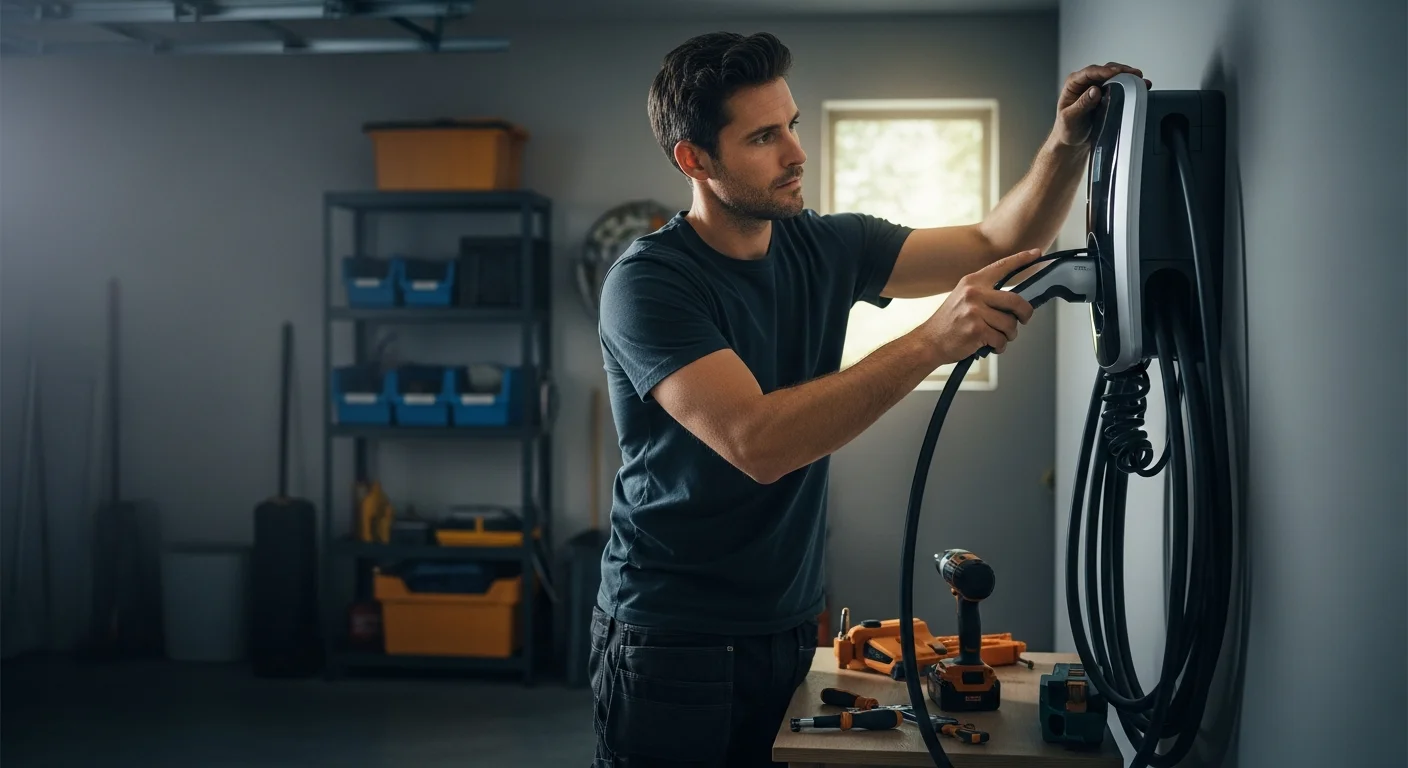
While DIY is tempting, high-voltage electrical work is dangerous. Professional installers have the specific torque tools required to ensure connections are secure. Loose connections are the leading cause of electrical fires in residential EV setups, making expert service well worth the investment.
Ready to upgrade your home's charging capacity?
Get Your Free Cost Estimate →Maximizing EV Charging Station Rebates 2026
Federal Tax Credits
The Alternative Fuel Vehicle Refueling Property Credit has been extended into 2026. This allows homeowners to claim up to 30% of the cost of hardware and installation on their federal taxes, capped at $1,000 for residential applications. Refer to the IRS documentation for eligibility details.
Local Utility Programs
Southern California residents can often take advantage of programs from providers like SCE. According to Southern California Edison's EV guidelines, certain Time-of-Use (TOU) rates can significantly lower your nightly charging costs, saving you hundreds of dollars annually compared to standard rates.
| Charger Type | Power Output | Best For |
|---|---|---|
| Mobile Connector | 1.3kW - 7.6kW | Travel and low-mileage daily drivers |
| Wall Connector | 11.5kW (at 48A) | Maximum home speed and integration |
| Universal Wall Connector | 11.5kW (at 48A) | Mixed-brand EV households |
Level 2 Charging at Home vs Supercharging
Cost Analysis per Kilowatt-Hour
Supercharging is fast but significantly more expensive than home electricity. While a Supercharger might cost $0.35 to $0.50 per kWh, charging at home during off-peak hours can be as low as $0.12 to $0.20 per kWh. Over the course of a year, this price difference can save the average driver over $1,000.
Battery Longevity Benefits
Consistently using high-speed DC fast chargers can contribute to faster battery degradation over time. Frequent tesla charging for home via Level 2 AC power is much gentler on the battery chemistry, helping preserve your vehicle's range and resale value in the long run.
Frequently Asked Questions
How much does it cost to install a Tesla charger in 2026?
On average, most homeowners pay between $1,000 and $1,800 for the combined cost of the Wall Connector and basic installation. If your electrical panel needs an upgrade to 200 amps, total costs could range from $3,000 to $5,000.
Can I install a Tesla charger myself?
It is strongly discouraged. Hardwiring a high-voltage appliance requires professional knowledge of load calculations, grounding, and local building codes. Hiring a certified electrician ensures safety and maintains your home insurance coverage.
How fast is home charging compared to a standard outlet?
A standard 120V outlet (Level 1) provides about 3 miles of range per hour. A Level 2 Wall Connector provides up to 44 miles per hour. This means a full charge that takes days on a standard outlet can be finished overnight with a Level 2 setup.
Do I need a special permit for home EV charging?
Yes, most cities require an electrical permit for installing a 240V circuit. This involves an application and a post-installation inspection to verify that the work meets safety standards and won't strain the local power grid.
What are the best incentives for EV chargers in California?
California offers several localized grants and utility rebates. In addition to the 30% federal tax credit, many local power companies offer rebates ranging from $250 to $1,000 specifically for Level 2 equipment and installation costs.
Conclusion
Investing in tesla charging for home is one of the most practical upgrades an EV owner can make in 2026. Beyond the daily convenience of a full battery, the long-term fuel savings and potential home value increase make it a sound financial decision. By leveraging federal tax credits and local utility rebates, the initial investment often pays for itself within the first year of ownership.
As you finalize your plans, remember that safety and local compliance are paramount. Using professional tools and licensed experts ensures that your home remains safe while providing peak performance for your Tesla. Start your journey today by calculating your potential savings and finding the right local pros to handle the job.
Calculate your 2026 installation costs now!
Access the Installation Calculator →About the Author

Written by William Corcoran, Orange County Home Savings Expert
William Corcoran has helped Orange County families save money on their homes for over 15 years. Specializing in property tax reduction and smart refinancing, he offers expert guidance you can trust. www.energybot.com www.energystar.gov
Related Articles

Ready to Find Your Savings?
Get a free personalized report showing all rebates and incentives your home qualifies for.
Get My Free Report