ADU Construction Costs 2026: How Much Does a Granny Flat Cost in California?
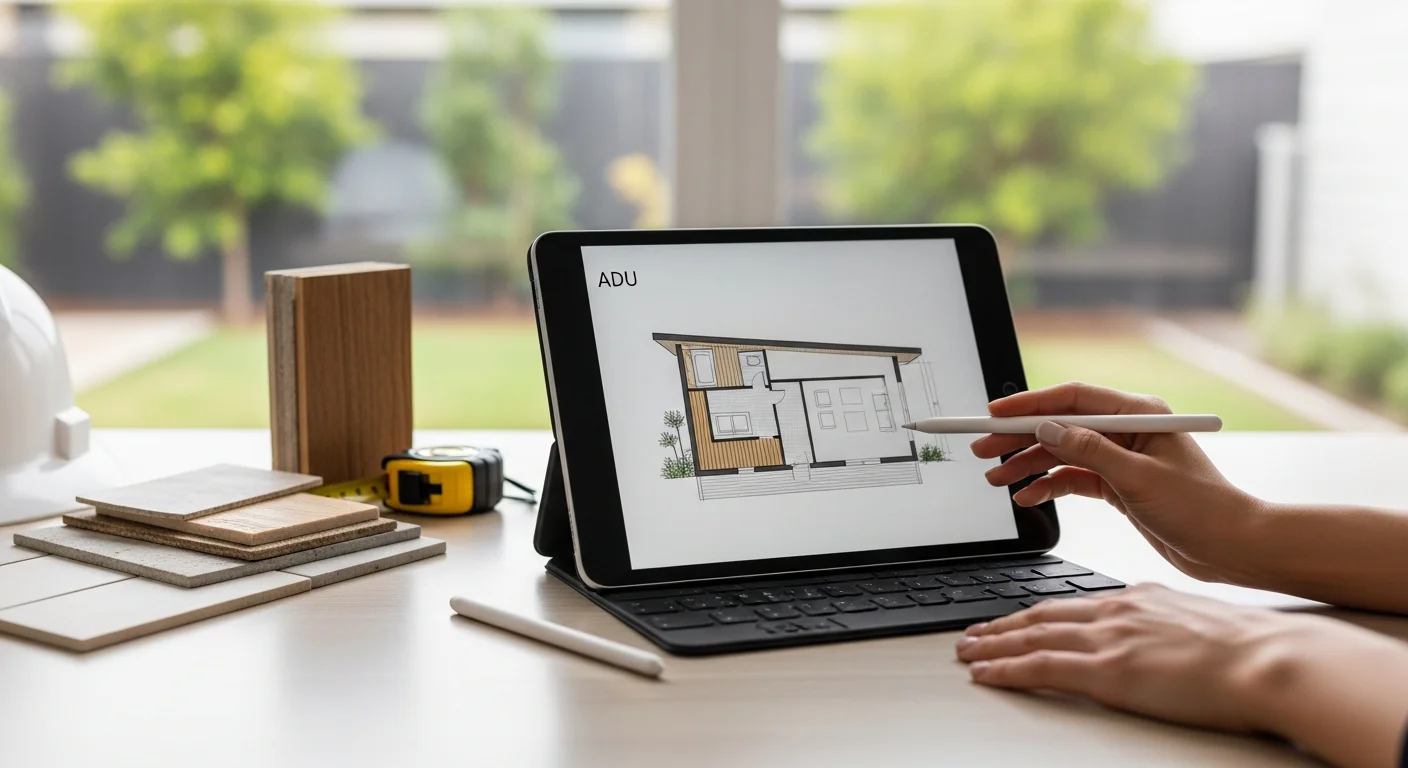
Key Takeaways
- Average construction costs for ADUs in 2026 range from 250 to 450 dollars per square foot depending on finishes.
- New California legislation for 2026 has further reduced the bureaucratic hurdles for permitting backyard homes.
- Homeowners can expect an average property value increase of 25 to 35 percent after adding a permitted ADU.
- Financing options like HELOCs and specialized ADU construction loans remain the most popular funding methods this year.
As we navigate the Winter 2026 real estate market, the conversation surrounding adus housing has shifted from a luxury addition to a critical financial strategy for California homeowners. With housing inventory remaining tight and multi-generational living on the rise, the demand for Accessory Dwelling Units has reached an all-time high. Whether you are looking to house an aging parent or generate passive rental income, understanding the current landscape is essential.
The cost of building in 2026 is influenced by shifting material prices and new environmental regulations. According to the California Department of Housing and Community Development, these units serve as a vital tool in addressing the state's housing shortage. However, before breaking ground, homeowners must accurately estimate their total investment to ensure the project remains viable.
Ready to see how much your unit will cost?
Try Our ADU Cost Calculator →The Evolution of adus housing in 2026
ADU / Granny Flat Cost Calculator
Buy NowThe Current State of Backyard Homes
In 2026, the secondary housing market has matured significantly. What used to be simple converted garages have evolved into high-end, architectural masterpieces that complement the main residence. Homeowners are now prioritizing sustainable materials and smart home technology as standard features in their backyard builds.
Why 2026 is the Year for Expansion
This surge is largely due to the maturation of the adus housing sector, which now includes streamlined supply chains and specialized contractors. Local municipalities have also improved their digital permitting portals, making it faster than ever to move from the design phase to the actual construction phase in early 2026.
ADU Construction Costs 2026: Breaking Down the Budget
Prefab vs Stick-Built Pricing
The choice between a prefabricated unit and a traditional stick-built unit remains the biggest factor in your budget. Prefab units offer cost certainty and faster timelines, often starting around $180,000 for a studio. Stick-built units offer total customization but require more labor and time, typically starting at $225,000 in the current Winter 2026 market.
Hidden Soft Costs and Utility Hookups
Many homeowners forget to budget for "soft costs," which include architectural drawings, soil reports, and permit fees. In Orange County, utility connection fees can range from $5,000 to $15,000 depending on the proximity to the main sewer and electrical lines. Always keep a 10% contingency fund for these unexpected expenses.
| ADU Type | Est. Cost (2026) | Build Time |
|---|---|---|
| Garage Conversion | $120,000 - $160,000 | 3-5 Months |
| Prefabricated Unit | $180,000 - $280,000 | 2-4 Months |
| Custom Stick-Built | $250,000 - $450,000+ | 6-10 Months |
Calculate your specific ROI today!
Start Your Free Estimate →California ADU Laws 2026: What Homeowners Need to Know
SB 9 and Local Zoning Updates
According to the California Legislative Information database, 2026 has seen the expansion of SB 9, allowing for more flexible lot splitting and ADU density. This means some homeowners can now build up to two ADUs on a single-family lot, significantly increasing the potential for rental income.
Parking Requirements and Setback Exemptions
State law continues to mandate that local jurisdictions cannot require parking for ADUs located within a half-mile of public transit. Additionally, setback requirements for new units have been capped at four feet, allowing for maximum yard utilization in smaller Orange County lots.
Increase Property Value with ADU Units: ROI Analysis
Impact on Appraised Home Value
Appraisers are now more equipped to value adus housing as permanent, income-generating assets rather than just secondary storage space. Research from the National Association of Realtors suggests that adding a legal ADU can increase a home's resale value by an average of 35% in high-demand markets.
Rental Market Trends in Orange County
In Winter 2026, the rental market for small, private units remains incredibly strong. A one-bedroom ADU in areas like Irvine or Newport Beach can command monthly rents between $2,800 and $3,500, often covering the entire mortgage payment for the construction loan within the first few years of occupancy.
ADU vs Guest House: Choosing the Right Structure
Defining Legal Habitability
The primary difference between adus housing and a traditional guest house is the presence of a kitchen. An ADU is a full, independent living unit with permanent provisions for living, sleeping, eating, cooking, and sanitation. A guest house (or JADU) may share some facilities or lack a full kitchen range.
Kitchen and Utility Differences
If your goal is rental income, the ADU classification is essential, as most local codes do not allow for long-term rental of a guest house without a full kitchen. In 2026, the legal distinction is clearer than ever, with many homeowners choosing the full ADU route to maximize their long-term flexibility.
ADU Financing Options 2026: How to Fund Your Build
HELOCs and Home Equity Loans
Home Equity Lines of Credit (HELOCs) remain a staple for financing backyard homes. Because many California properties have seen significant appreciation over the last few years, homeowners can leverage their existing equity to fund the construction without having to refinance their primary low-interest mortgage.
Renovation Loans and State Grants
There are several new grant programs available in 2026 specifically aimed at middle-income families building ADUs. According to the CalHFA website, certain residents may qualify for up to $40,000 in pre-development grants to cover costs like architectural fees and soil testing.
Don't guess your budget—calculate it now!
Open ADU Cost Estimator →Frequently Asked Questions
How long does it take to build an ADU in 2026?
On average, the entire process—including design, permitting, and construction—takes between 9 and 14 months. Garage conversions are much faster, often completed within 4 to 6 months.
Do I need a separate address for my ADU?
Yes, most cities in California require the ADU to have its own address (e.g., 123 Main St Unit B). This is essential for emergency services and for the tenant to set up independent utility accounts.
Can I sell my ADU separately from my main house?
Under certain circumstances and new 2026 lot-split laws (like AB 1033), some municipalities now allow ADUs to be sold as condominiums. However, this is still subject to local city ordinances and specific homeowner association rules.
What is the maximum size of an ADU in California?
State law generally allows for ADUs up to 1,200 square feet. However, local jurisdictions can set smaller maximums (like 850 or 1,000 square feet) for one-bedroom units, provided they still allow for at least 800 square feet.
Is a solar panel system required for an ADU?
Yes, California's Title 24 energy standards mandate that newly constructed, detached ADUs include solar panels. This requirement does not usually apply to garage conversions or ADUs attached to the main home.
Final Thoughts on adus housing
In the landscape of 2026, building an ADU is no longer just a home improvement project—it is a sophisticated investment. By understanding the interplay between construction costs, legislative changes, and financing options, you can create a space that offers both functional utility and significant financial returns.
As we look forward to the remainder of 2026, the trend of maximizing residential land through adus housing shows no signs of slowing down. For homeowners in Orange County and across California, the path to a backyard home is now more accessible than ever before, provided you have the right data and planning tools at your disposal.
About the Author

Written by William Corcoran, Orange County Home Savings Expert
William Corcoran has helped Orange County families save money on their homes for over 15 years. Specializing in property tax reduction and smart refinancing, he offers expert guidance you can trust. www.energybot.com www.energystar.gov
Related Articles


Ready to Find Your Savings?
Get a free personalized report showing all rebates and incentives your home qualifies for.
Get My Free Report