Modern Eco-Friendly Housing Solutions: How to Improve Your Home Energy Efficiency Rating in 2026
Key Takeaways
- Achieving a high home energy efficiency rating can significantly increase property value in 2026.
- Modern high performance building standards focus on airtightness and superior insulation.
- Smart home energy management systems allow for real time monitoring of utility consumption.
- Simple upgrades like solar window films and LED lighting offer immediate returns on investment.
As we move through Spring 2026, homeowners in Orange County are increasingly prioritizing sustainability and long-term cost savings. The rising interest in passive homes across Southern California reflects a broader shift toward residences that require minimal energy for heating and cooling. Understanding how your property measures up against modern efficiency standards is the first step toward a more comfortable and affordable living environment.
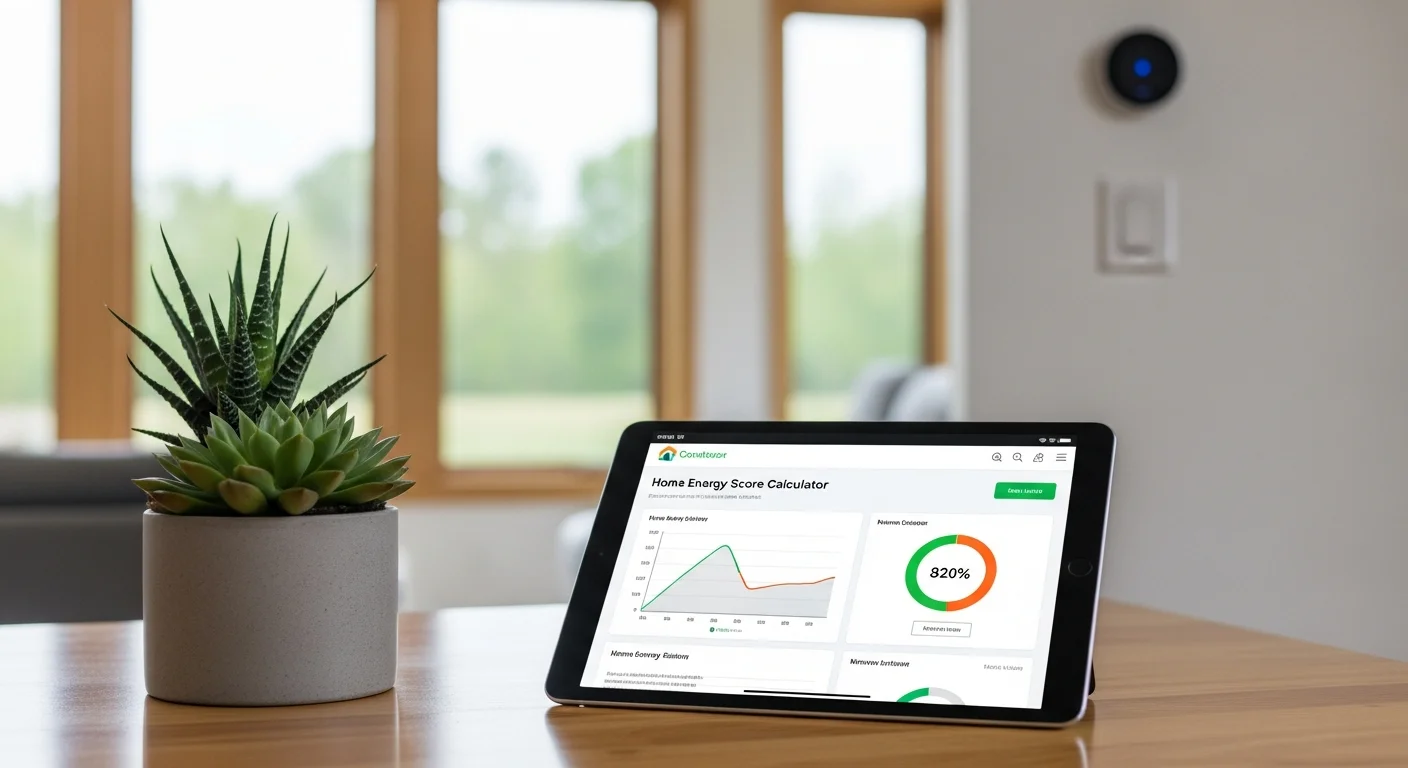
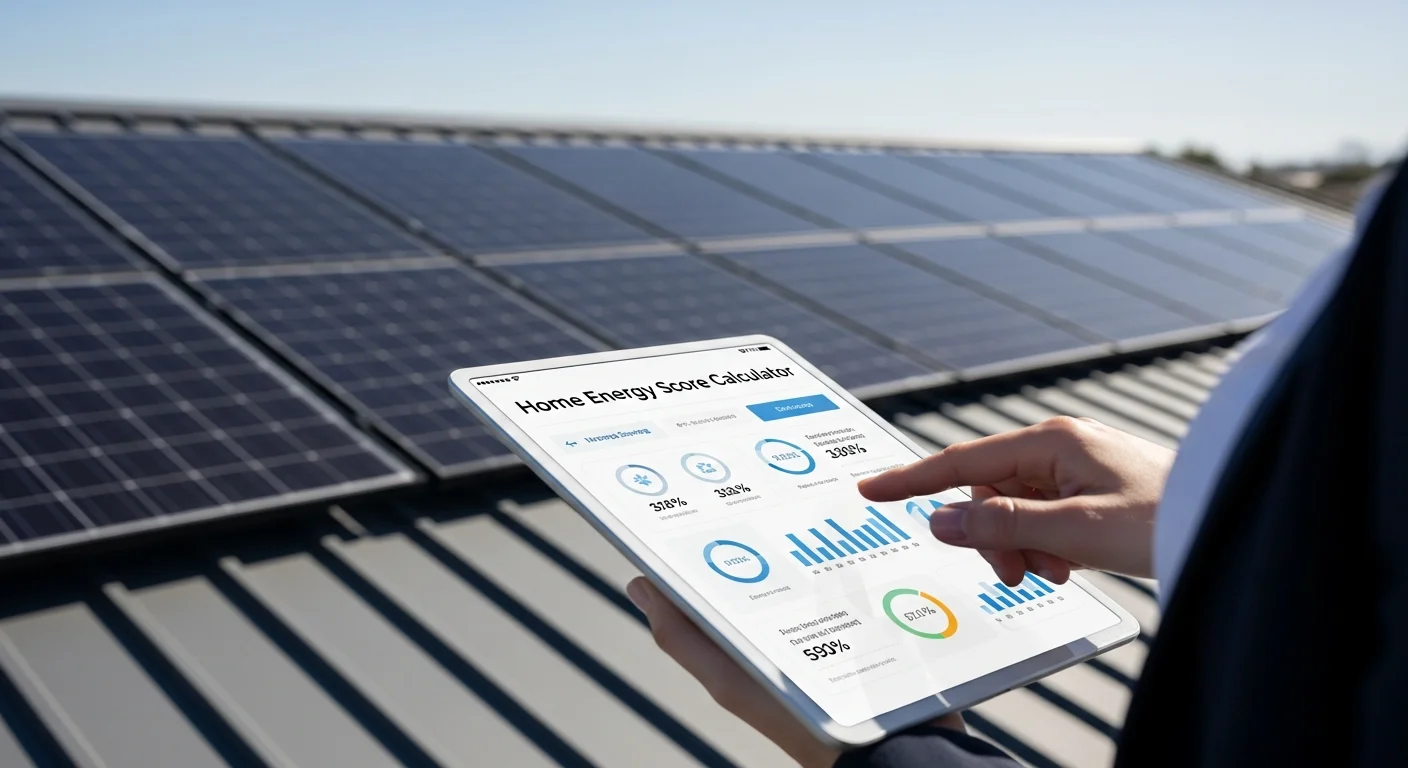
According to the U.S. Department of Energy, a residential energy assessment can identify specific areas where heat loss occurs. By using a specialized tool like a Home Energy Score Calculator, you can receive a standardized rating that allows you to compare your home's performance with other modern builds. This data-driven approach is essential for any homeowner looking to navigate the 2026 real estate market effectively.
Want to know your home's efficiency level?
Calculate Your Home Energy Score →Understanding the 2026 Home Energy Efficiency Rating System
Home Energy Score Calculator
Buy NowThe Department of Energy Scoring Model
The standard rating system provides a score from 1 to 10, where 10 represents the highest level of efficiency. In 2026, this system accounts for updated climate data and local weather patterns in Orange County. Factors such as window orientation, HVAC age, and wall construction play pivotal roles in determining your final rank.
Why Your Rating Matters for Resale
Modern buyers are increasingly asking for a home energy efficiency rating before making an offer. A high score signifies lower monthly utility bills and a more durable building envelope. Homes with a score of 8 or higher often command a premium price in competitive markets.
Local Incentives and Rebates
Many local utilities offer financial incentives for those who achieve specific energy milestones. By documenting your upgrades, you may qualify for tax credits or direct rebates. These programs are designed to encourage the adoption of high performance building standards across the region.
Key Components of Passive Homes and High-Performance Design
Continuous Thermal Insulation
When comparing traditional builds to passive homes, the primary difference lies in the insulation strategy. A continuous layer of high-quality material wraps the entire building, eliminating thermal bridges. This ensures that heat stays inside during the winter and outside during the hot California summer.
High-Performance Windows
Windows are often the weakest link in a home's energy armor. Modern standards require triple-pane glass with low-emissivity coatings. These units are designed to capture passive solar heating benefits while preventing harmful UV rays from overheating the interior.
Mechanical Ventilation with Heat Recovery
Because highly efficient homes are airtight, they require dedicated systems to maintain air quality. Energy Recovery Ventilators (ERVs) exchange stale indoor air for fresh outdoor air while transferring the temperature. This allows for constant fresh air without the energy loss associated with opening windows.
Ready to optimize your property for 2026 standards?
Get Your Custom Energy Plan →How to Improve Your Home Energy Score with Simple Upgrades
Air Sealing and Weatherization
The most cost-effective way to boost your score is by sealing small gaps around doors, windows, and electrical outlets. Using high-grade caulk and weatherstripping can prevent drafts that force your HVAC system to work overtime. These energy saving tips for homeowners 2026 are easy to implement but offer high impact.
Upgrading to Smart Lighting
Replacing old incandescent bulbs with high-efficiency LEDs can lower your lighting bill by up to 80%. Integrating these with motion sensors and smart dimmers ensures lights are only on when needed. This is a foundational step in smart home energy management 2026.
Thermostat Optimization
Installing a learning thermostat allows your home to adjust temperatures based on your schedule. By slightly reducing heating or cooling when you are away, you can see a noticeable drop in your monthly utility costs. Modern models in 2026 even integrate with local grid demand-response programs.
Sustainable Home Design Trends for Spring 2026
Biophilic Design and Natural Shading
In Spring 2026, we are seeing a resurgence of natural elements in home design. Strategic planting of deciduous trees provides shade in the summer while allowing sun to warm the house in winter. This traditional method perfectly complements modern eco-friendly housing solutions.
Building-Integrated Photovoltaics
Solar technology has evolved beyond bulky panels. We now see solar shingles and windows that generate electricity without altering the home's aesthetic. These innovations are helping homeowners reach the cost of net zero home construction more affordably than ever before.
Recycled and Low-Carbon Materials
From mycelium insulation to recycled steel framing, the materials we use are becoming more sustainable. These choices reduce the embodied carbon of the building, satisfying the growing demand for reducing carbon footprint at home. According to Wikipedia's guide to sustainable architecture, material selection is a core pillar of green design.
Benefits of Airtight Home Construction and Modern Insulation
Technologies often found in passive homes, such as high-density spray foam and specialized membrane tapes, have become the new gold standard for general construction. Airtightness is no longer just for luxury builds; it is a fundamental requirement for anyone serious about lowering utility bills with insulation.
| Efficiency Strategy | Typical Energy Savings |
|---|---|
| Advanced Air Sealing | 15% - 20% |
| Attic Insulation Upgrade | 10% - 15% |
| Smart HVAC Controls | 8% - 12% |
| Triple-Pane Windows | 12% - 18% |
Moisture Control and Durability
A tight envelope isn't just about heat; it's about moisture. By preventing air leakage, you also prevent condensation within the walls, which is the leading cause of mold and structural decay. This longevity is one of the greatest benefits of airtight home construction.
Noise Reduction Benefits
The same features that keep heat in also keep noise out. Homeowners who achieve the rigor of passive homes standards often report a significantly quieter indoor environment, free from street noise and neighborhood distractions.
See how your insulation levels impact your score.
Launch Efficiency Calculator →Frequently Asked Questions
How is a Home Energy Score different from an audit?
A score provides a standardized 1-10 rating based on the physical characteristics of the house, while an audit focuses more on your personal energy usage habits. The score is better for comparing homes during a sale, while the audit is great for behavioral changes.
Is it expensive to build a high performance home in 2026?
While upfront costs may be 3-5% higher than traditional builds, the long-term savings on utility bills and maintenance usually result in a full return on investment within 7-10 years. According to Energy Star data, energy-efficient homes have significantly lower lifecycle costs.
What are the most effective energy saving tips for homeowners 2026?
The best results come from a combination of air sealing, attic insulation, and switching to heat pump technology for water and space heating. Monitoring your usage via smart apps also helps identify and eliminate waste.
Can old homes achieve a high energy score?
Yes, through deep energy retrofits. This involves upgrading insulation, replacing windows, and installing high-efficiency mechanical systems. Many older homes in Orange County have successfully reached modern efficiency standards.
How does smart home technology improve efficiency?
Smart technology automates energy saving by turning off appliances when not in use and optimizing heating and cooling based on real-time electricity pricing. This active management is a key component of modern sustainable living.
In conclusion, transitioning toward the efficiency of passive homes is not just an environmental choice but a smart financial strategy for the modern homeowner. By utilizing tools like the Home Energy Score Calculator, you gain the insights necessary to make informed decisions about your property.
As technology continues to advance throughout 2026, staying ahead of these trends will ensure your home remains comfortable, valuable, and sustainable. Whether you are planning a complete renovation or just looking for small ways to save, the path to a high-performance home starts with a single step of assessment.
About the Author

Written by William Corcoran, Orange County Home Savings Expert
William Corcoran has helped Orange County families save money on their homes for over 15 years. Specializing in property tax reduction and smart refinancing, he offers expert guidance you can trust. www.energybot.com www.energystar.gov
Related Articles
Ready to Find Your Savings?
Get a free personalized report showing all rebates and incentives your home qualifies for.
Get My Free Report