Smart Strategies for Energy Efficient Pools: How to Slash Your Utility Bills in 2026
Key Takeaways
- Variable speed pumps can reduce energy consumption by up to 90 percent compared to older models
- Modern heat pumps offer a more sustainable and cost-effective alternative to traditional gas heaters
- Consistent upkeep prevents equipment strain and maintains peak hydraulic efficiency
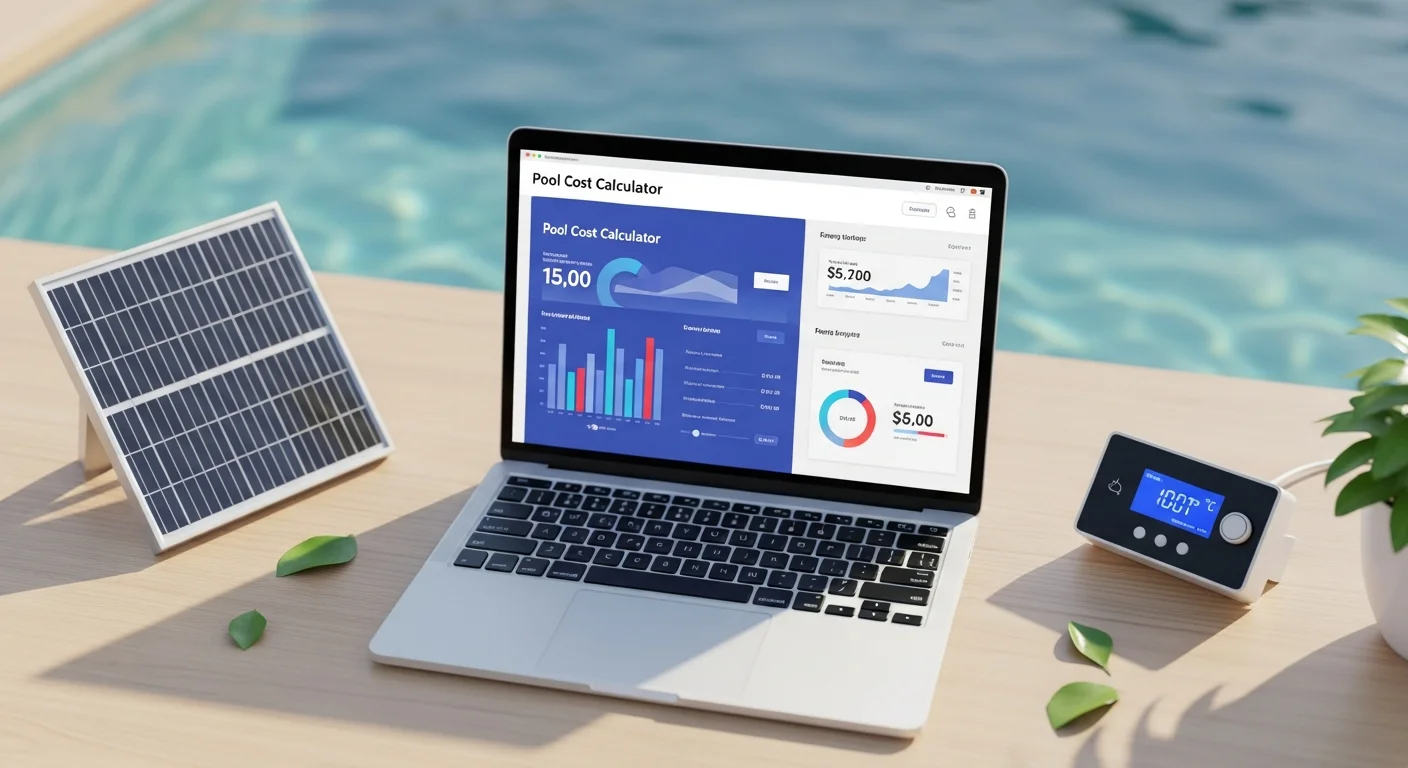
- Utilizing an energy calculator helps homeowners visualize long term ROI on equipment upgrades
As we enter the Spring 2026 season, homeowners are increasingly focused on sustainable living and reducing household overhead. Managing a swimming pool is often one of the largest electricity expenses for a residence, yet many are unaware of how easily these costs can be mitigated. Implementing a proactive strategy for pool maintenance is the first step toward significant annual savings.
The landscape of backyard technology has shifted rapidly over the last year. New regulations and advancements in motor efficiency mean that the hardware available today is far superior to what was standard just a few years ago. By understanding the intersection of hydraulics and electricity, you can enjoy a crystal-clear pool without the burden of inflated utility bills.
Understanding Your Pool Energy Consumption
Pool Cost Calculator
Buy NowThe Role of Circulation Systems
The circulation pump is the heart of your pool, responsible for filtration and chemical distribution. According to the U.S. Department of Energy, pumps that run at a constant high speed often consume more energy than necessary to maintain water quality. Moving water more slowly over a longer period is actually more efficient.
Heating and Thermal Retention
Heating is typically the secondary major expense, especially during the cooler Spring 2026 evenings. Evaporation is the primary cause of heat loss, meaning that without proper cover and efficient heating hardware, you are essentially throwing money into the air. Understanding the pool pump vs heater energy usage is critical for balancing your budget.
The Financial Impact of Routine Pool Maintenance
Preventing Hydraulic Resistance
When filters become clogged or baskets are full of debris, your pump must work harder to push water through the system. This increased resistance leads to higher amperage draw and premature motor wear. Consistent pool maintenance ensures that the water path remains clear, allowing the system to operate at the lowest possible energy state.
Chemical Balance and Equipment Longevity
Improper pH levels can lead to scaling or corrosion on heater elements. According to Wikipedia's entry on pool sanitation, maintaining the Langelier Saturation Index is vital for protecting hardware. Damage to internal components forces heaters to run longer to reach target temperatures, wasting both time and money.
Want to see how much you could save this month?
Access the Pool Cost Calculator →Variable Speed Pool Pump Benefits and ROI
The Science of Affinity Laws
Variable speed pumps allow you to adjust the flow rate to the specific task at hand. If you cut the motor speed in half, the power consumption drops to one-eighth of the original amount. This is why variable speed pool pump benefits are so significant; they provide the flexibility to run low-speed filtration for pennies a day.
Quiet Operation and Durability
Unlike traditional single-speed motors that roar at 3,450 RPM, modern high-efficiency motors run cooler and quieter. Research from ENERGY STAR indicates that these certified pumps can save homeowners over $2,000 over their lifetime compared to standard models.
| Pump Type | Energy Usage | Noise Level |
|---|---|---|
| Single Speed | High (Constant) | Loud |
| Dual Speed | Moderate | Moderate |
| Variable Speed | Very Low | Near Silent |
High Efficiency Pool Equipment 2026: Heating Solutions
The Rise of Electric Heat Pumps
In the 2026 market, electric heat pumps have become the gold standard for efficiency. They work by extracting heat from the ambient air and transferring it to the water, rather than generating heat through combustion. This process is much more efficient, often yielding a COP (Coefficient of Performance) of 5.0 or higher.
Solar Thermal Integration
Solar heating remains the most cost-effective method over time. By pumping water through rooftop collectors, you can significantly reduce pool heating costs using free energy from the sun. According to the National Renewable Energy Laboratory, solar systems can pay for themselves in as little as two to three years.
Ready to upgrade to 2026's best pool technology?
Calculate Your Savings Potential →Smart Pool Technology Trends 2026
Automated Scheduling for Off-Peak Rates
Many utility companies offer lower rates during the night or early morning. Modern pool automation for energy savings allows you to program your equipment to run during these off-peak windows automatically. This simple scheduling adjustment can lower your monthly bill without changing the total run time of your equipment.
Real-Time Energy Monitoring
The latest smart controllers provide live feedback on your energy draw. By seeing exactly how much power your heater or pump is consuming, you can make informed decisions about your settings. This transparency is a key part of lowering pool utility bills in the modern era.
Frequently Asked Questions
How much can a variable speed pump really save?
Most homeowners see a reduction in pump-related electricity costs of 70% to 90%. Depending on local electricity rates in 2026, this typically equates to $400 to $1,200 in annual savings. The ROI is usually achieved within the first two seasons of operation.
Is a pool cover necessary for energy efficiency?
Yes, a cover is the single most effective way to reduce heating costs. It prevents evaporation, which accounts for up to 70% of a pool's heat loss. Using a cover in conjunction with an efficient heater can cut energy needs by half.
What is the best temperature for pool efficiency?
The American Red Cross recommends 78 to 82 degrees for competitive and recreational swimming. Each degree you raise the temperature can increase your energy costs by 10% to 30%. Keeping the temperature at the lower end of your comfort zone saves significant money.
How often should I run my pool pump in 2026?
Ideally, you should aim for one complete turnover of water per day. With a variable speed pump, this is best achieved by running the pump at a very low speed for 12 to 24 hours. This provides continuous filtration while using minimal power.
Are there rebates for energy-efficient pool upgrades?
Many local utility providers and state agencies offer rebates for installing ENERGY STAR certified equipment. You can check for current 2026 incentives on the DSIRE database or your local energy provider's website.
Conclusion
Maximizing the efficiency of your backyard oasis doesn't require sacrificing comfort. By combining the latest high-efficiency hardware with a disciplined approach to pool maintenance, you can create a sustainable environment that costs a fraction of traditional setups. The Spring 2026 season is the perfect time to audit your equipment and identify where you are overspending on utilities.
Remember that the best defense against high costs is data. Using a specialized calculator allows you to move beyond guesswork and see the tangible impact of every adjustment you make. Whether it's upgrading to a variable speed pump or optimizing your heating schedule, the path to a more affordable pool starts with understanding your current consumption patterns.
Stop overpaying for your pool's electricity and heating.
Open the Orange County Home Savings Calculator →About the Author

Written by William Corcoran, Orange County Home Savings Expert
William Corcoran has helped Orange County families save money on their homes for over 15 years. Specializing in property tax reduction and smart refinancing, he offers expert guidance you can trust. www.energybot.com www.energystar.gov
Related Articles

Ready to Find Your Savings?
Get a free personalized report showing all rebates and incentives your home qualifies for.
Get My Free Report