Home EV Charging Installation Guide: 2026 Costs, Rebates, and Savings Calculator
Key Takeaways
- Level 2 charging stations are the gold standard for residential efficiency in 2026
- Federal tax credits and local utility rebates can cover a significant portion of hardware and labor costs
- Professional installation by a licensed electrician is mandatory for safety and permit compliance
- Our online calculator provides personalized estimates for Orange County homeowners
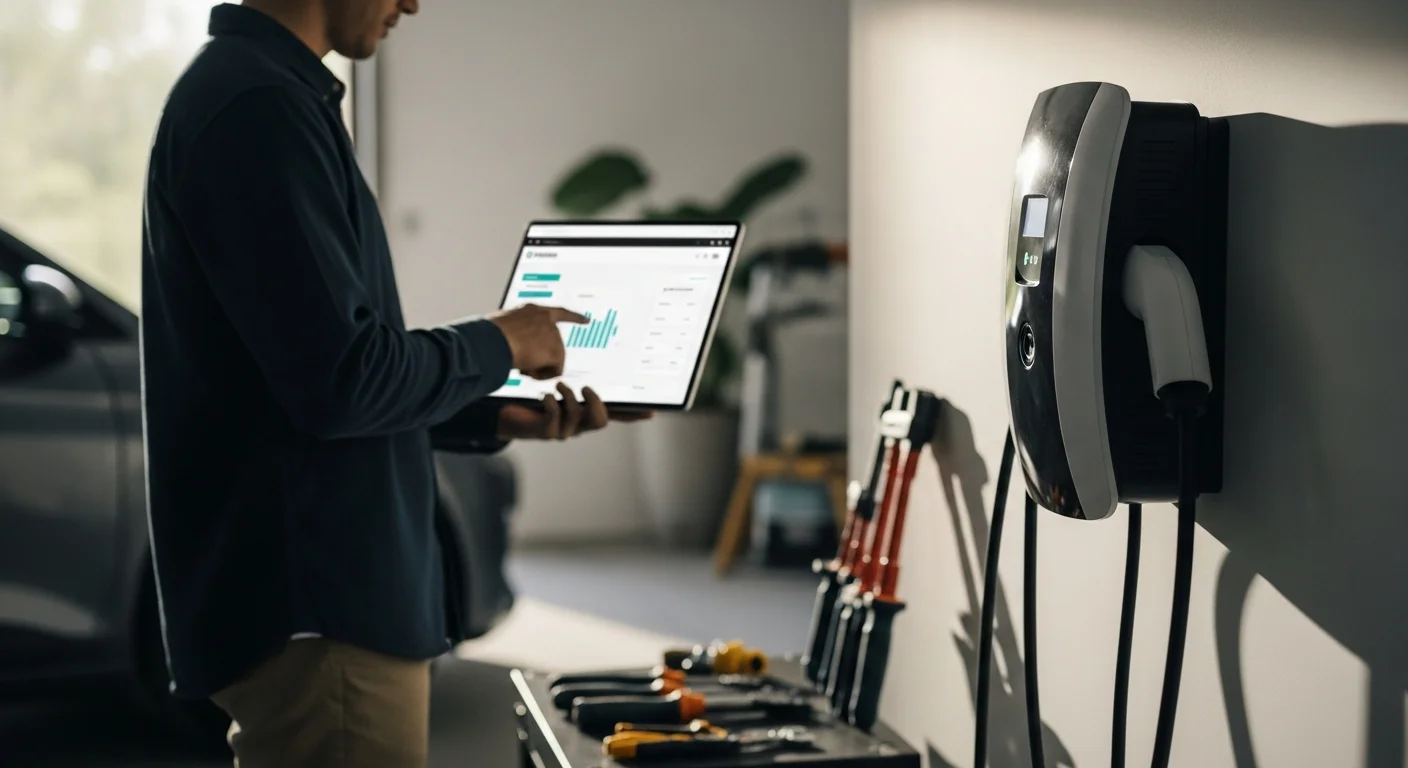
As we move through Winter 2026, the transition to electric mobility has reached an all-time high in Orange County. For many new EV owners, the first priority is selecting a reliable car charger that can deliver fast, safe, and cost-effective power overnight. Without a dedicated home setup, drivers often face the inconvenience of public charging networks and higher energy tariffs.
However, the complexity of electrical panels, permit requirements, and varying hardware options can make the installation process feel overwhelming. According to the U.S. Department of Energy, home charging accounts for nearly 80% of all EV energy consumption, making it the most critical infrastructure for any electric vehicle owner.
Understanding Home EV Charging Station Requirements
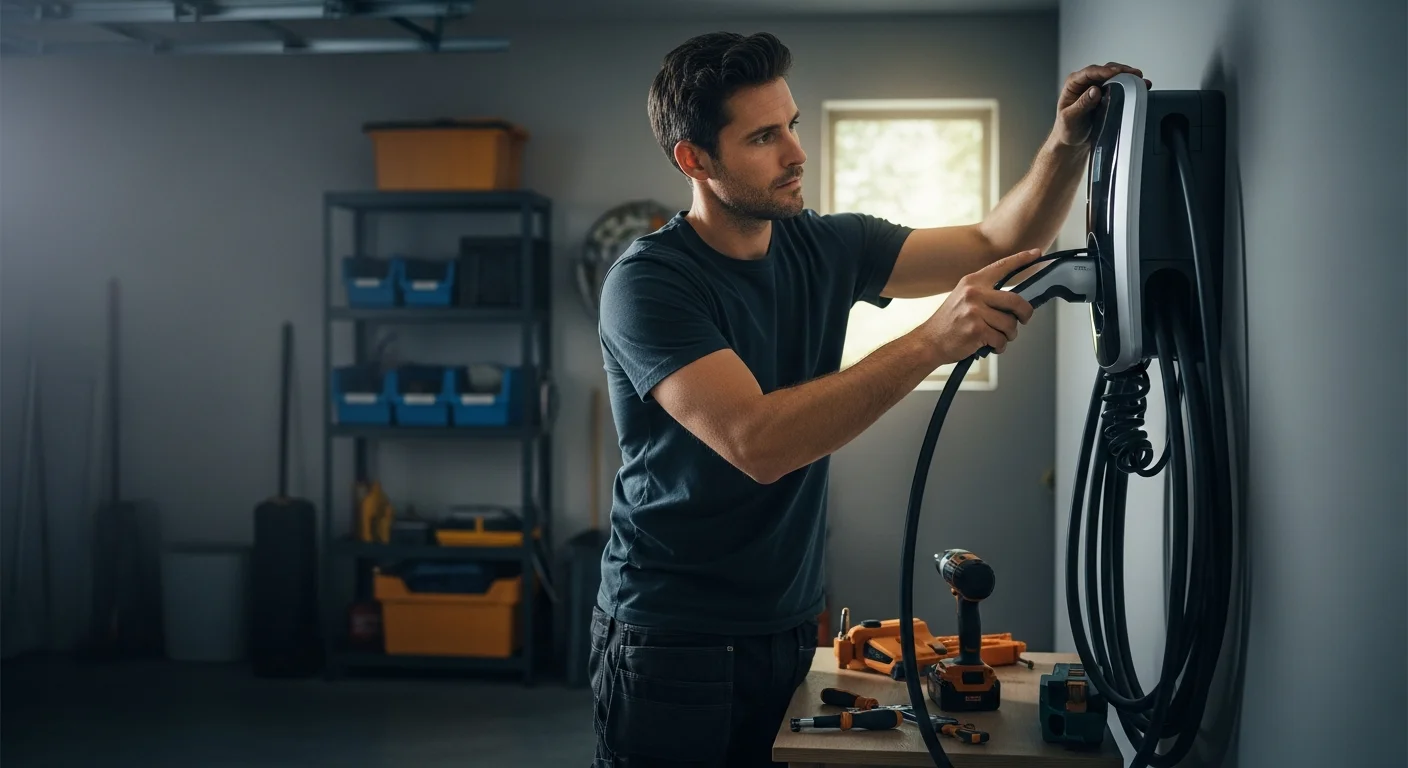
EV Charger Installation Calculator
Buy NowElectrical Panel Capacity
Before purchasing equipment, you must assess your home’s electrical service. Most Level 2 stations require a dedicated 240V circuit, similar to a large appliance like a dryer or oven. If your current panel is rated at 100 amps or lower, a panel upgrade may be necessary to support the additional load safely.
Permitting and Local Codes
Installing a high-voltage system requires a municipal permit in most Southern California cities. This ensures the installation meets the National Electrical Code (NEC) standards. Professional installers handle this paperwork to ensure your home insurance remains valid and the system is safe for long-term use.
Ready to estimate your specific setup costs?
Use the EV Installation Calculator →Choosing the Right Level 2 Car Charger for Your Home
Hardwired vs. Plug-In Models
A hardwired car charger is directly connected to your home’s electrical system, often allowing for higher amperage and faster charging speeds. Plug-in models, which use a NEMA 14-50 outlet, offer more flexibility if you move homes, though they may have slightly lower maximum power delivery.
Cable Length and Portability
Standard cable lengths range from 18 to 25 feet. Consider where your vehicle's charge port is located relative to where you will mount the station. In Winter 2026, many manufacturers are offering ultra-flexible cables that remain easy to handle even in colder morning temperatures.
| Charger Type | Charging Speed | Best For |
|---|---|---|
| Level 1 (120V) | 3-5 miles per hour | Plug-in hybrids or low daily mileage |
| Level 2 (240V) | 25-40 miles per hour | All-electric vehicles and daily commuters |
Breakdown of Home EV Charger Installation Cost in 2026
Hardware and Materials
Quality 2026 model-year charging units typically range from $450 to $900. Additional materials include heavy-duty conduit, 6-gauge copper wiring, and specialized circuit breakers. Using high-quality components ensures the longevity of your residential car charger system.
Professional Labor and Expertise
Labor costs vary based on the distance between your electrical panel and the charging location. A "back-to-back" installation is significantly cheaper than one requiring extensive trenching or long wire runs across the house. Always hire a C-10 licensed electrician to ensure compliance with local Orange County building codes.
Calculate your exact installation costs in seconds!
Open Cost Calculator →Maximizing Federal and Utility Rebates for 2026
Federal Tax Credit (Section 30C)
According to the Internal Revenue Service, homeowners in eligible census tracts can still claim a credit for 30% of the cost of hardware and installation. This remains a primary driver for lowering the total investment for a new home charging station in 2026.
Local Utility Programs in Orange County
Southern California utilities often provide rebates ranging from $200 to $1,000 for installing specific energy-efficient models. These programs often require "Smart" chargers that allow the utility to balance the grid during peak hours, providing you with lower off-peak electricity rates in return.
Smart Features: Investing in a Wi-Fi Enabled Charging Station
Mobile App Integration
Modern charging stations allow you to monitor energy usage and schedule charging sessions from your smartphone. This is essential for taking advantage of Time-of-Use (TOU) rates, ensuring your car charges when electricity is cheapest and cleanest.
Over-the-Air Updates
Just like your electric vehicle, 2026-era charging hardware receives software updates to improve efficiency, add new features, and maintain compatibility with the latest EV models. This future-proofs your investment for years to come.
Frequently Asked Questions
Can I install a car charger myself?
It is strongly discouraged. High-voltage electrical work carries significant risks of fire and electrocution if not handled properly. Furthermore, most rebate programs and manufacturer warranties require proof of professional installation by a licensed electrician.
How long does the typical installation take?
A standard installation usually takes between 3 to 6 hours. This include mounting the unit, running the conduit and wiring, and testing the system to ensure it communicates correctly with your vehicle.
Do I need a permit for a home charging station?
Yes, most local jurisdictions in California require a building permit for any new 240V circuit. This involves an inspection to verify the installation is safe and meets current energy efficiency standards.
Will a Level 2 charger increase my home's value?
In 2026, EV readiness is a highly sought-after feature for homebuyers. Having a pre-installed, high-quality charging station can make your property more attractive to the growing demographic of electric vehicle owners.
What is the difference between a 32-amp and 48-amp charger?
The amperage determines the charging speed. A 48-amp station charges faster but requires a more robust 60-amp circuit breaker and thicker wiring, which may increase the initial installation cost.
Conclusion
Navigating the world of home electrification is easier than ever with the right tools. By understanding the hardware requirements and taking advantage of available incentives, you can install a high-performance car charger that saves you time and money. The shift toward sustainable energy is not just a trend; it is a long-term investment in your home’s infrastructure.
At Orange County Home Savings, we are dedicated to helping you make informed decisions about your energy upgrades. Our 2026 calculator is designed to provide transparency in an often-confusing market, ensuring you get the best value for your installation project.
Ready to start saving on your EV installation?
Access the Calculator Now →About the Author

Written by William Corcoran, Orange County Home Savings Expert
William Corcoran has helped Orange County families save money on their homes for over 15 years. Specializing in property tax reduction and smart refinancing, he offers expert guidance you can trust. www.energybot.com www.energystar.gov
Related Articles
Ready to Find Your Savings?
Get a free personalized report showing all rebates and incentives your home qualifies for.
Get My Free Report