Best Solar Panels for Home Efficiency: A Complete 2026 Guide to Energy Savings
Key Takeaways
- Solar panel efficiency significantly impacts your overall Home Energy Score and property value.
- Monocrystalline N-type cells represent the gold standard for residential solar installations in 2026.
- Proper installation and orientation in Orange County can maximize energy production by up to twenty percent.
- Federal and state incentives remain a primary driver for achieving a high return on investment.
As we move through Spring 2026, homeowners in Orange County are increasingly focused on sustainable living and reducing monthly utility overhead. With energy costs fluctuating, selecting good solar panels is the first step toward true energy independence. A high-quality solar array does more than just lower bills; it serves as a critical component of your home's infrastructure that directly influences its marketability and efficiency rating.
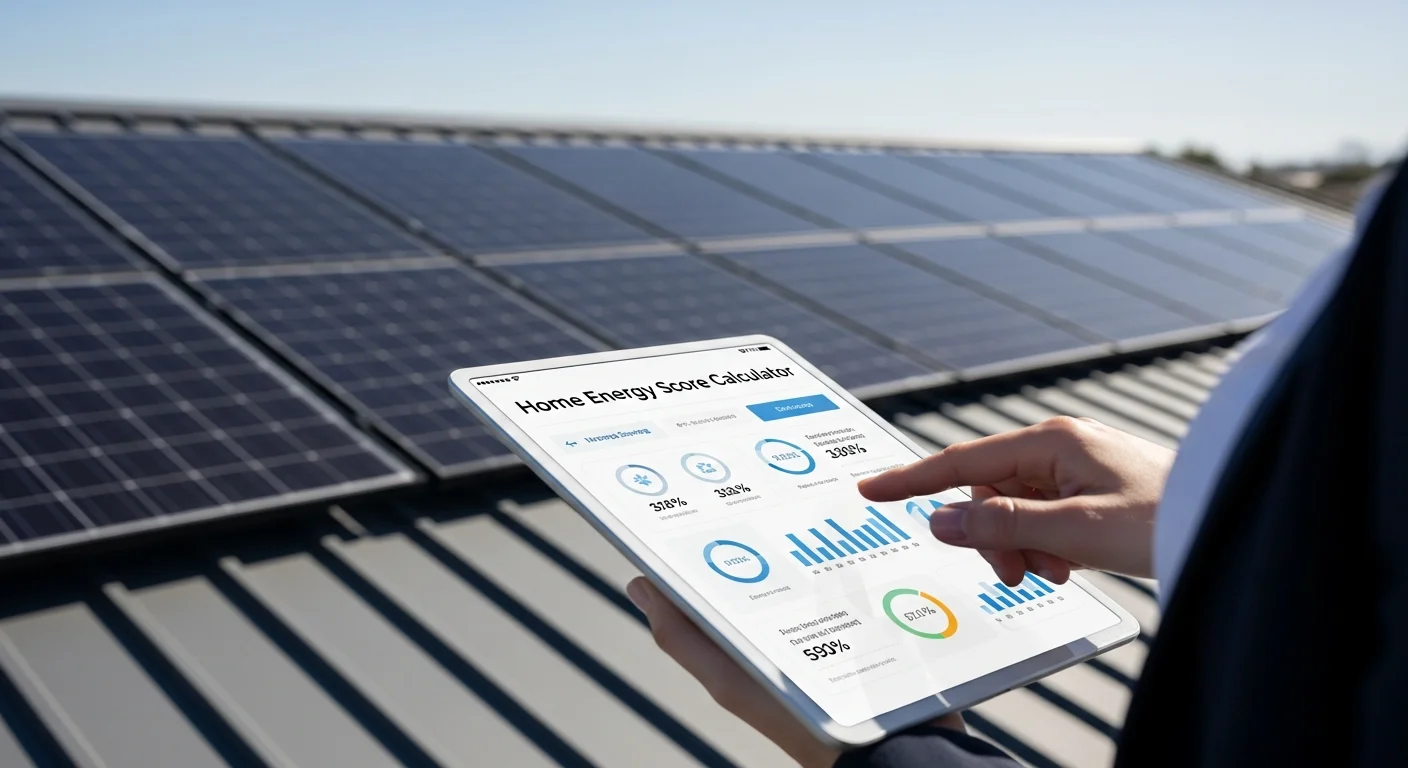
The relationship between renewable energy and home valuation has never been clearer. Modern buyers look for properties that demonstrate low operational costs and high environmental responsibility. By utilizing tools like the Home Energy Score Calculator, residents can visualize exactly how these improvements translate into a numerical score recognized by real estate professionals and energy auditors alike.
Understanding Your Home Energy Score in 2026
Home Energy Score Calculator
Buy NowThe Role of the Home Energy Rating System
According to the U.S. Department of Energy, the Home Energy Score provides a standard assessment of a home's energy assets. In 2026, this score is essential for benchmarking. It allows homeowners to understand their energy use relative to similar properties, providing a clear roadmap for improvements that offer the highest impact.
How Solar Panels Boost Your Rating
Integrating solar power directly reduces the amount of energy required from the local utility grid. This reduction in "grid dependence" is a primary factor in increasing your efficiency score. Higher scores often correlate with higher resale values, as documented in various studies on the benefits of high-efficiency solar panels in the California real estate market.
Want to see your current efficiency rating?
Calculate Your Score Now →Technical Criteria for Selecting good solar panels
Efficiency and Temperature Coefficient
Not all hardware is created equal. In the context of Spring 2026 technology, efficiency ratings have climbed toward 23% for premium models. Furthermore, the temperature coefficient is vital for Orange County residents; this metric determines how well panels perform during the hot California summers. Lower coefficients indicate better performance under high heat.
Warranty and Degradation Rates
A key indicator of good solar panels is the manufacturer's performance guarantee. Industry leaders in 2026 now offer 25 to 30-year warranties that ensure at least 90% of the original power output remains at the end of the term. This longevity is crucial for long-term ROI calculations and peace of mind.
Top Rated Solar Panels for Residential Use
The Shift to N-Type Cell Technology
Research from the National Renewable Energy Laboratory (NREL) shows that N-type cells are replacing older P-type technology due to their immunity to light-induced degradation. This innovation ensures that your top rated solar panels for residential use stay effective for decades.
Premium Brand Performance
Brands like Maxeon, REC, and Qcells continue to dominate the 2026 market. These manufacturers focus on aesthetics and high power density, meaning you need fewer panels to achieve the same energy output. This is particularly beneficial for homes with limited roof space or complex architectural designs.
Comparing Monocrystalline vs Polycrystalline Solar Panels 2026
When deciding on a system, understanding the monocrystalline vs polycrystalline solar panels 2026 landscape is vital. While polycrystalline was once a popular budget option, monocrystalline has become the standard for modern residential efficiency.
| Feature | Monocrystalline (2026) | Polycrystalline (2026) |
|---|---|---|
| Efficiency | 20% - 24% | 15% - 17% |
| Space Required | Low | High |
| Heat Tolerance | Excellent | Moderate |
Explore local savings and rebates in Orange County.
View Savings Opportunities →Solar Panel ROI Calculator and Financial Benefits
Federal Tax Credit Status
The Residential Clean Energy Credit is a vital tool for reducing upfront solar panel installation costs 2026. As noted by the Solar Energy Industries Association (SEIA), this credit allows you to deduct a significant percentage of your system cost from your federal taxes, accelerating the payback period.
Projected Long-Term Savings
By utilizing a solar panel ROI calculator, homeowners can estimate their break-even point. Most modern systems in high-sunlight regions like Southern California pay for themselves within 6 to 9 years, while providing free electricity for the remaining 20+ years of their lifespan.
Preparing Your Orange County Home for Installation
Roof Health and Assessment
Before mounting hardware, ensure your roof is in optimal condition. Experts recommend that if your roof requires replacement within the next 5 years, you should perform that work concurrently with the solar installation to avoid the cost of removing and re-installing panels later.
Local Permitting and Zoning
Orange County has streamlined many solar permitting processes, but working with an expert ensures compliance with Title 24 energy standards. Navigating these regulations correctly is essential for maintaining your maximizing home energy efficiency with solar initiatives.
Ready to upgrade your home's energy profile?
Get Expert Guidance →Frequently Asked Questions
How do solar panels affect my Home Energy Score?
Solar panels directly improve your score by reducing the amount of energy your home needs to pull from the utility grid. A high-efficiency system can jump your score by several points, making your property more attractive to future buyers who prioritize low utility costs.
What is the average cost of solar installation in 2026?
While prices vary by system size, the average residential installation in 2026 typically ranges between $15,000 and $25,000 before federal tax credits. Higher efficiency panels have a higher upfront cost but provide significantly better long-term value through increased production.
Are high-efficiency panels worth the extra cost?
Yes, especially if you have limited roof space. High-efficiency panels generate more power per square foot and typically come with better warranties and slower degradation rates, leading to more total energy produced over the life of the system.
How long do modern solar panels last?
Modern solar panels are designed to last 25 to 40 years. Most premium manufacturers in 2026 guarantee that the panels will still produce at least 85-90% of their original rated power after 25 years of service.
Can I get a home energy score audit in Orange County?
Yes, certified assessors in Orange County provide detailed energy audits that include a Home Energy Score. These audits are the best way to identify specific areas where your home is losing energy and where solar would be most beneficial.
In conclusion, selecting good solar panels is a strategic investment that pays dividends in both monthly savings and long-term property value. By focusing on high-efficiency technology and professional installation, Orange County homeowners can effectively future-proof their homes against rising energy costs.
Whether you are just beginning your research or are ready to install, understanding your baseline efficiency is paramount. We encourage you to use our specialized tools to measure your progress. Taking action today ensures you stay ahead of the curve in the evolving Spring 2026 energy market.
About the Author

Written by William Corcoran, Orange County Home Savings Expert
William Corcoran has helped Orange County families save money on their homes for over 15 years. Specializing in property tax reduction and smart refinancing, he offers expert guidance you can trust. www.energybot.com www.energystar.gov
Related Articles


Ready to Find Your Savings?
Get a free personalized report showing all rebates and incentives your home qualifies for.
Get My Free Report