Sustainable Yard Transformations: Navigating Turf Rebates and Water-Saving Designs in 2026

Key Takeaways
- California residents can access significant rebates for replacing high-water lawns with sustainable alternatives in 2026
- Professional calculators help homeowners estimate financial returns before starting a landscaping project
- Native plants and permeable surfaces are the leading trends for Winter 2026 yard renovations
- Sustainable landscaping reduces monthly utility costs while increasing property value in drought-prone regions
As we move through Winter 2026, California homeowners are facing a shift in how they view residential outdoor spaces. The traditional emerald-green lawn, once a symbol of suburban perfection, is rapidly being traded for vibrant, ecologically responsible alternatives. A professional lawn grass replacement project stands as one of the most effective ways to lower your environmental footprint while capturing substantial financial rewards.
Transitioning to sustainable landscaping is no longer just about survival in a dry climate; it is about high-end design and long-term investment. With water rates continuing to climb, the move toward water-wise yards is a strategic financial decision that pays dividends through lower monthly bills and improved curb appeal. Our 2026 guide breaks down everything you need to know about navigating the latest rebate programs.
Financial Incentives for Drought-Tolerant Landscaping
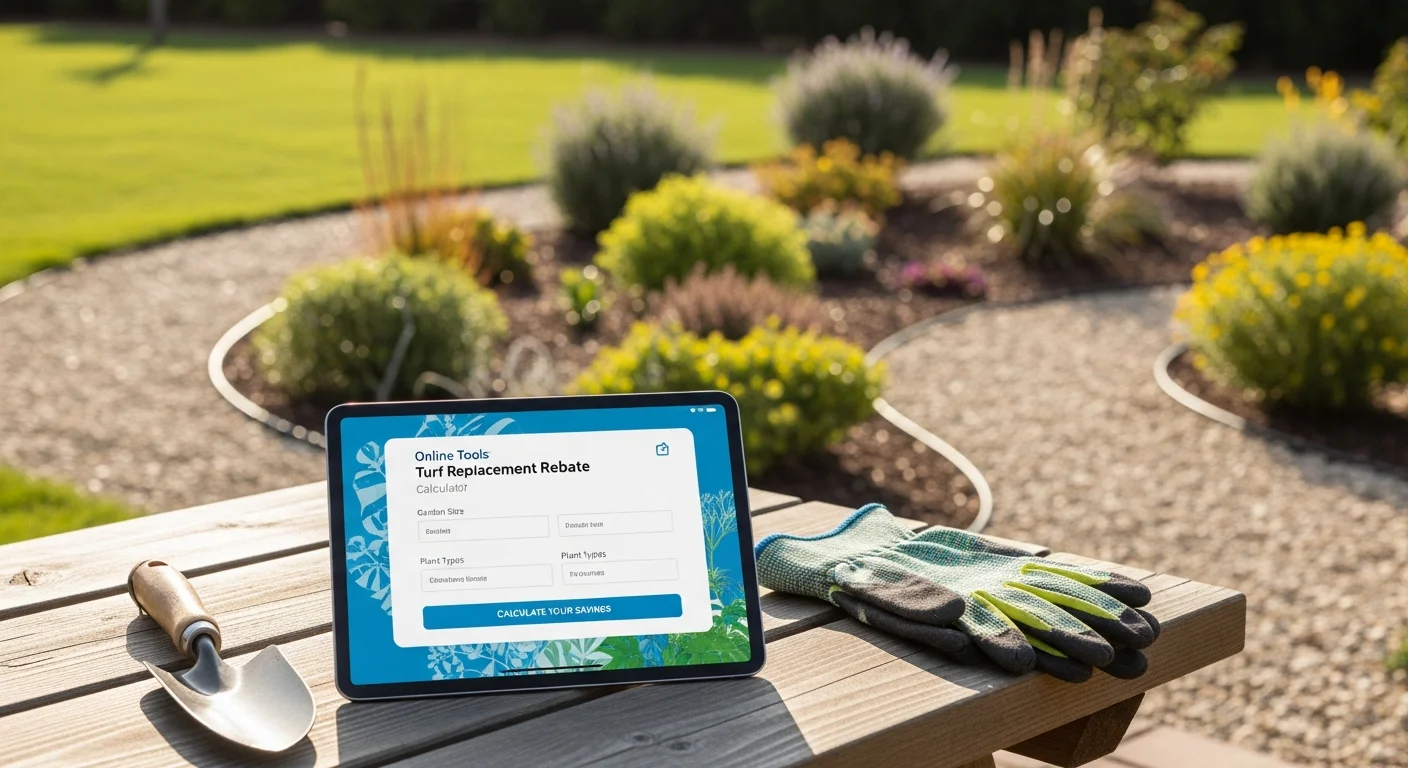
Turf Replacement Rebate Calculator
Buy NowState and Local Rebate Programs
In 2026, California remains at the forefront of conservation incentives. Agencies like the Metropolitan Water District of Southern California continue to offer aggressive rebate amounts to encourage homeowners to ditch thirsty turf. These programs are designed to offset the initial installation costs of sustainable yards.
Eligibility and Pre-Approval
Securing your rebate requires careful adherence to local guidelines. According to the California Department of Water Resources, most programs require pre-approval and a site inspection before any existing grass is removed. Skipping these steps can disqualify you from receiving thousands of dollars in funding.
Want to see how much your yard is worth in rebates?
Calculate Your Rebate Now →Understanding the Process of Lawn Grass Replacement
Soil Preparation and Turf Removal
The foundation of a successful lawn grass replacement is the complete removal of the root system of your existing lawn. Many experts recommend sheet mulching or sod cutting to ensure that invasive grass species do not return to choke out your new native plants. Professional services ensure that the project meets all local water district requirements for rebate eligibility.
Irrigation Retrofitting
Once the grass is gone, your old overhead sprayers must be capped or converted to drip irrigation. Drip systems deliver water directly to the plant's root zone, significantly reducing evaporation. This transition is often a core requirement for modern lawn grass replacement incentives.
Top 2026 Trends in Water-Saving Landscaping Ideas
Pollinator-Friendly Rock Gardens
Homeowners in 2026 are prioritizing biodiversity. By combining decorative gravel with flowering succulents and sage, you can create a yard that is both stunning and supportive of local bee and butterfly populations. This aesthetic aligns perfectly with the EPA WaterSense recommendations for efficient outdoor design.
Modern Hardscaping and Permeable Pavers
Hardscaping is no longer just about concrete slabs. The 2026 trend focuses on permeable pavers that allow rainwater to soak back into the local aquifer. This design approach prevents runoff and creates functional outdoor living spaces that require zero irrigation.
Discover the latest 2026 landscape designs that qualify for funding.
Get Your Free Estimate →Calculating Landscape Rebate Savings for Your Home
Using Our Turf Replacement Calculator
Predicting the ROI of your renovation shouldn't be guesswork. Our Turf Replacement Rebate Calculator allows you to input your square footage and location to see estimated returns instantly. Proper soil preparation is the most overlooked step in a successful lawn grass replacement, as it determines the health of the new drought-tolerant plants.
Long-Term Water Bill Reductions
Beyond the initial check from the water district, the real savings appear on your utility statement. Most homeowners report a 50% to 70% reduction in outdoor water use after transitioning to a sustainable landscape. Research from the University of California Agriculture and Natural Resources confirms that these savings are sustainable over the life of the garden.
Native California Garden Design: Beauty Without the Water Bill
Selecting the Right Species
Native plants like California Lilac, Manzanita, and Matilija Poppies are naturally adapted to our seasonal rain cycles. These plants require minimal intervention once established, making them the gold standard for sustainable design in Winter 2026. The California Native Plant Society provides excellent databases for choosing species specific to your microclimate.
Seasonal Maintenance Tips
While drought-tolerant gardens are low-maintenance, they are not "no-maintenance." Occasional pruning and seasonal mulching help retain moisture and keep the garden looking polished. Mulch specifically helps suppress weeds and protects the root systems from temperature extremes during our warmer winter days.
Ready to swap your grass for a designer native garden?
Start Your Saving Journey →Comparing the Cost of Artificial Turf vs Natural Grass
| Feature | Traditional Grass | Sustainable Xeriscaping |
|---|---|---|
| Weekly Water Needs | High (1-2 inches) | Low to None |
| Rebate Eligibility | None | Up to $3 per sq. ft. |
| Monthly Upkeep | Mowing/Fertilizing | Seasonal Pruning |
| Eco-Impact | Carbon Positive | Biodiversity Support |
Frequently Asked Questions
How much can I actually save through rebates in 2026?
Rebate amounts vary by water district but typically range from $2.00 to $3.00 per square foot of grass removed. For a standard 1,500 square foot lawn, this can mean a direct rebate of $3,000 to $4,500, significantly covering the project cost.
Do I need to hire a professional to qualify for a rebate?
While some districts allow for DIY installation, professional documentation and soil preparation often lead to faster approval. Using a licensed contractor ensures that your plant choices and irrigation conversions meet the strict 2026 conservation standards.
Can I use artificial turf to get the rebate?
In many regions, artificial turf no longer qualifies for the highest rebate tiers because it does not support biodiversity. Most programs now prioritize "living landscapes" that use native plants and permeable surfaces to better serve the local environment.
What are the best drought-tolerant plants for 2026?
Native perennials like Sage, Lavender, and Buckwheat are top choices for 2026 due to their resilience and aesthetic appeal. These species are specifically selected for their ability to thrive in Southern California's unique soil types with minimal irrigation.
How long does the approval process take?
Typically, the pre-approval process takes between 2 to 4 weeks depending on the volume of applications. Once your project is approved, you usually have 60 to 120 days to complete the installation and submit your final receipts for the rebate check.
In conclusion, the decision to modernize your outdoor space in 2026 is a blend of financial pragmatism and ecological stewardship. By utilizing the available resources and rebate programs, you can transition away from high-maintenance turf and toward a landscape that thrives in our natural climate. The combination of upfront cash incentives and ongoing utility savings makes this one of the smartest home improvements available today.
Starting your lawn grass replacement journey today ensures you capture the maximum rebates available in 2026 while instantly increasing your home’s curb appeal and market value. Don't wait for the next drought cycle to make the change—transform your yard into a sustainable oasis this season.
About the Author

Written by William Corcoran, Orange County Home Savings Expert
William Corcoran has helped Orange County families save money on their homes for over 15 years. Specializing in property tax reduction and smart refinancing, he offers expert guidance you can trust. www.energybot.com www.energystar.gov
Related Articles
Ready to Find Your Savings?
Get a free personalized report showing all rebates and incentives your home qualifies for.
Get My Free Report