Granny Flat Construction Costs: 2026 Price Guide for Backyard Homes
Key Takeaways
- Average construction costs for secondary suites in 2026 range from two hundred to four hundred dollars per square foot.
- Utility connections and permit fees represent the most frequent unexpected budget overrides.
- Stick-built units offer more customization while prefab options provide faster project completion times.
- Property value increases often offset the initial investment within five to seven years.
The landscape of residential expansion has shifted dramatically in early 2026. Homeowners are increasingly looking toward their own backyards to solve housing needs, whether for aging parents or rental income. Understanding the total investment for an ADU is the first step toward a successful build in this competitive market.
As labor rates and material supply chains stabilize in the Winter 2026 season, precision in budgeting has become more attainable. However, regional variations in Orange County mean that a one-size-fits-all estimate rarely works. You must account for site prep, design fees, and the specific finish quality you desire.
Want an instant estimate for your backyard project?
Use Our Cost Calculator →Building a Secondary Suite: Base Construction Costs
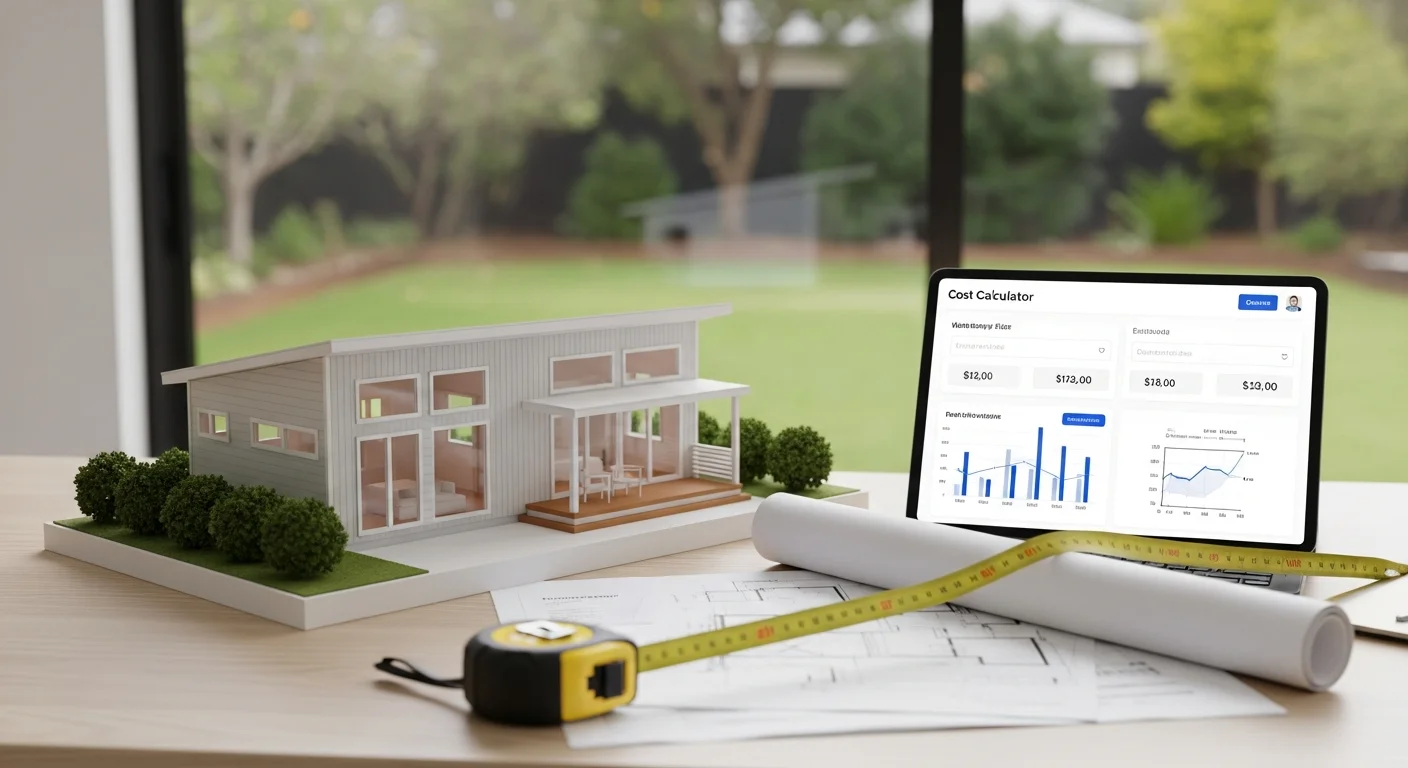
ADU / Granny Flat Cost Calculator
Buy NowHard Costs vs. Soft Costs
Hard costs include the physical materials and labor required for the structure. According to the California Department of Housing and Community Development, these typically make up 70% of your total budget. Soft costs involve architectural drawings, engineering reports, and environmental impact assessments.
Material Trends in Winter 2026
Sustainability is driving material choices this year. Many homeowners are opting for recycled steel framing and high-efficiency insulation. While initial costs might be 10% higher, the long-term energy savings significantly lower the total cost of ownership.
Navigating ADU Regulations and Zoning in 2026
Local Ordinance Updates
State laws have streamlined the approval process for an ADU, but local setbacks and height restrictions still apply. It is vital to check with your city planning department early in the design phase to avoid costly revisions. Many municipalities now offer "pre-approved" plans to expedite the process.
Impact and Permit Fees
In 2026, many cities have reduced impact fees for smaller units to encourage density. However, school district fees and utility connection charges can still add several thousand dollars to your bottom line. Always request a fee schedule from your local jurisdiction.
See how much you can save on your construction permits.
Start Your Free Calculation →Prefab vs Stick-Built Backyard Homes
The Efficiency of Modular Units
Modular construction has seen a 15% rise in popularity in 2026. These units are built in controlled environments, reducing waste and preventing weather-related delays. For homeowners with tight timelines, this is often the most cost-effective route.
The Customization of Stick-Built
According to Wikipedia's overview of secondary suites, traditional site-built methods allow for better integration with existing architecture. If your main house has unique historical details, stick-building ensures the new structure matches perfectly.
| Method | Average Timeline | Cost Flexibility |
|---|---|---|
| Prefab / Modular | 3-5 Months | Fixed Pricing |
| Stick-Built | 7-10 Months | High Variability |
Hidden Expenses in Granny Flat Development
Utility Trenching and Upgrades
Many homeowners forget that a new ADU requires its own plumbing and electrical connections. If your existing electrical panel is outdated, you may need a full service upgrade, which can cost between $3,000 and $6,000 in the current market.
Landscaping and Post-Construction Finishing
Construction is messy. Budgeting for the restoration of your backyard, including new irrigation and hardscaping, is essential. These finishing touches often account for 5% of the total project cost but are vital for curb appeal.
Smart Financing for Your Property Addition
HELOCs and Home Equity Loans
According to Freddie Mac's financing guidelines, leveraging existing home equity remains the most popular way to fund an ADU. This allows you to secure lower interest rates compared to personal loans.
Renovation Loans and Grants
Look for state-sponsored grants in 2026 designed to promote affordable housing. Some programs offer up to $40,000 in forgivable loans if you agree to rent the unit to low-income tenants for a specified period.
Maximizing the ROI of Your New Backyard Cottage
Rental Income Potential
In high-demand areas like Orange County, a well-built secondary unit can fetch significant monthly rent. This income stream often covers the mortgage increase and generates surplus cash flow within the first few years.
Property Appreciation Factors
Adding square footage almost always increases property value. Research from the National Association of Realtors suggests that homes with secondary suites sell faster and at higher price points than comparable single-family homes.
Ready to build your financial future in your own backyard?
Calculate Your Potential ROI →Frequently Asked Questions
Does an ADU increase my property taxes?
Yes, adding a secondary structure will trigger a blended assessment. Your primary home's tax base usually stays the same, but the value of the new addition will be added to your total tax bill.
How long does the construction process take?
Most projects in 2026 take between 6 to 12 months from design to final inspection. This includes 2-3 months for permitting and 4-9 months for actual site work and construction.
Can I convert my existing garage to save money?
Garage conversions are often the most affordable option because the foundation and shell already exist. However, you must ensure the existing slab is up to code for residential living spaces.
Are there size limits for backyard homes in 2026?
While California state law allows units up to 1,200 square feet, local ordinances may limit size based on your lot's total area. Most urban lots are capped at 800-1,000 square feet.
Do I need to provide additional parking?
In many jurisdictions, if your property is within a half-mile of public transit, you are not required to provide additional off-street parking for the new unit. This significantly reduces site preparation costs.
The Future of Backyard Living
Building an ADU is a strategic investment that provides both immediate utility and long-term financial security. Whether you are looking to house a family member or generate rental income, the 2026 housing market favors those who maximize their existing property potential.
By utilizing modern construction techniques and smart financing strategies, you can navigate the complexities of property development with confidence. Remember to start with a clear budget and professional guidance to ensure your project stays on track and delivers the value you expect.
About the Author

Written by William Corcoran, Orange County Home Savings Expert
William Corcoran has helped Orange County families save money on their homes for over 15 years. Specializing in property tax reduction and smart refinancing, he offers expert guidance you can trust. www.energybot.com www.energystar.gov
Related Articles
Ready to Find Your Savings?
Get a free personalized report showing all rebates and incentives your home qualifies for.
Get My Free Report