Home EV Charging Station Costs 2026: A Guide to Installation and California Rebates
Key Takeaways
- Level 2 charging stations are the standard for residential efficiency in 2026
- California residents can access significant rebates to offset installation expenses
- Professional installation ensures compliance with current local building codes and safety
- Electrical panel capacity is the primary variable in determining total project pricing
As we move into Spring 2026, more homeowners than ever are making the switch to electric mobility. Installing a dedicated EV charger at home is no longer just a luxury; it has become a fundamental upgrade for the modern, sustainable household. Understanding the financial landscape of this investment is crucial for maximizing your savings.
Navigating the nuances of hardware selection, labor costs, and local permits can feel overwhelming. However, with the right information, you can leverage current incentives to significantly reduce your out-of-pocket expenses. This guide breaks down everything you need to know about residential charging in 2026.
Understanding Home EV Charging Station Costs 2026
EV Charger Installation Calculator
Buy NowHardware and Equipment Pricing
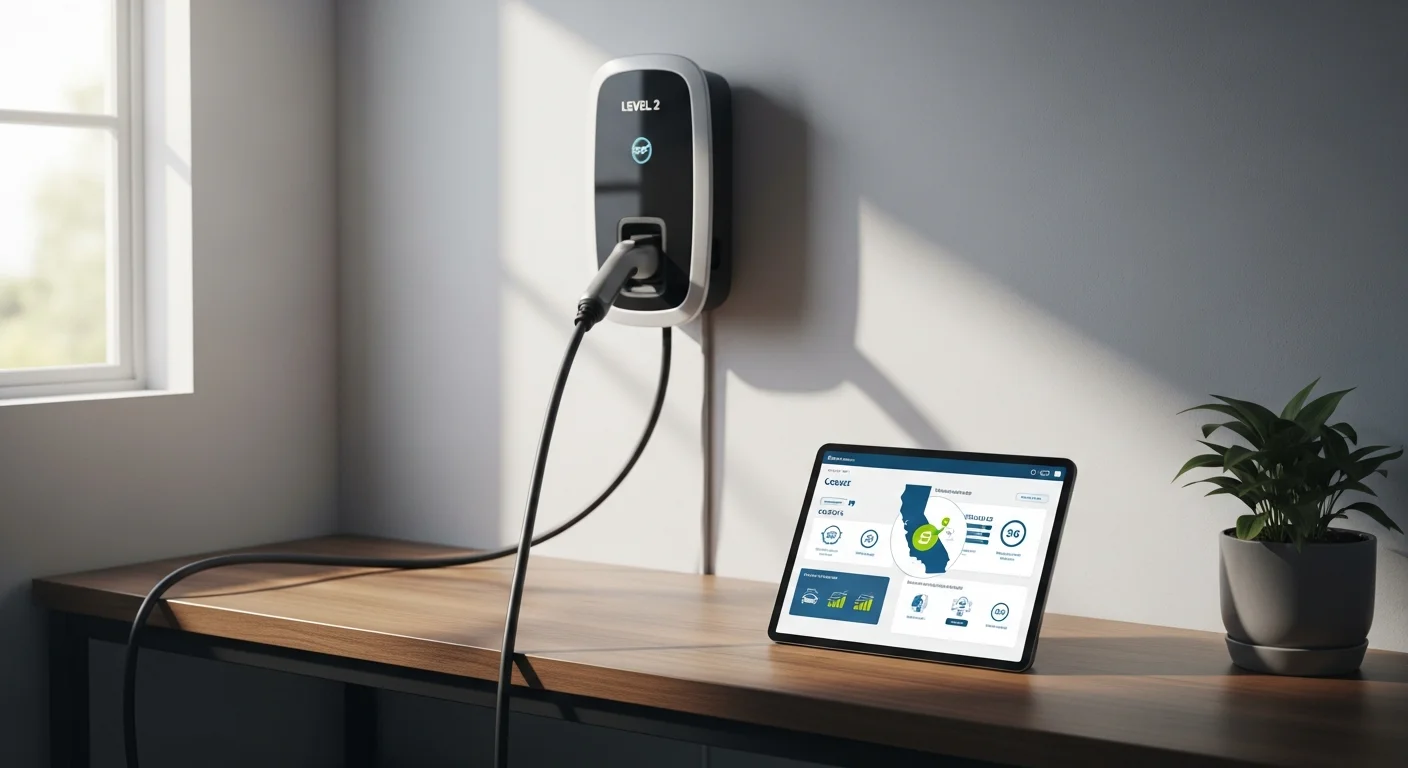
The initial expense for a high-quality Level 2 station typically ranges from $400 to $900 in 2026. Premium models with smart-grid integration and weatherproofing for outdoor use sit at the higher end of this bracket. Selecting the right hardware involves balancing charging speed with your vehicle's specific intake capacity.
Labor and Permitting Expenses
Professional labor remains a significant portion of the total price. In Orange County, permit fees and licensed electrician rates can add $500 to $1,500 to the project. According to the U.S. Department of Energy, using certified installers is critical for maintaining equipment warranties and home insurance validity.
Want an instant estimate for your home installation?
Calculate Your Savings Now →Factors Influencing the Price of Your EV charger
Electrical Panel Capacity
The most common hidden cost is the cost to upgrade electrical panel for EV preparedness. If your home's main panel is rated at 100 amps, you may need an upgrade to 200 amps to support a Level 2 unit. This modification ensures your home can handle the increased load without tripping breakers.
Wiring Distance and Trenching
The distance between your electrical panel and the desired mounting location impacts the price of copper wiring and conduit. For detached garages, trenching through concrete or landscaping can significantly increase complexity. Selecting a location near the panel is the most effective way to lower installation bids.
Level 2 Charger vs Level 1: Speed and Efficiency
While Level 1 charging uses a standard wall outlet, it is often too slow for the higher-capacity batteries found in 2026 vehicle models. A Level 2 charger vs Level 1 comparison shows that Level 2 can charge a vehicle up to 7 times faster. This efficiency is vital for drivers who need a full charge overnight.
| Feature | Level 1 (Standard) | Level 2 (Fast) |
|---|---|---|
| Voltage Requirements | 120V (Standard) | 240V (Heavy Duty) |
| Miles Per Hour Charge | 3 - 5 miles | 25 - 60 miles |
| Best Use Case | Emergency/Hybrid | Daily Full-EV Use |
Discover the best home charging stations for Spring 2026.
View Top-Rated Chargers →Navigating EV Charging Rebates California 2026
State and Utility Incentives
California continues to lead the nation in sustainable energy incentives. According to the California Air Resources Board, various grants and utility-specific programs like the SCE Charge Ready Home program offer hundreds of dollars in rebates for residents who install networked smart chargers.
Federal Tax Credit for EV Chargers 2026
The federal tax credit for EV chargers 2026 remains a cornerstone of affordability, offering a credit for up to 30% of hardware and installation costs for eligible households. Ensure you keep all receipts and professional invoices to claim this benefit during the next tax season.
Professional EV Charger Installation Guide and Requirements
Selecting the right EV charger model is only half the battle. A professional installation involves a load calculation of your home's current energy usage to prevent overloading. According to Wikipedia's guide on charging infrastructure, standardized plugs like the NACS or J1772 are essential for long-term compatibility.
Permit and Inspection Process
Most municipalities in Orange County require an electrical permit and a follow-up inspection. This ensures the circuit is grounded correctly and the conduit is secured properly. Working with an expert who handles the paperwork for you can save weeks of administrative delays.
Smart Features and Connectivity
Modern smart home EV charging solutions allow you to schedule charging during off-peak hours when electricity rates are lowest. This "time-of-use" optimization can save hundreds of dollars annually on your utility bills, as noted by the Environmental Protection Agency.
Ready to take advantage of Orange County EV charger incentives?
Start Your Free Quote →
Frequently Asked Questions
How much does a Level 2 charger installation cost in 2026?
The average total cost for hardware and professional installation in 2026 ranges between $1,200 and $2,500. This varies based on your home's electrical capacity and the distance between the panel and the charger. Rebates can often cover 30-50% of this total.
Can I install an EV charging station myself?
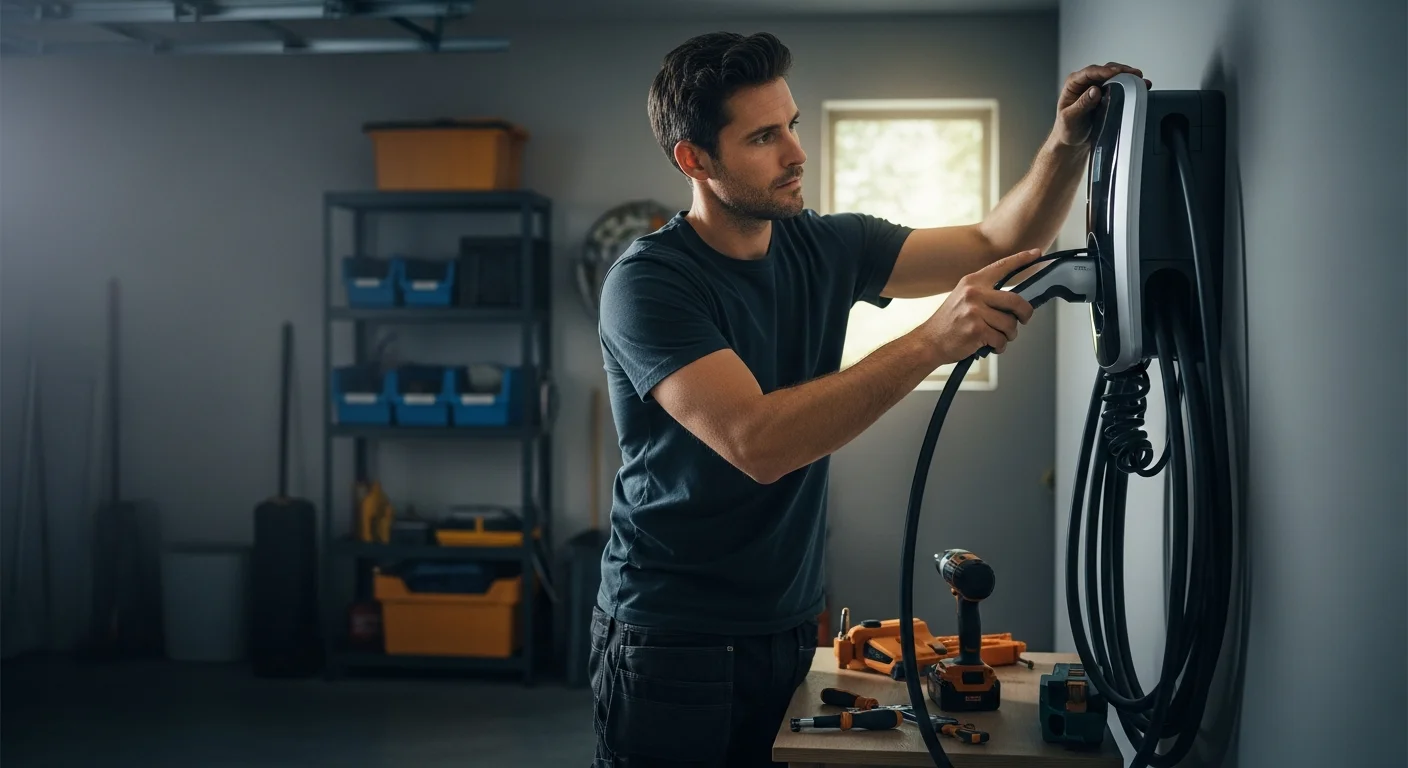
It is highly discouraged to perform a DIY installation due to the high voltage (240V) and complex local building codes. Most incentive programs and equipment warranties require proof of professional installation by a licensed electrician.
Are there specific rebates for Orange County residents?
Yes, residents in Orange County can access specific utility rebates through Southern California Edison (SCE) and potentially local municipal utility districts. These programs often incentivize the installation of "smart" chargers that can communicate with the grid.
What is the difference between NACS and J1772 plugs?
The NACS (North American Charging Standard) is the connector style popularized by Tesla, while J1772 was the previous universal standard. By Spring 2026, most new home chargers are available with NACS or dual-plug configurations to support all major vehicle brands.
Does an EV charger increase home value?
Real estate data in 2026 suggests that homes with pre-installed Level 2 charging stations are increasingly attractive to buyers. This infrastructure is seen as a "future-proof" feature that adds tangible value and convenience for the modern homeowner.
Conclusion
Transitioning to a home-based charging solution is a significant step toward energy independence and long-term financial savings. By understanding the home EV charging station costs 2026 and actively seeking out the latest California rebates, you can turn a necessary upgrade into a savvy investment. The combination of federal tax credits and local utility incentives makes Spring 2026 an ideal time to complete your installation.
As technology evolves, investing in a high-quality EV charger is more than just about speed; it's about smart energy management. Whether you're looking for a simple plug-and-play unit or a fully integrated smart home system, the team at Orange County Home Savings is here to help you calculate your potential ROI. Don't leave money on the table—use our professional tools to find every available rebate today.
About the Author

Written by William Corcoran, Orange County Home Savings Expert
William Corcoran has helped Orange County families save money on their homes for over 15 years. Specializing in property tax reduction and smart refinancing, he offers expert guidance you can trust. www.energybot.com www.energystar.gov
Related Articles
Ready to Find Your Savings?
Get a free personalized report showing all rebates and incentives your home qualifies for.
Get My Free Report