High-Efficiency Endless Hot Water Solutions: A 2026 Guide to Home Energy Savings
Key Takeaways
- Modern high-efficiency units provide an unlimited supply of hot water for large households
- California homeowners can access significant rebates for heat pump water heater installations in 2026
- Switching to energy-efficient models can reduce monthly utility costs by up to forty percent
- The latest Spring 2026 models offer smarter diagnostic features and longer life expectancies
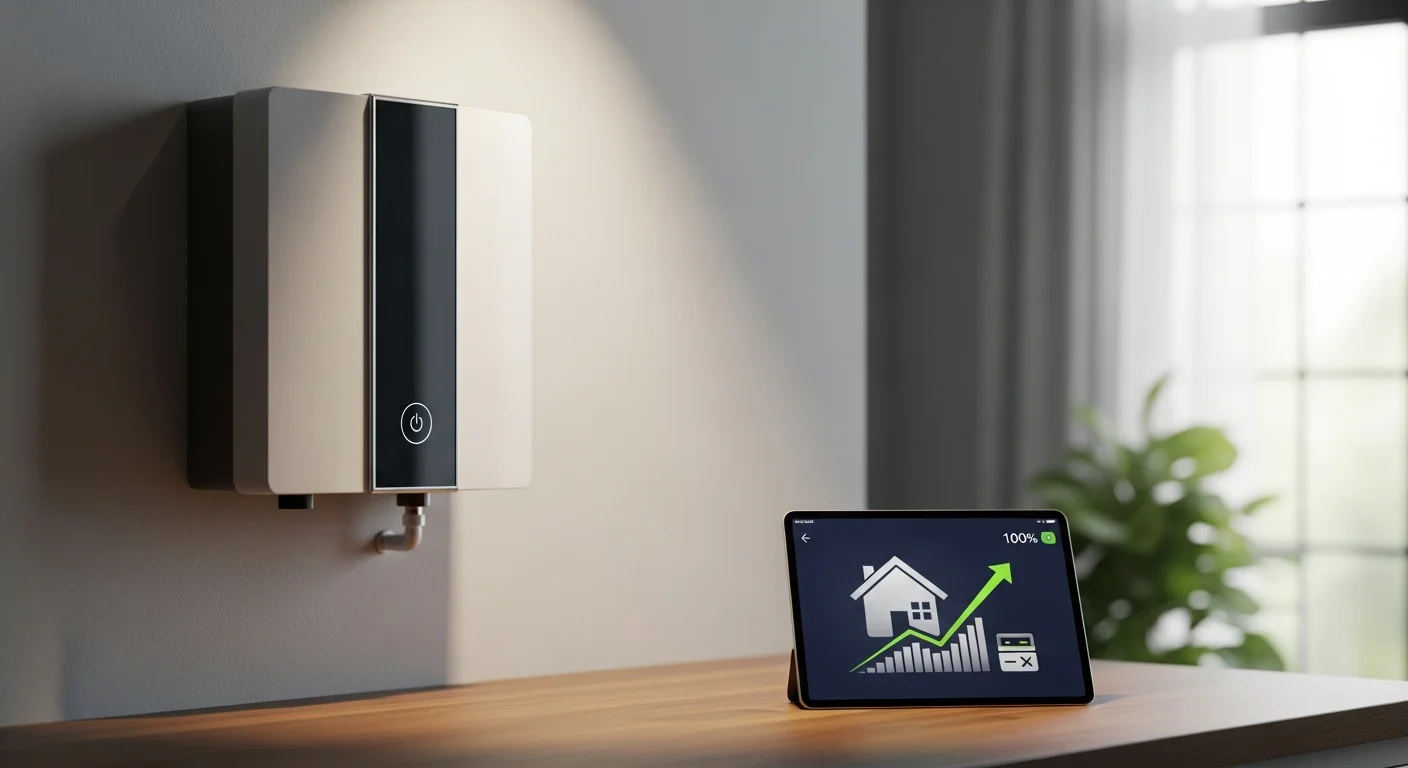
As we move into Spring 2026, homeowners in Orange County are increasingly prioritizing energy independence and long-term cost reduction. Upgrading to a continuous water heater is one of the smartest investments you can make this year to enhance your home's value and comfort. Traditional tank systems often struggle to keep up with the demands of a busy morning, but new technology ensures you never run out of hot water again.
The landscape of home appliances has shifted dramatically over the last few years. With the introduction of stricter environmental regulations and more generous federal incentives, the transition toward high-efficiency models has become both affordable and practical. Understanding your options is the first step toward a more sustainable home.
Energy Efficient Water Heating Systems for 2026
Water Heater Cost Calculator
Buy NowThe Shift Toward Electrification
In 2026, the trend toward full-home electrification is stronger than ever. Many homeowners are replacing aging gas lines with high-voltage electric circuits to support cleaner, more efficient appliances. According to the U.S. Department of Energy, water heating accounts for about 18% of a home's energy use, making it the second-largest energy expense.
Smart Integration and AI Monitoring
The latest models hitting the market in Spring 2026 feature integrated Wi-Fi and AI-driven monitoring. These systems can predict peak usage times and adjust power consumption accordingly. This level of control allows for unprecedented precision in managing your home's thermal energy storage and usage patterns.
Advantages of a Continuous Water Heater for Modern Homes
Endless Supply on Demand
The primary benefit of a continuous water heater is the ability to provide hot water whenever it is needed, without the limitations of a storage tank. This is achieved by heating the water instantly as it flows through the unit's heat exchanger. This ensures that the third person in the shower has the same temperature experience as the first.
Space-Saving Design
For homeowners in Orange County where real estate is at a premium, the compact footprint of these units is a game-changer. They are typically mounted on a wall, freeing up valuable floor space in garages or utility closets that would otherwise be occupied by a massive 50-gallon tank.
Want to know exactly how much you can save with a new unit?
Calculate Your Rebates Now →Heat Pump Water Heater Rebates California: What You Need to Know
State-Level Incentives in 2026
California remains a leader in green energy incentives. In 2026, programs like TECH Clean California and local utility rebates offer thousands of dollars to homeowners who switch to heat pump technology. According to the California Energy Commission, these incentives are designed to reach the state's ambitious carbon neutrality goals.
Federal Tax Credits (25C)
Beyond state rebates, the federal government continues to provide tax credits for high-efficiency water heaters under the Energy Efficient Home Improvement Credit. Homeowners can often claim up to 30% of the project cost, capped at specific amounts for different technology types. This significantly lowers the barrier to entry for premium systems.
Electric vs Gas Water Heaters Cost Comparison
Choosing between electric and gas models depends largely on your existing infrastructure. While a gas-powered continuous water heater might offer lower operational costs in some regions, electric heat pump models are currently seeing the highest rebate levels. Many modern homes are finding that the total cost of ownership is lower with electric heat pump units due to their extreme efficiency.
| Factor | Traditional Tank | Continuous/Tankless |
|---|---|---|
| Lifespan | 8-12 Years | 20+ Years |
| Monthly Bill | Higher (Standby Loss) | Lower (On-Demand) |
| Hot Water Supply | Limited by Tank Size | Unlimited |
See how much you can save today!
Open Savings Calculator →Best Water Heaters for Large Families: Capacity and Flow Rates
Measuring Gallons Per Minute (GPM)
When selecting a unit for a large household, GPM is the most critical metric. This measures how many fixtures (showers, sinks, appliances) the unit can support simultaneously. For a family of five, you generally want a system capable of at least 7-9 GPM to ensure no one experiences a sudden drop in temperature.
Cascading Multiple Units
In very large homes, professionals often recommend "cascading" or linking two units together. This allows for massive flow rates while still maintaining the efficiency of an on-demand system. This approach is highly effective for homes with high-flow luxury showerheads or multiple master suites.
Saving Money on Utility Bills 2026: The ROI of Upgrading
Eliminating Standby Heat Loss
Traditional heaters waste energy keeping 50 gallons of water hot 24/7, even when you are sleeping or at work. Modern units eliminate this "standby loss." According to research cited on Wikipedia, this efficiency can lead to energy savings of up to 34% for homes that use moderate amounts of hot water.
Long-Term Maintenance and Durability
While the initial investment in a high-efficiency system is higher, the ROI is realized through both energy savings and longevity. These units are designed to last twice as long as traditional tanks, often reaching 20 or even 25 years with proper descaling and maintenance. This reduces the lifecycle cost of the appliance significantly.
Ready to claim your 2026 California energy rebates?
Get Your Quote & Rebate Estimate →Frequently Asked Questions
What is the difference between tankless and continuous water heaters?
In the industry, these terms are often used interchangeably. Both refer to systems that heat water on demand rather than storing it in a tank. Some manufacturers use the term "continuous" to emphasize the unlimited nature of the flow during long periods of use.
Are heat pump water heaters better than tankless units?
It depends on your goals. Heat pump water heaters are often more energy-efficient overall and qualify for the largest rebates, but they still use a storage tank. Tankless units are better for saving space and providing an absolutely unlimited supply of hot water.
How much can I save with California rebates in 2026?
Depending on your location and utility provider, combined state and federal rebates can often cover $2,000 to $5,000 of the total installation cost. Low-income households may qualify for even higher incentives through specific equity programs.
Do these units require special maintenance?
Yes, to keep them running at peak efficiency, especially in areas with hard water, you should flush the heat exchanger once a year. This prevents scale buildup and ensures the unit lasts for its full 20-year rated lifespan.
Will a new water heater increase my home value?
Absolutely. Homebuyers in 2026 are very conscious of utility costs and green features. A high-efficiency water heating system is a significant selling point that can improve your home's appraisal value and marketability.
Investing in a continuous water heater in Spring 2026 is a move that pays dividends in both daily comfort and long-term financial stability. By eliminating the frustration of cold showers and capitalizing on the current wave of energy rebates, you are positioning your home for a more efficient future. Our team at Orange County Home Savings is here to help you navigate these choices and find the perfect fit for your family's needs.
Take the time to assess your current energy usage and explore the financial incentives available right now. With the combination of federal tax credits and California state rebates, there has never been a more opportune moment to modernize your home's infrastructure. Start your journey toward endless hot water today by using our specialized rebate calculator.
About the Author

Written by William Corcoran, Orange County Home Savings Expert
William Corcoran has helped Orange County families save money on their homes for over 15 years. Specializing in property tax reduction and smart refinancing, he offers expert guidance you can trust. www.energybot.com www.energystar.gov
Related Articles

Ready to Find Your Savings?
Get a free personalized report showing all rebates and incentives your home qualifies for.
Get My Free Report