Home Electric Vehicle Charging Costs: A Comprehensive Guide to 2026 Installation and Rebates
Key Takeaways
- Level 2 charging stations are the standard for efficient home energy management in 2026.
- Federal and local rebates can offset up to 30 percent of total installation expenses.
- Professional electrical assessments are critical to ensure your home panel handles new loads.
- Smart charging features allow users to capitalize on off-peak utility rates automatically.
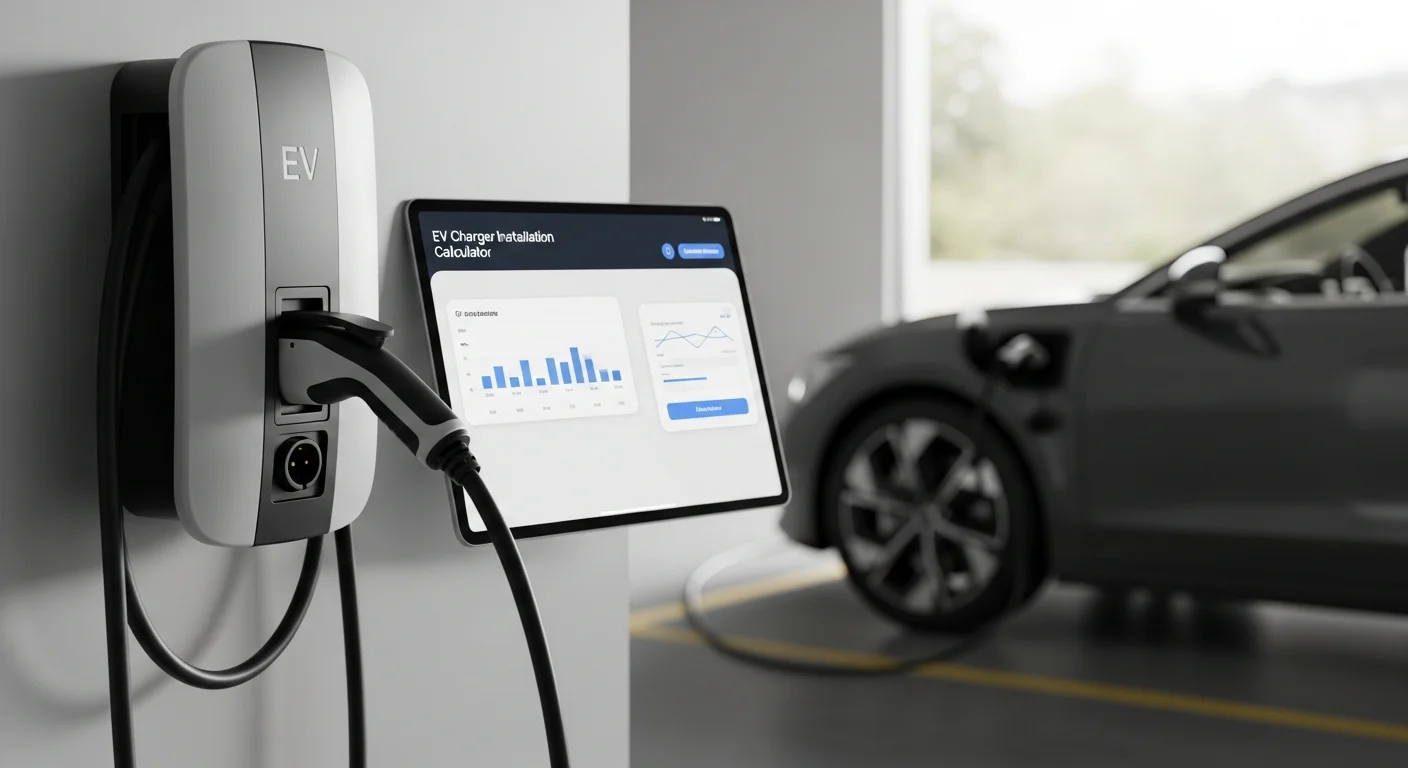
Navigating the transition to electric mobility in Winter 2026 requires more than just picking a car; it involves securing a reliable ev charger for your residence. As more manufacturers move to all-electric lineups, the demand for residential infrastructure has reached an all-time high. Homeowners today are looking for efficiency, safety, and cost-effectiveness when upgrading their garages.
According to the U.S. Department of Energy, over 80% of vehicle charging occurs at home. This shift has led to significant advancements in hardware and local infrastructure support. Understanding the financial landscape, including equipment costs and labor, is the first step toward a successful installation.
Want to know exactly what your installation will cost?
Use Our Cost Calculator Now →Understanding Home Electric Vehicle Charging Costs
EV Charger Installation Calculator
Buy NowLevel 1 vs Level 2 Hardware
Level 1 chargers utilize a standard 120V outlet but are often too slow for modern daily commutes. In 2026, most homeowners opt for Level 2 charging stations, which require a 240V circuit similar to a large appliance. These units significantly reduce charging time, providing a full battery overnight.
Equipment and Labor Components
The total price is split between the charging hardware and the professional labor required for installation. While high-end units with Wi-Fi connectivity and energy monitoring cost more upfront, they often pay for themselves through better energy management. Labor costs vary based on the complexity of the wiring run.
Electrical Panel Requirements
Many older homes in Orange County require a panel upgrade to accommodate the 40-60 amp circuit needed for rapid home charging. As noted by the Environmental Protection Agency, upgrading your home's electrical capacity is a foundational step in modernizing residential energy use.
Maximizing Your EV Charging Station Rebates 2026
Federal Tax Credit Updates
The federal government continues to incentivize green infrastructure. According to current guidelines from the Internal Revenue Service, homeowners can claim a credit for a portion of their hardware and installation costs, provided they meet specific income and geographic criteria.
Utility Incentives in California
Local utilities like Southern California Edison offer specific programs to help residents transition. These often include rebates for purchasing "smart" chargers that communicate with the grid to balance load during peak hours.
The Process of Professional EV Charger Installation
Initial Site Assessment
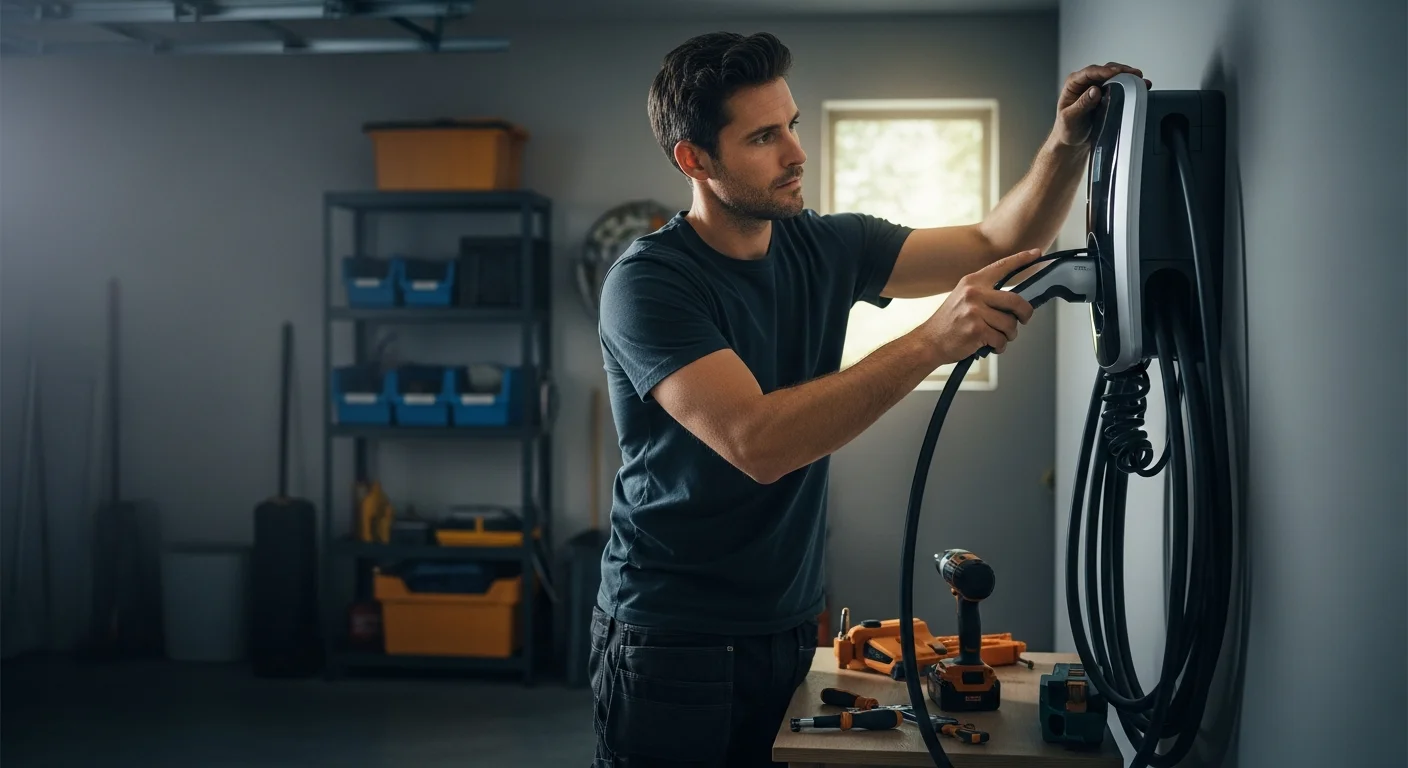
A qualified electrician must evaluate your current load capacity. They will determine the most efficient path for the conduit and check for any necessary structural modifications. This ensures the ev charger operates at peak performance without tripping breakers.
Permitting and Compliance
Local building codes in 2026 remain strict regarding high-voltage additions. Professional installers handle the permit application process, ensuring that your installation meets all municipal safety standards and preserves your home's insurance eligibility.
Ready to start your green energy upgrade?
Get Your Free Installation Estimate →Factors Affecting Your Installation Price
Distance to the Electrical Panel
The further your charging port is from the main panel, the higher the cost of materials and labor. Longer conduit runs and heavy-duty wiring can significantly impact the final quote. Choosing a smart ev charger location is key to staying within budget.
Indoor vs Outdoor Mounting
Outdoor installations require weatherproof housing and specific conduit types to withstand Winter 2026 conditions. While slightly more expensive, this provides flexibility for homes without a dedicated garage space.
| Cost Factor | Impact on Budget |
|---|---|
| Panel Upgrade | High ($1,500 - $3,500) |
| Charger Unit | Moderate ($400 - $900) |
| Conduit Run > 20ft | Moderate ($200 - $600) |
| Permit Fees | Low ($50 - $250) |
Why Use a Home Charging Calculator
Accurate Budgeting
Using a dedicated calculator allows you to input specific variables like home age and panel type. This provides a more realistic expectation than general online estimates, preventing sticker shock during the final consultation.
Comparing Incentive Scenarios
Calculators can instantly show the difference between out-of-pocket costs and net costs after 2026 rebates. This visibility helps homeowners decide between basic hardware and premium smart chargers.
Safety Standards for 2026 Electrical Upgrades
Ground Fault Protection
Modern installations require advanced GFCI protection. This ensures that any moisture or wiring faults automatically shut off power, protecting your vehicle and your home from potential electrical fires.
National Electrical Code Compliance
As highlighted by Wikipedia's documentation on charging standards, adhering to the latest National Electrical Code (NEC) is non-negotiable for safety. Professional installers ensure every wire gauge and breaker size is calculated correctly.
Don't guess your costs. Get an expert breakdown today.
Start Your Saving Calculation →
Frequently Asked Questions
How much does a Level 2 installation cost in 2026?
On average, most homeowners spend between $800 and $2,000 for a standard installation. This includes the charger and labor, but excludes significant electrical panel upgrades if your home is older.
Are federal tax credits still available for chargers?
Yes, the federal government offers a credit for 30% of the cost of hardware and installation, up to $1,000, for eligible residents in designated areas throughout 2026.
Can I install a home charging station myself?
While technically possible, it is highly discouraged. Professional installation ensures safety, compliance with local building codes, and eligibility for manufacturer warranties and government rebates.
How long does the installation process take?
Most residential installations are completed within 4 to 6 hours once the permits are in place. Complex runs or panel upgrades may extend the project to a full day.
What are the benefits of a "smart" charging unit?
Smart units allow you to track energy usage, schedule charging for off-peak hours to save money, and receive software updates over Wi-Fi to improve efficiency over time.
Choosing the Right Path for Your Home
The transition to electric driving is a significant milestone for any household. By taking the time to understand the installation landscape and leveraging available rebates, you can transform your home into a high-speed fueling station while maximizing your ROI. In Winter 2026, the technology is more accessible and efficient than ever before.
Ultimately, your choice of a reliable ev charger is a long-term investment in your property's value and your daily convenience. Using tools like the Orange County Home Savings calculator ensures you make informed decisions backed by expert data and local market insights.
About the Author

Written by William Corcoran, Orange County Home Savings Expert
William Corcoran has helped Orange County families save money on their homes for over 15 years. Specializing in property tax reduction and smart refinancing, he offers expert guidance you can trust. www.energybot.com www.energystar.gov
Related Articles
Ready to Find Your Savings?
Get a free personalized report showing all rebates and incentives your home qualifies for.
Get My Free Report