Home EV Charger Installation Cost: 2026 Guide to Rebates and Savings
Key Takeaways
- Home charging is significantly more affordable than public charging stations in 2026
- Level 2 chargers provide up to seven times faster charging than standard wall outlets
- Federal and local rebates can offset up to thirty percent of your total installation costs
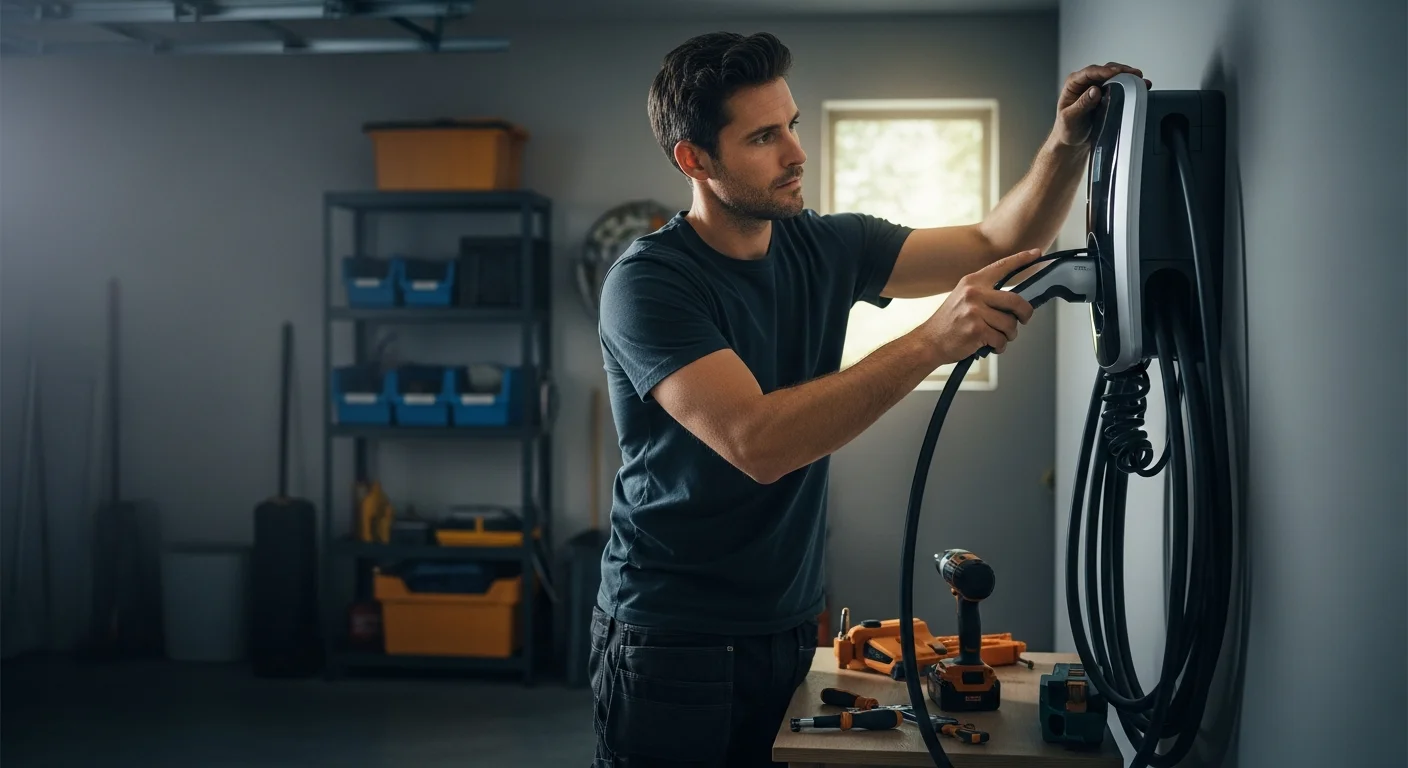
- Professional installation is required for safety and building code compliance
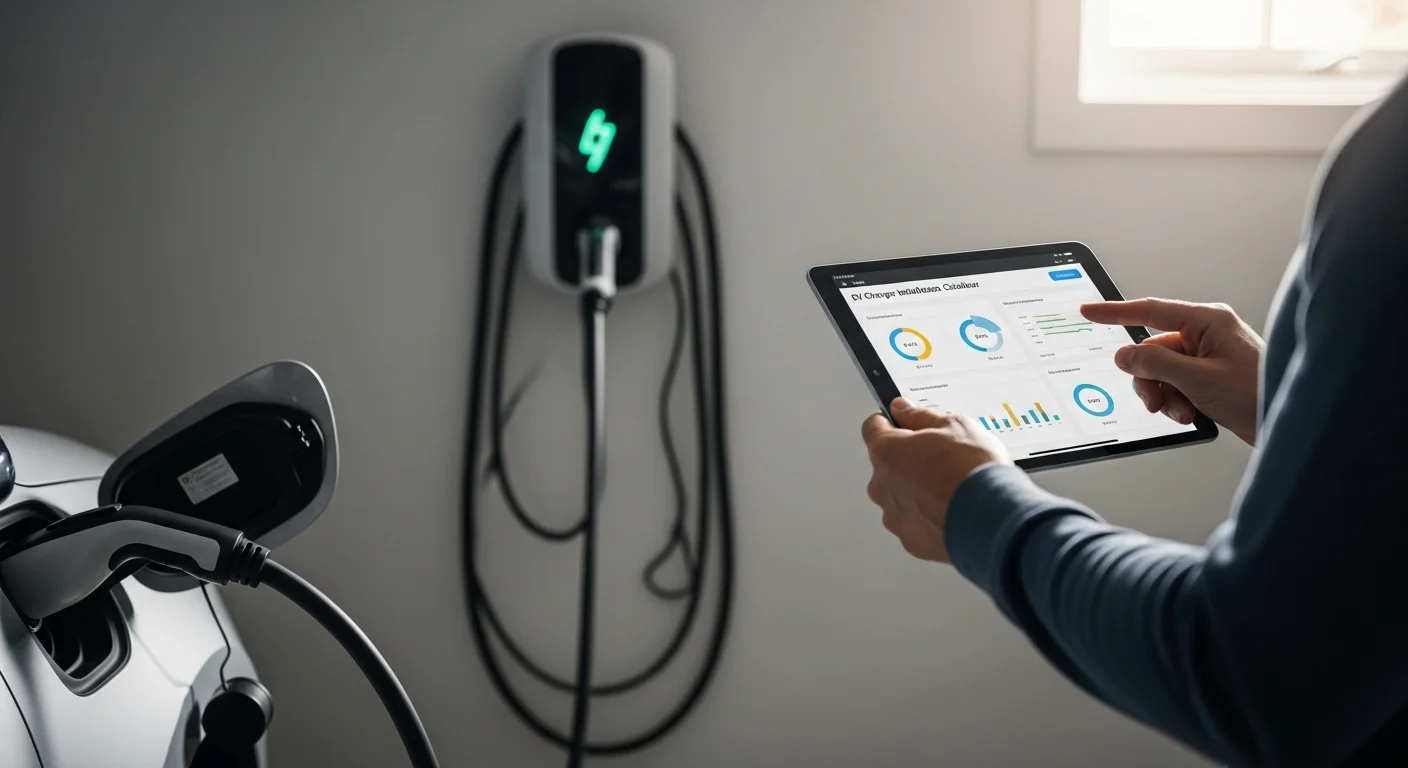
As we move through Winter 2026, the transition to electric mobility has reached an all-time high. For many homeowners, finding the right car charger ev setup is the final piece of the puzzle in achieving energy independence and lowering daily commuting costs. With new vehicle models released this year, the demand for high-speed home charging solutions has never been greater.
Transitioning to an electric vehicle requires more than just a car; it requires a strategic approach to infrastructure. Modern 2026 systems offer smart integration with home solar panels and battery storage, allowing you to charge with clean energy during off-peak hours. This guide will break down the complexities of installation, costs, and local incentives.
Ready to estimate your savings?
Use Our Installation Calculator →Understanding Home EV Charger Installation Cost
EV Charger Installation Calculator
Buy NowLabor and Material Breakdown
The primary drivers of installation costs include electrical panel upgrades, wiring distance from the panel to the garage, and permit fees. According to the U.S. Department of Energy, residential installations can vary widely based on the existing electrical infrastructure of the home.
Permitting and Local Codes
In Orange County, building codes are strictly enforced to ensure fire safety. Professional electricians must pull permits to verify that your home can handle the additional load of a Level 2 charging system. This process ensures that your insurance remains valid and your equipment operates efficiently.
Choosing the Best Car Charger EV for Your Home
Level 1 vs Level 2 Performance
Selecting a car charger ev unit involves deciding between Level 1 (standard outlet) and Level 2 (240V). Most 2026 EV owners prefer Level 2 systems because they can fully charge a long-range battery overnight, whereas Level 1 might take several days for a full charge.
Smart Features and Connectivity
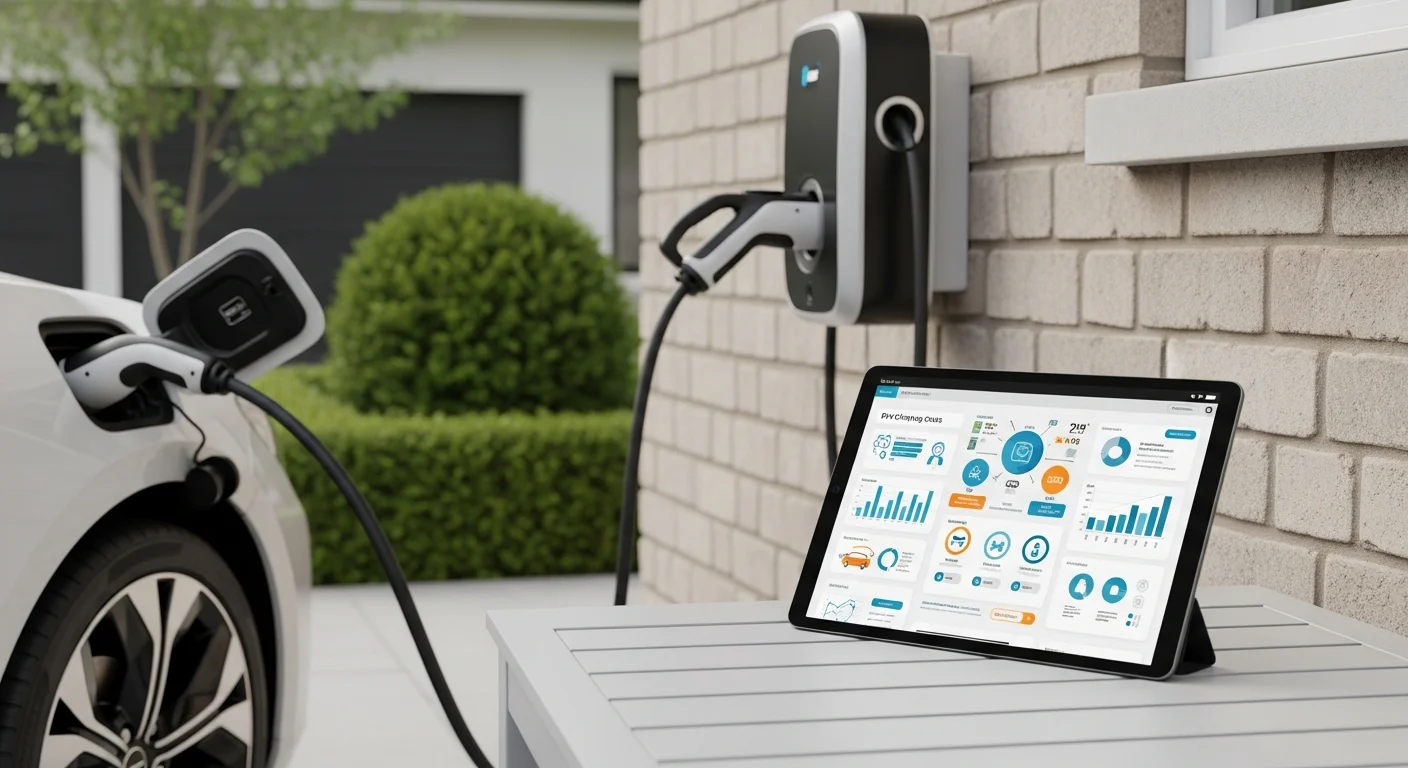
The latest models in Winter 2026 feature Wi-Fi connectivity, allowing users to schedule charging through mobile apps. This is crucial for taking advantage of time-of-use (TOU) utility rates, where electricity is cheaper during the night. Selecting a car charger ev with smart monitoring helps track energy consumption and costs in real-time.
| Charger Type | Charging Speed | Typical Use Case |
|---|---|---|
| Level 1 (120V) | 3-5 miles per hour | Plug-in hybrids or low daily mileage |
| Level 2 (240V) | 25-40 miles per hour | Full EVs and daily commuting |
Discover local rebates for your area.
Check Your Eligibility Now →Navigating Home EV Charger Incentives 2026
Federal Tax Credits for Charging
The 2026 tax landscape remains favorable for clean energy. According to the Internal Revenue Service, many taxpayers can claim a credit for the purchase and installation of qualified refueling property, including home charging stations.
California State Rebates
California continues to lead the nation in EV support. The California Energy Commission provides various grant programs and incentives for residential users, particularly those upgrading to Level 2 systems to reduce strain on the local grid during peak hours.
Professional vs DIY: How to Install EV Charger at Home
Safety and Electrical Risks
While some homeowners may feel comfortable with minor electrical work, installing a 50-amp circuit for an EV charger is a high-stakes task. Improper wiring can lead to heat buildup or electrical fires. Professional installers ensure that the car charger ev is properly grounded and compatible with your home's main breaker.
The Value of Certification
Using a certified electrician ensures that your manufacturer's warranty remains intact. Many brands will void the warranty if the unit is not installed by a licensed professional. Additionally, certified installers can help you navigate the paperwork required for utility-specific rebates.
Using an EV Charger Installation Calculator for Accuracy
Estimating Your ROI
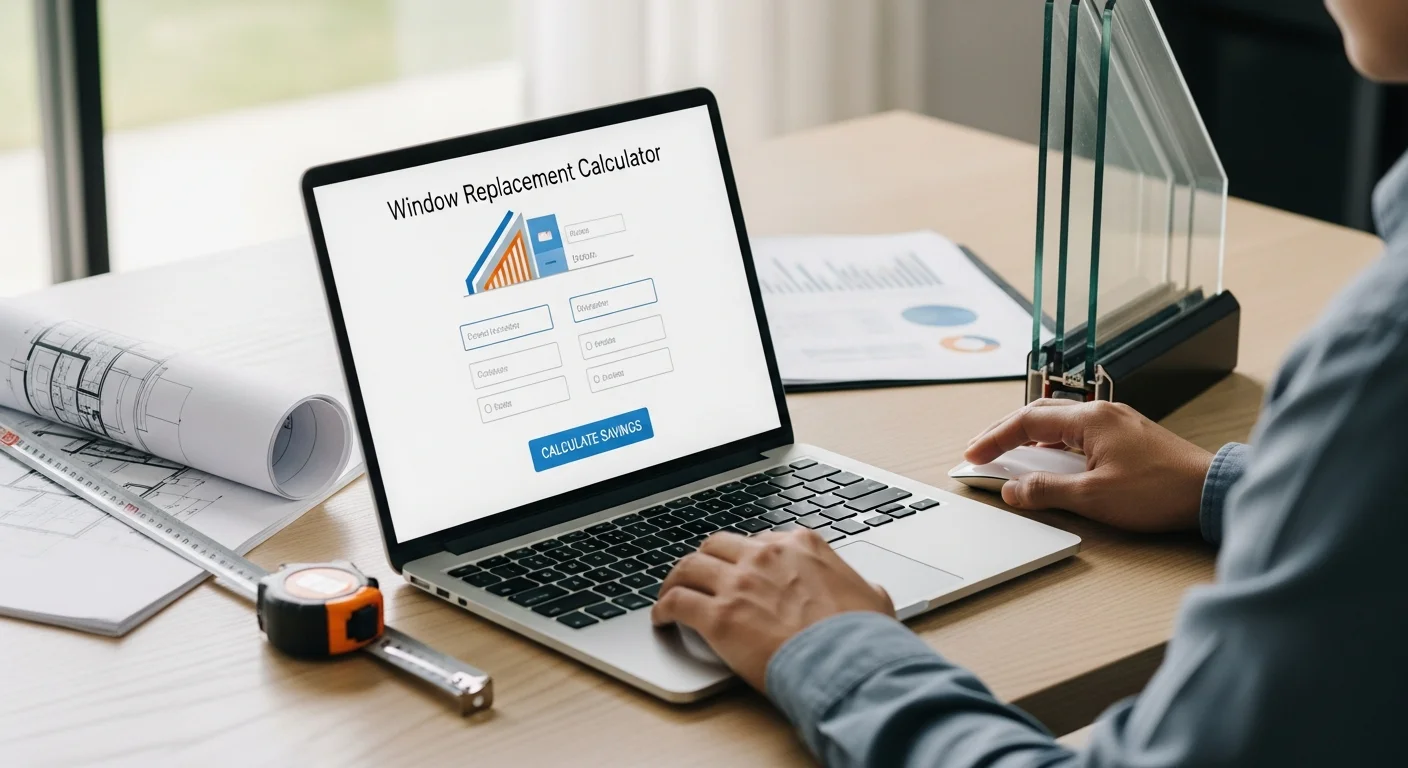
An online calculator takes the guesswork out of budgeting. By inputting your zip code, home age, and desired charger type, you can get a realistic estimate of the upfront costs versus the long-term savings compared to gasoline. Regular maintenance on your car charger ev is minimal, making it a sound investment for the future.
Customizing for Your Home
Every home is unique. Factors such as whether your garage is attached or detached, or if your electrical panel is on the opposite side of the house, can change the quote significantly. A calculator helps you understand these variables before you contact a contractor.
Get a custom quote in seconds.
Open the EV Calculator →
Frequently Asked Questions
How much does it cost to install a Level 2 charger in 2026?
On average, homeowners can expect to pay between $800 and $2,000 for a standard installation. This includes the cost of the hardware and professional labor, though complex electrical panel upgrades can increase the price.
Do I need a permit for a home charging station?
Yes, most jurisdictions in California require an electrical permit for any 240V installation. This ensures the work meets the National Electrical Code standards and protects your property value.
Can I use a portable charger as my primary home source?
While portable chargers are convenient for travel, they are often less durable for daily use. A hardwired wallbox is typically recommended for permanent residential setups due to better weatherproofing and faster speeds.
Will my home's electricity bill skyrocket?
While your electricity usage will increase, it is much cheaper than buying gasoline. By charging during off-peak hours (midnight to 6 AM), many owners see their effective fuel costs drop by over 70%.
Are there still federal tax credits available?
Yes, as of Winter 2026, federal incentives continue to support the expansion of home charging infrastructure. It is important to keep all receipts and installation certificates for your tax filing.
Conclusion
Investing in a car charger ev is a smart move for any homeowner in 2026. Not only does it add value to your property, but it also provides the ultimate convenience of never having to visit a gas station again. By understanding your installation options and utilizing available rebates, you can make this transition both affordable and seamless.
As technology continues to advance, your home charging station will serve as the heart of your personal transportation network. Take the time to plan your installation properly, use an accurate calculator, and hire a professional to ensure your system is safe and efficient for years to come.
About the Author

Written by William Corcoran, Orange County Home Savings Expert
William Corcoran has helped Orange County families save money on their homes for over 15 years. Specializing in property tax reduction and smart refinancing, he offers expert guidance you can trust. www.energybot.com www.energystar.gov
Related Articles
Ready to Find Your Savings?
Get a free personalized report showing all rebates and incentives your home qualifies for.
Get My Free Report