Home EV Charging Station Cost: 2026 Guide to Installation and Rebates
Key Takeaways
- Estimating installation costs early avoids budget surprises in 2026
- Level 2 chargers provide significantly faster charging than standard outlets
- Federal and local Orange County rebates can offset major installation expenses
- Choosing a smart charger allows for off-peak energy savings and monitoring
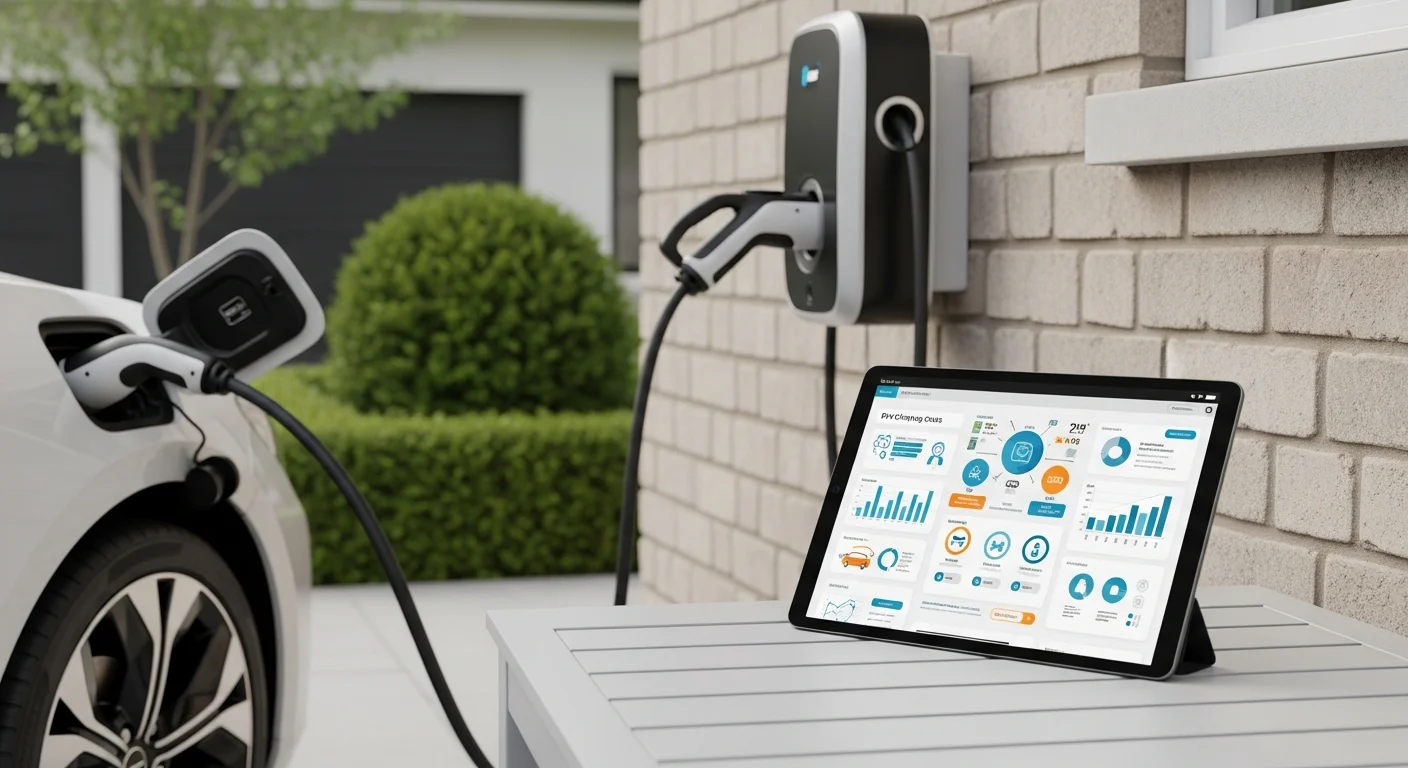
As we move through Winter 2026, the transition to electric mobility has reached an all-time high. For many homeowners in Orange County, the priority has shifted from simply buying an electric vehicle to finding the most efficient way to power it. Selecting the right ev car charger for your home is no longer just about convenience; it is about maximizing energy efficiency and long-term cost savings.
The landscape of home charging has evolved rapidly. With new technology emerging in the 2026 product lines, homeowners now have access to faster speeds and smarter integration than ever before. However, navigating the costs of equipment and professional labor can be daunting without the right tools.
Want to know exactly how much your setup will cost?
Use Our Installation Calculator →Understanding Home EV Charging Station Cost in 2026
EV Charger Installation Calculator
Buy NowEquipment and Hardware Prices
In 2026, the price of Level 2 hardware has stabilized, typically ranging from $400 to $900 depending on the brand and power output. High-end models offering 48 to 80 amps will sit at the top of this range, while standard 32-amp units are more affordable for average commuters. According to Department of Energy guidelines, investing in UL-certified hardware is essential for safety and insurance compliance.
Labor and Permitting Fees
Labor remains a significant variable in the total cost to install ev charger at home. In Southern California, professional installation costs can range from $500 for a simple plug-in setup to over $2,000 if your home requires a major panel upgrade. Permit fees also vary by city, usually adding another $100 to $300 to your final bill.
Top Electric Vehicle Charger Rebates and Incentives
Federal Tax Credits for 2026
The federal government continues to support the adoption of clean energy through the Alternative Fuel Vehicle Refueling Property Credit. Homeowners can often claim up to 30% of the cost of hardware and installation, capped at $1,000. This incentive makes the premium for a Level 2 station much easier to manage for budget-conscious families.
Local Orange County EV Charging Incentives
Residents served by Southern California Edison (SCE) have access to specific rebates that may cover a portion of the installation costs. Some programs even offer discounted rates for charging during off-peak hours, significantly reducing your monthly utility bill. It is vital to check current availability as these programs often have annual funding caps.
Comparing Best Home EV Chargers for 2026
Selecting the Right EV Car Charger Brand
When comparing the best home ev chargers for 2026, reliability and warranty support should be your top priorities. Popular brands have introduced more weather-resistant designs this season, making them ideal for outdoor garage placements. Ensure the unit you choose is compatible with your specific vehicle's port, though most now use the standardized NACS or J1772 connectors.
| Feature | Level 1 (Standard) | Level 2 (Fast) |
|---|---|---|
| Voltage Required | 120V | 240V |
| Charging Speed | 3-5 miles/hour | 25-50 miles/hour |
| Installation Complexity | None (Plug-in) | Professional Required |
Don't guess your savings. Get an expert estimate today.
Calculate Your Rebate Potential →Professional EV Car Charger Installation Process
Site Assessment and Electrical Load
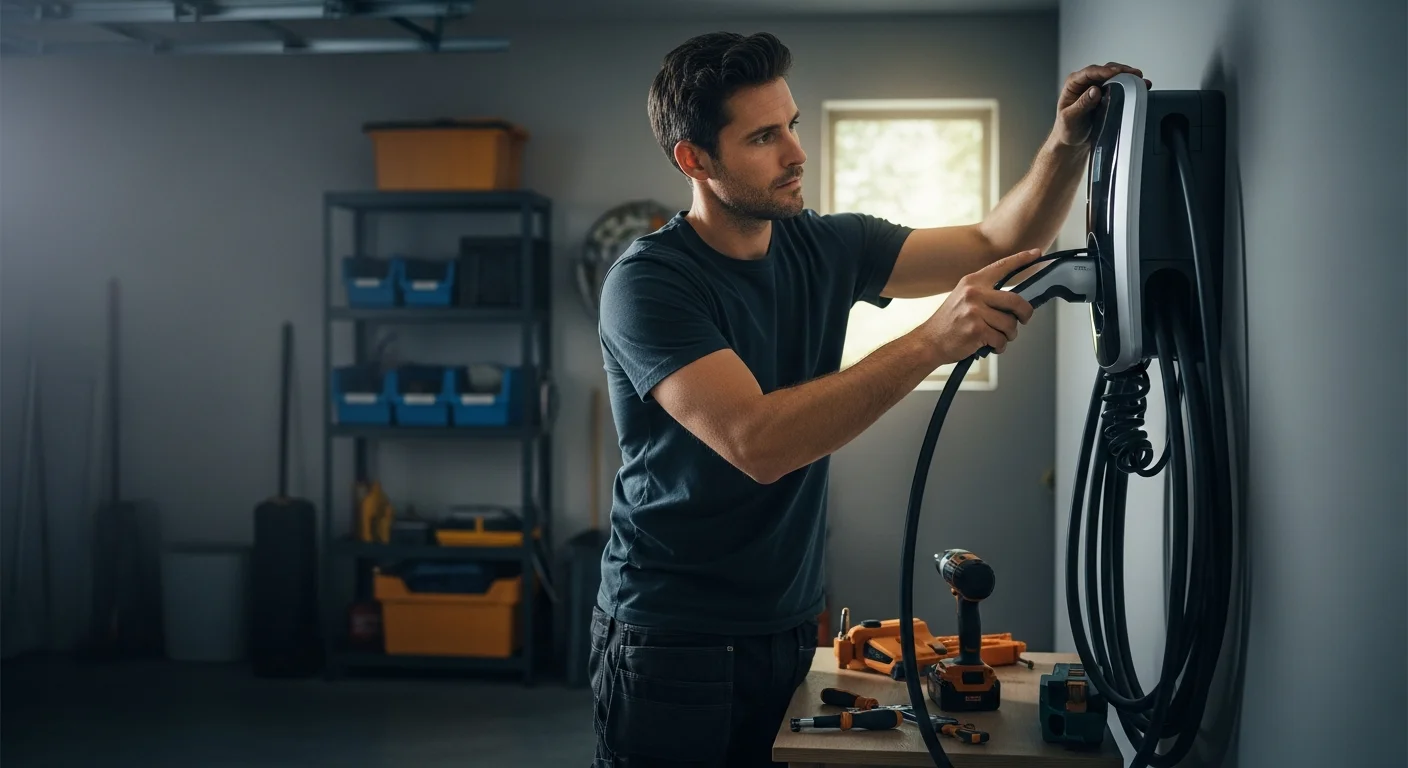
The first step in any professional ev car charger installation is a load calculation of your home's electrical panel. An electrician must ensure your existing service can handle the additional 32 to 50 amps required by a Level 2 station without overloading the main breaker. This is critical for preventing fire hazards and ensuring long-term reliability.
Hardwired vs. Plug-In Options
Homeowners must decide between a hardwired installation and a plug-in NEMA 14-50 outlet. Hardwiring is often preferred for outdoor installations or for achieving higher charging speeds (above 40 amps). According to industry standards, hardwired connections offer a more robust electrical path and are less susceptible to wear over time.
Level 2 Charging Station Benefits for Homeowners
Unmatched Speed and Convenience
The primary reason to invest in a dedicated home station is the speed. While a standard wall outlet takes days to fully charge a modern long-range EV, a Level 2 unit can complete the task overnight. Most modern ev car charger models allow you to wake up to a full battery every morning, eliminating "range anxiety" for good.
Increased Home Resale Value
In the 2026 real estate market, having an EV-ready garage is a massive selling point. Prospective buyers view a pre-installed charging station as a premium upgrade, much like high-end kitchen appliances. It demonstrates that the home is future-proofed and ready for the modern era of transportation.
Smart EV Charger Features You Need This Year
Wi-Fi Connectivity and App Control
Smart features allow you to monitor your energy usage in real-time. You can schedule charging sessions via your smartphone to coincide with the lowest utility rates, typically after midnight. This automation ensures you are always paying the least amount possible for your fuel.
Smart Load Balancing
For homes with two electric vehicles, smart load balancing is a game-changer. This technology allows two chargers to share a single circuit safely, distributing power based on which car needs it most. This avoids the massive expense of a second panel upgrade while still keeping both vehicles ready for the road.
Ready to upgrade your home for 2026?
Find Orange County Rebates Now →
Frequently Asked Questions
How much does it cost to install an EV charger in 2026?
On average, homeowners should budget between $1,200 and $2,500 for a full professional installation including the hardware. This price can increase if your electrical panel requires an upgrade to handle the 240V load. However, rebates can often offset $500 to $1,000 of this total.
Do I need a permit for EV charger installation in Orange County?
Yes, almost every city in Orange County requires a building permit for electrical work involving a 240V circuit. Working with a licensed professional ensures that the permit is filed correctly and that the final installation passes a safety inspection. This is also often a requirement to qualify for utility rebates.
What is the difference between Level 1 and Level 2 charging?
Level 1 uses a standard 120V household outlet and provides roughly 4 miles of range per hour. Level 2 requires a 240V connection (similar to a clothes dryer) and provides 25-40 miles of range per hour. Most 2026 EV owners prefer Level 2 for its ability to provide a full charge overnight.
Can I install a home EV charger myself?
While plug-in units are user-friendly, the installation of the 240V outlet or hardwired station should always be performed by a licensed electrician. Incorrect wiring can lead to electrical fires or damage to your vehicle's sensitive battery systems. Professional installation is also a prerequisite for most warranty claims and insurance coverage.
Are there still federal tax credits available for EV chargers in 2026?
Yes, the federal tax credit for residential alternative fuel infrastructure has been extended through 2032. Homeowners can typically deduct 30% of the hardware and labor costs, up to $1,000, on their federal tax return. It is recommended to keep all receipts and professional invoices for your tax records.
Conclusion
Investing in a home charging solution is one of the smartest moves an EV owner can make in 2026. By understanding the components of home ev charging station cost and leveraging available incentives, you can create a high-speed fueling station right in your garage for a fraction of the long-term cost of public charging.
The combination of modern smart features and robust federal and local rebates makes this the ideal time to upgrade your home infrastructure. Whether you are looking for the fastest possible speeds or the most cost-effective entry point, the technology available today offers a solution for every homeowner.
Take the first step toward a more convenient lifestyle by getting your ev car charger set up today. With the help of the Orange County Home Savings experts, you can navigate the complexities of installation and maximize your savings effortlessly. Your future self—and your electric vehicle—will thank you.
About the Author

Written by William Corcoran, Orange County Home Savings Expert
William Corcoran has helped Orange County families save money on their homes for over 15 years. Specializing in property tax reduction and smart refinancing, he offers expert guidance you can trust. www.energybot.com www.energystar.gov
Related Articles

Ready to Find Your Savings?
Get a free personalized report showing all rebates and incentives your home qualifies for.
Get My Free Report