HVAC Sizing Guide 2026: How to Calculate Heat Needs and Maximize Energy Savings

Key Takeaways
- Proper unit sizing is critical for energy efficiency and long term system health
- Heat pumps are the leading choice for Orange County residents in Winter 2026
- New federal and state rebates significantly lower the cost of HVAC upgrades
- Automated tools help homeowners avoid overpaying for oversized heating units
As we move through Winter 2026, many Orange County homeowners are finding that their older heating systems are struggling to maintain comfort without causing energy bills to skyrocket. Navigating the world of home climate control requires more than just picking a reputable brand; it requires a precise understanding of your home's thermal requirements. Using a professional btu estimator is the first step toward ensuring you don't over-invest in equipment that is too powerful or underpowered for your specific floor plan.
The shift toward electrification in California has made energy efficient heat pumps 2026 the gold standard for residential temperature management. These systems provide both heating and cooling from a single unit, but their efficiency is highly dependent on correct sizing. Without an accurate calculation, you risk shorter equipment lifespans and excessive humidity levels during the warmer months.
Understanding HVAC Sizing in 2026
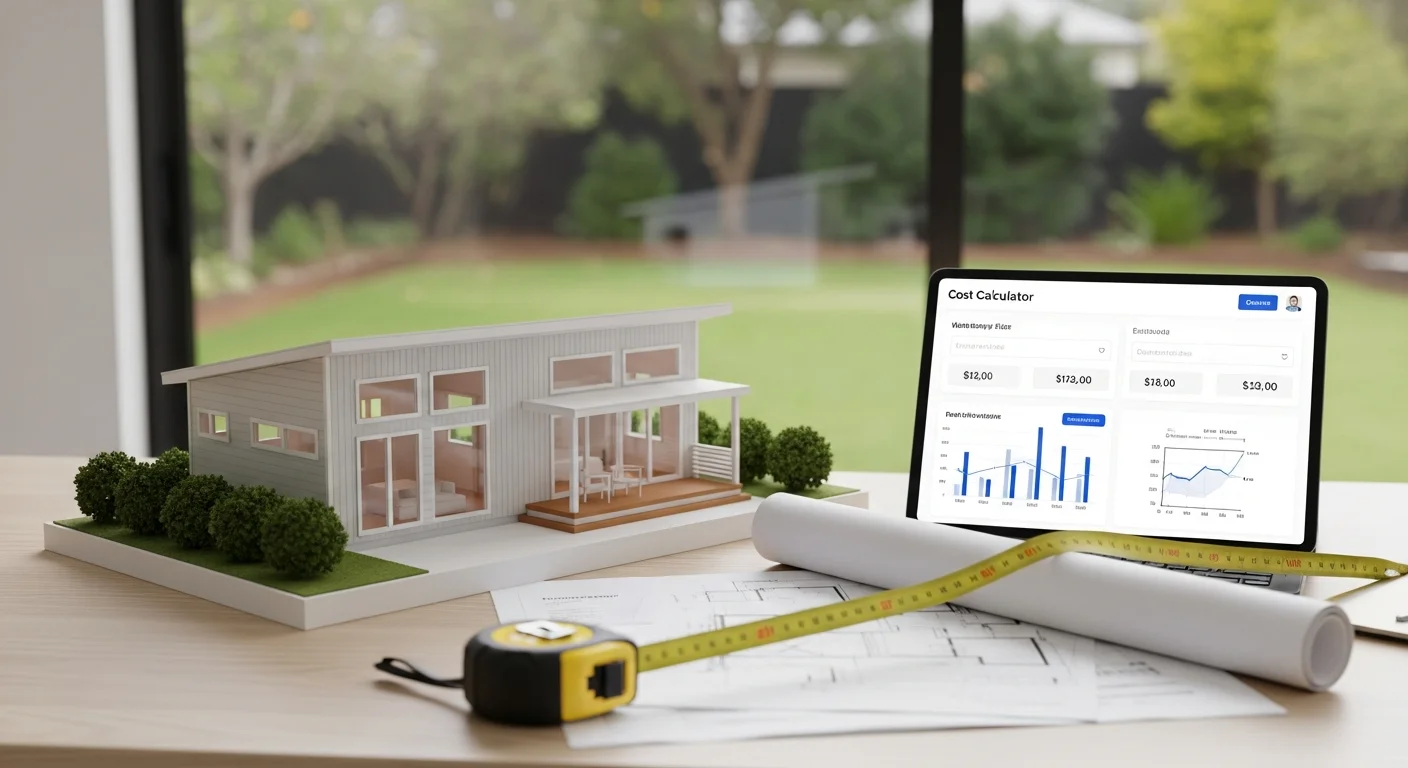
AC & Heating Cost Calculator
Buy NowThe Basics of Thermal Loads
Thermal load refers to the amount of heating or cooling energy needed to maintain a constant temperature. Factors such as ceiling height, window placement, and insulation quality all influence this number. According to the U.8. Department of Energy sizing guide, an oversized system will cycle on and off too frequently, leading to premature wear.
Advancements in HVAC Efficiency
In 2026, modern units utilize variable-speed compressors that adjust their output in real-time. This technology allows for much finer control over the home environment compared to the "all or nothing" approach of older furnaces. Ensuring your installer performs a Manual J calculation is essential for maximizing these technical benefits.
The Role of a BTU Estimator in Home Planning
Precision Measurement for Comfort
A btu estimator allows homeowners to input their square footage and local climate data to determine the approximate British Thermal Units required. While a professional audit is always recommended, these tools provide a necessary baseline for budgeting and comparing different system capacities.
Avoiding Common Sizing Mistakes
Many consumers mistakenly believe that "bigger is better" when it comes to HVAC. In reality, a unit that is too large for the space will fail to dehumidify the air properly, leading to a clammy and uncomfortable indoor environment. Accurate data from a trusted source helps prevent this costly error.
Ready to see how much you could save on your energy bills?
Calculate Your Savings Now →Heat Pump vs Central Air Cost Analysis
Upfront Investment vs Long-Term Savings
When analyzing heat pump vs central air cost, it is vital to look at the total cost of ownership. Heat pumps often have a higher initial purchase price but can reduce monthly heating costs by up to 50% compared to electric resistance heating. Data from the U.S. Energy Information Administration suggests that high-efficiency electric systems are becoming increasingly competitive.
| System Type | Typical 2026 Efficiency | Operational Benefit |
|---|---|---|
| Standard Central Air | 14-16 SEER2 | Lower initial equipment cost |
| Modern Heat Pump | 20+ SEER2 / 10+ HSPF2 | Dual-mode heating and cooling |
| Hybrid Systems | Varies | Optimized for extreme temperature swings |
Orange County HVAC Rebates 2026
Federal Tax Credits and Local Programs
Under current 2026 regulations, homeowners can take advantage of significant federal tax credits for high-efficiency installations. Furthermore, local utilities in Southern California offer specific incentives for residents who transition away from natural gas. According to ENERGY STAR federal tax credit resources, these savings can often cover thousands of dollars in installation costs.
Don't leave money on the table. Discover your eligible 2026 rebates today!
Check Your Eligibility →Using an HVAC Upgrade Savings Calculator
Predicting Your Utility Bills
A modern hvac upgrade savings calculator combines your current energy usage with the efficiency ratings of new systems to project future savings. This allows you to see the "payback period"—the time it takes for the energy savings to offset the cost of the new unit. This level of transparency is vital for making an informed decision in Winter 2026.
Factors that Influence ROI
Your Return on Investment (ROI) isn't just about the machine itself. Home airtightness and ductwork integrity play massive roles. As noted by the ASHRAE technical guidelines, even the most efficient system will perform poorly if the distribution system is leaking air into the attic or crawlspace.
Winter 2026 Maintenance for Peak Efficiency
Filter Changes and Coil Cleaning
Even with a perfectly sized unit, neglect can lead to a 15% increase in energy consumption. During the Winter 2026 season, ensure your filters are checked monthly. Dirty filters restrict airflow, forcing the blower motor to work harder and consume more electricity.
Smart Thermostat Optimization
Integrating your HVAC with a smart thermostat can further refine your usage. By programming the system to reduce output when you are away or asleep, you can ensure that the btu estimator results you started with translate into actual bankable savings at the end of the month.
Frequently Asked Questions
How many BTUs do I need per square foot in 2026?
While a general rule is 20-30 BTUs per square foot, this varies greatly based on insulation and climate. A modern sizing tool provides a more accurate assessment than simple square footage rules, accounting for the unique characteristics of your home.
Is a heat pump effective in Orange County winters?
Yes, heat pumps are exceptionally effective in Southern California's mild climate. Because temperatures rarely drop below freezing for extended periods, heat pumps operate at peak efficiency, making them a superior choice over traditional gas furnaces.
Can I use a BTU estimator for both heating and cooling?
Absolutely. Most modern calculators allow you to toggle between heating and cooling loads. In a climate like Orange County, your cooling load may actually be higher than your heating load, so it is important to size for the most demanding season.
What are the main benefits of a variable-speed HVAC system?
Variable-speed systems offer better humidity control, quieter operation, and significantly lower energy bills. Instead of turning off completely, they run at lower speeds to maintain a steady temperature, preventing the large swings common with older technology.
How often should I replace my HVAC system?
Most systems last between 15 and 20 years. However, if your system is over 10 years old and requires frequent repairs, the energy efficiency gains of 2026 models often make replacement the more financially sound option.
Conclusion
Taking control of your home's energy consumption starts with accurate data. By utilizing a btu estimator, you can approach the upgrade process with confidence, knowing exactly what your home requires for year-round comfort. As energy prices and climate patterns continue to evolve, staying ahead with efficient technology is the smartest move for any homeowner.
At Orange County Home Savings, we are dedicated to helping you navigate these complex decisions. Whether you are comparing system types or looking for the latest 2026 rebates, our tools and expertise are designed to put money back in your pocket while keeping your family comfortable. Don't let another season go by with an inefficient system.
Ready to upgrade? Use our expert tools to find your perfect HVAC match.
Get Your Custom Quote →About the Author

Written by William Corcoran, Orange County Home Savings Expert
William Corcoran has helped Orange County families save money on their homes for over 15 years. Specializing in property tax reduction and smart refinancing, he offers expert guidance you can trust. www.energybot.com www.energystar.gov
Related Articles

Ready to Find Your Savings?
Get a free personalized report showing all rebates and incentives your home qualifies for.
Get My Free Report