ADU Cost Estimator 2026: Calculating Accessory Dwelling Unit Benefits and Expenses
Key Takeaways
- ADU projects in 2026 focus on sustainable materials and smart home integration to boost long term value
- Permit fees and utility connection costs represent significant upfront expenses that vary by local jurisdiction
- Building a secondary unit can increase total property valuation by twenty to thirty percent in most coastal markets
- New financing programs in 2026 make it easier for homeowners to leverage equity for building backyard homes
As we enter Spring 2026, the demand for creative housing solutions in California has reached an all-time high. Many homeowners are finding that investing in adu construction is the most practical way to address the need for more space while building generational wealth. Whether you are looking to house an aging parent or generate rental income, understanding the current market landscape is vital for success.
Navigating the nuances of local zoning laws and material price fluctuations requires up-to-date data. By using modern tools and expert insights, you can move from the dreaming phase to the building phase with confidence. This guide breaks down exactly what you need to know about building a secondary unit this year.
Understanding ADU Cost Estimator 2026 Factors
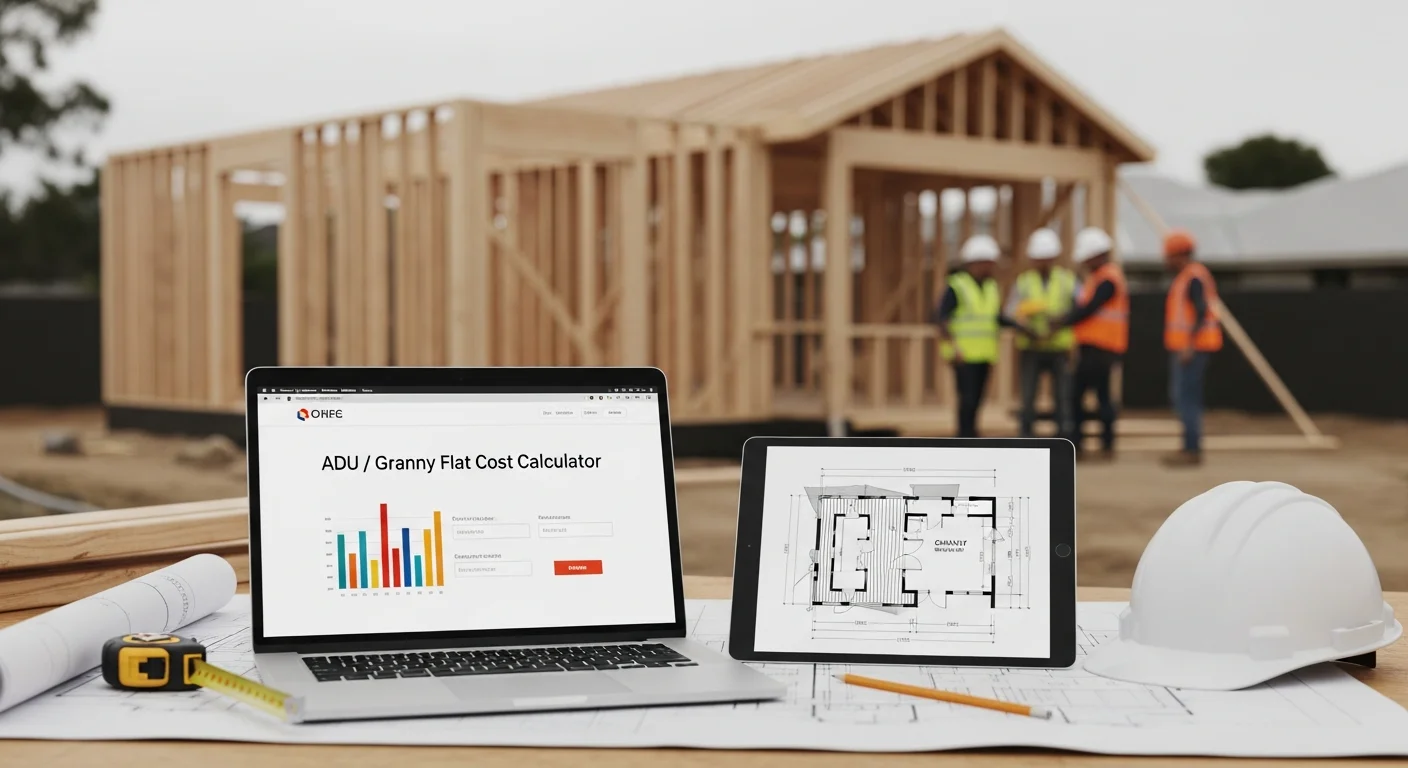
ADU / Granny Flat Cost Calculator
Buy NowHard Costs vs. Soft Costs
Hard costs include the tangible elements of your build, such as foundation work, framing, and roofing. Soft costs cover the non-tangible expenses like architectural renderings, engineering reports, and city permit fees. According to the California Department of Housing and Community Development, soft costs can often account for 15% to 25% of your total budget.
Impact of Local Impact Fees
While many state laws have reduced impact fees for smaller units, units over 750 square feet may still incur significant charges. It is essential to check with your local planning department to see if your specific lot qualifies for fee exemptions established in recent legislation.
The Primary Accessory Dwelling Unit Benefits
Passive Income Generation
In the Spring 2026 rental market, well-designed ADUs are fetching premium rents. Homeowners are seeing high demand for "granny flats" as affordable alternatives to luxury apartments, providing a steady stream of monthly income that often exceeds the monthly loan payment for the construction.
Multi-Generational Living Solutions
Modern families are increasingly using these units to keep loved ones close. This "aging in place" strategy allows seniors to maintain independence while being just steps away from family support, significantly reducing long-term care costs.
Want to see how much your property could earn?
Calculate Your ADU Costs Now →Navigating ADU Construction Timelines and Phases
The Design and Permitting Stage
Before any ground is broken, you must navigate the design and approval process. Choosing a contractor specializing in adu construction ensures that your plans meet California Title 24 energy standards and local fire safety codes, which can take anywhere from 3 to 6 months for full approval.
Vertical Construction and Utilities
Once permits are issued, the actual build begins. This includes site preparation, utility trenching, and framing. In 2026, many builders are utilizing panelized systems to speed up this phase, reducing the on-site build time to approximately 4 to 7 months depending on weather conditions.
Financing for ADU Projects in Spring 2026
Leveraging Home Equity
The most common method for funding a secondary unit remains a Home Equity Line of Credit (HELOC). According to Consumer Financial Protection Bureau guidelines, this allows you to borrow against the value of your primary residence at lower interest rates than personal loans.
State Grants and Specialized Loans
New for the 2026 fiscal year, several state-backed initiatives provide grants for low-to-moderate income homeowners looking to build ADUs. These funds can often be used to cover the initial soft costs, making the project more accessible for the average family. The scale of your adu construction project will often dictate which loan product is the best fit for your financial situation.
Ready to explore your financing options?
Get Your Free Estimate →Prefab vs Custom ADU Costs: Which is Better?
When deciding between a custom stick-built unit or a prefabricated module, homeowners must weigh the trade-offs between speed and flexibility. The complexity of your adu construction plan will be the deciding factor here.
| Factor | Prefabricated ADU | Custom Stick-Built |
|---|---|---|
| Timeline | 4-6 Months Total | 9-12 Months Total |
| Cost Per Sq Ft | $300 - $450 | $400 - $600+ |
| Design Flexibility | Limited (Set Models) | Unlimited (Fully Custom) |
| Property Value | High | Maximum ROI |
Frequently Asked Questions
How much does an ADU cost in Orange County in 2026?
On average, homeowners in Orange County should expect to spend between $180,000 and $350,000 for a fully finished unit. This range includes all permits, labor, and materials, though luxury finishes can drive prices higher.
Can I build an ADU if I have a small backyard?
Yes, recent state mandates have relaxed setback requirements, often allowing for builds just 4 feet from side and rear property lines. Junior ADUs (JADUs) are another option for smaller properties using existing space within the home.
Does an ADU require a separate utility meter?
While not always required by law, having separate meters for electricity and water is highly recommended for rental units. This allows for easier billing management and adds to the property's overall marketability.
How will an ADU affect my property taxes?
According to research from the California State Board of Equalization, an ADU triggers a blended assessment. Your primary home value remains protected under Prop 13, but the value of the new unit is added to your tax base.
Is a permit always required for a garage conversion?
Yes, a permit is absolutely mandatory for any legal living space conversion. This ensures the structure is safe for habitation, has proper egress, and meets all current California fire codes.
Taking the Next Step in Your ADU Journey
Embarking on adu construction represents a significant investment, but one that offers unparalleled rewards in terms of property utility and financial growth. By carefully planning your budget and utilizing accurate cost estimators, you can avoid the common pitfalls that plague unprepared builders.
At OC Home Savings, we specialize in providing the data you need to make informed decisions. From initial cost projections to finding the right financing partner, our mission is to simplify the complex world of secondary housing for Orange County residents. The market in Spring 2026 is ripe for development—don't miss your chance to expand your property's potential.
Ready to build your future backyard home?
Calculate Your Savings Potential Now →About the Author

Written by William Corcoran, Orange County Home Savings Expert
William Corcoran has helped Orange County families save money on their homes for over 15 years. Specializing in property tax reduction and smart refinancing, he offers expert guidance you can trust. www.energybot.com www.energystar.gov
Related Articles
Ready to Find Your Savings?
Get a free personalized report showing all rebates and incentives your home qualifies for.
Get My Free Report