Efficient Pool Heating Solutions: How to Lower Your Energy Bills in 2026
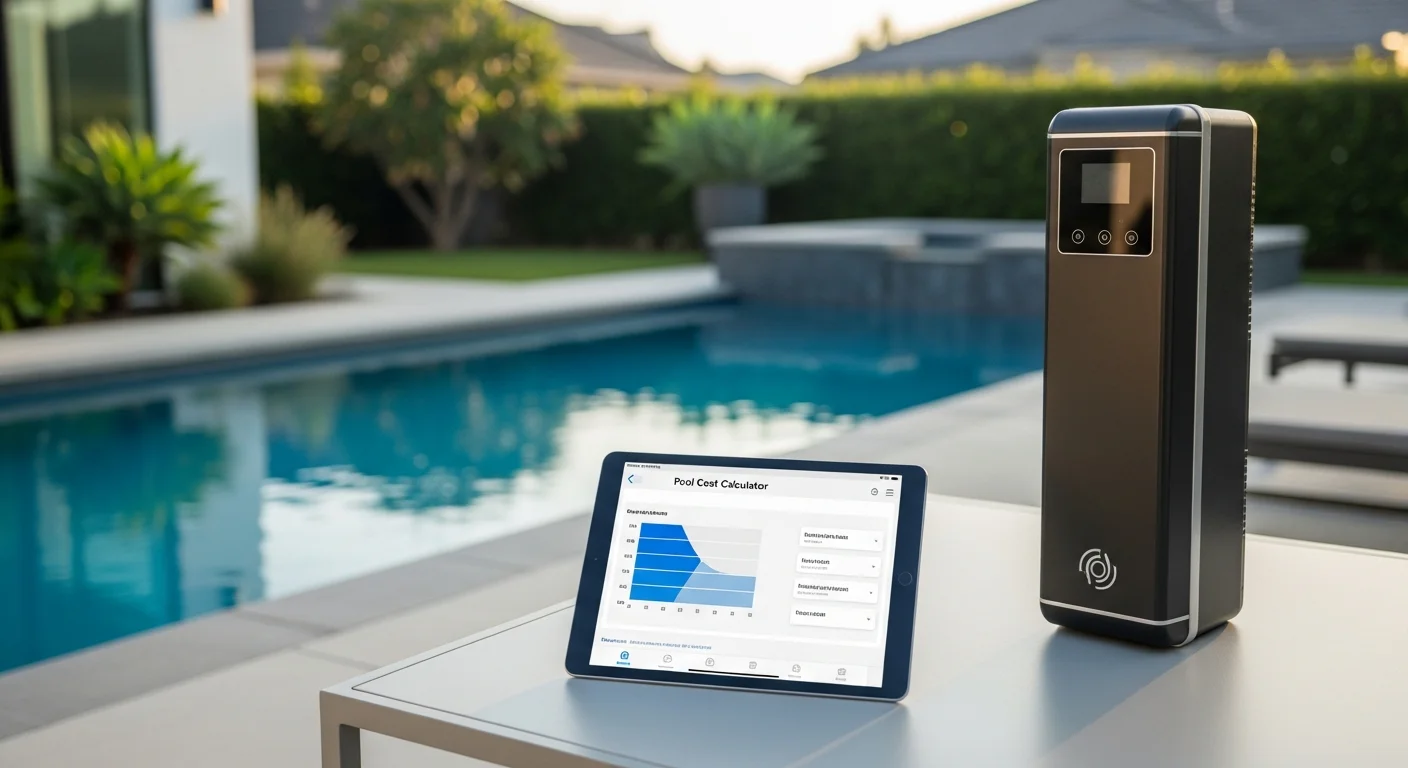
Key Takeaways
- Modern heat pumps offer up to 70 percent savings compared to traditional gas heaters.
- Energy saving pool pumps are essential for reducing baseline electricity consumption.
- Using a digital calculator helps accurately predict annual return on investment.
- Winter 2026 energy prices make efficiency upgrades more valuable than ever.
As we move into the heart of Winter 2026, homeowners in Orange County are facing rising utility rates and a renewed focus on home sustainability. Maintaining a comfortable water temperature shouldn't break the bank, yet many residents are still using outdated equipment that wastes hundreds of dollars every month. Investing in a high-efficiency swimming pool heat pump is the smartest move for 2026 to ensure year-round swimming without the financial burden.
According to the U.S. Department of Energy, heating is the largest single energy expense for most pool owners. By understanding how modern technology extracts heat from the air, you can transform your backyard into an eco-friendly oasis. This guide explores the latest trends and tools available to help you achieve efficient pool heating solutions while keeping your budget intact.
Understanding Pool Heating Cost in 2026
Pool Cost Calculator
Buy NowMarket Trends and Energy Prices
The pool heating cost 2026 landscape has shifted due to advancements in inverter technology. Electricity prices remain volatile, but the efficiency of new units has increased, making electric-based heating more competitive than ever. Homeowners are now prioritizing long-term operational savings over lower upfront installation costs.
The Impact of Climate on Efficiency
Ambient temperature plays a critical role in how your system performs. In Southern California's mild climate, heat extraction is highly effective during most months. Understanding how to lower pool heating bills requires a strategy that aligns with local weather patterns and seasonal usage peaks.
Ready to see your potential savings?
Calculate Your Pool Savings Now →Why a Swimming Pool Heat Pump is Your Best Choice in 2026
How Heat Transfer Technology Works
Unlike gas heaters that generate heat by burning fuel, a swimming pool heat pump uses electricity to capture heat from the outside air and transfer it to the water. This process is remarkably efficient because it moves existing heat rather than creating it from scratch. As noted by the Environmental Protection Agency, this method significantly reduces carbon footprints.
Operational Longevity and Reliability
Modern units in 2026 are built with corrosion-resistant materials like titanium heat exchangers. These components are designed to withstand the harsh chemicals found in pool water. When properly maintained, these systems can last 10 to 15 years, offering a much better lifecycle value than traditional alternatives.
Comparing Eco-Friendly Swimming Pool Heating vs Gas
| Feature | Heat Pump (2026 Tech) | Traditional Gas Heater |
|---|---|---|
| Energy Source | Electricity / Air Heat | Natural Gas / Propane |
| Monthly Cost | Low ($50-$150) | High ($300-$600) |
| Environmental Impact | Eco-Friendly | High Emissions |
Cost-Effectiveness in Mild Climates
For residents seeking the best pool heater for mild climates, heat pumps are the undisputed winner. While gas heaters warm water faster, they burn through fuel at an alarming rate. In contrast, the gradual heat provided by electric systems is more sustainable for maintaining a consistent temperature daily.
Reduced Maintenance Requirements
Gas heaters involve combustion, which naturally creates wear and tear on internal components. By opting for sustainable pool heating options, you reduce the frequency of service calls and eliminate the risks associated with gas line leaks or pilot light failures.
Stop guessing your utility costs.
Open the Efficiency Calculator →Maximizing Energy Saving Pool Pumps for Year-Round Comfort
The Role of Variable Speed Technology
A heater is only as good as the pump circulating the water. Modern energy saving pool pumps utilize variable speed motors that can run at lower, more efficient speeds during filtration cycles. This synergy allows the heater to operate more consistently without wasting excess electricity.
Calculating Pool Pump Efficiency Savings
According to California Energy Commission regulations, high-efficiency pumps are now the standard for new installations. By lowering the RPM of your motor, you can achieve pool pump efficiency savings of up to 80% compared to old single-speed models.
Orange County Pool Energy Savings Strategies
Leveraging Local Utility Rebates
In Winter 2026, several local initiatives in Southern California offer incentives for upgrading to energy-efficient equipment. These Orange County pool energy savings programs can help offset the initial purchase price of a new heat pump or variable speed motor.
Smart Automation and Scheduling
Integrating your system with home automation allows for precise control over heating schedules. By heating your pool during off-peak hours when electricity rates are lower, you can maximize your swimming pool heat pump performance while minimizing the impact on your monthly bill.
How to Use a Pool Cost Calculator for Maximum ROI
Inputting Accurate Data for Better Results
To get the most out of an online tool, you need to know your pool's surface area, average depth, and current energy rates. A professional calculator can analyze these variables to show you exactly how reducing pool operation costs is possible through equipment upgrades.
Visualizing Long-Term Financial Benefits
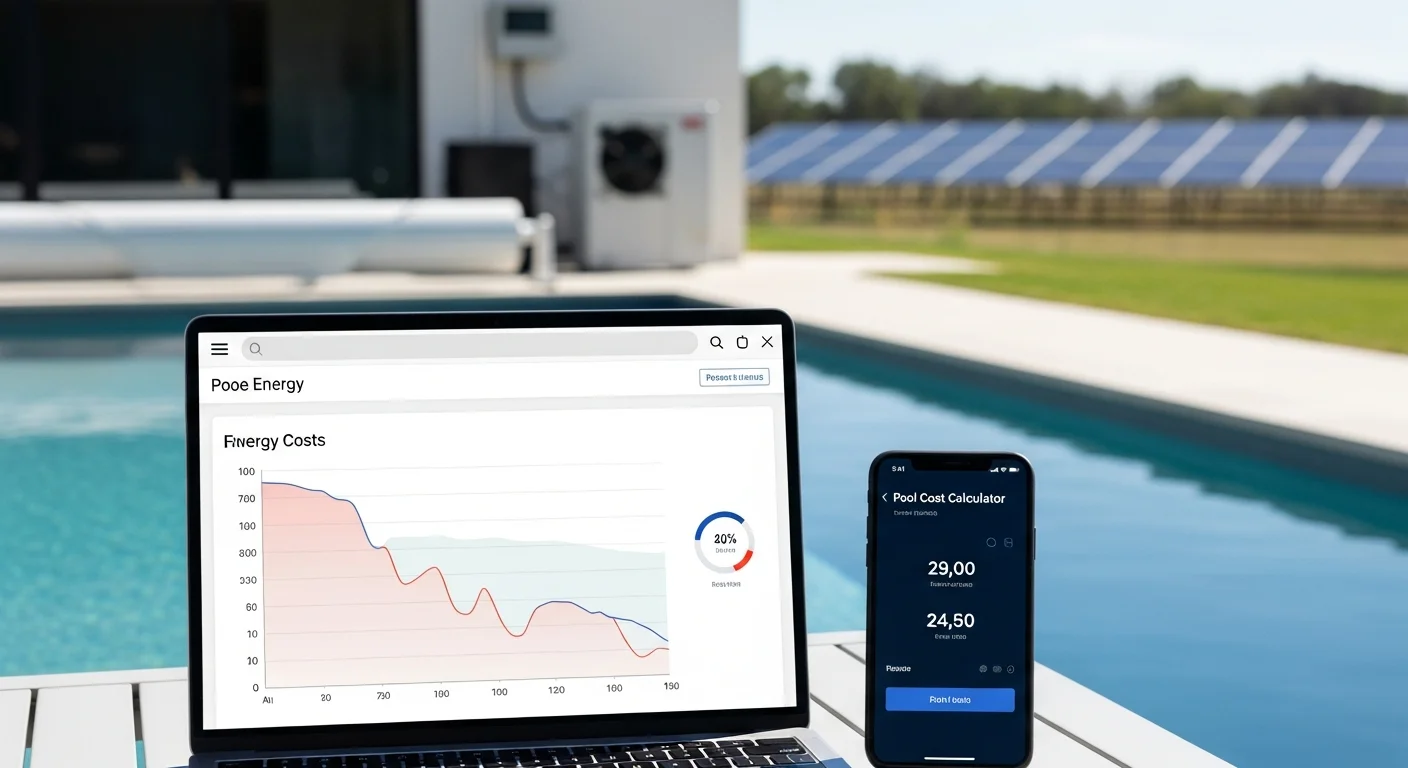
The primary benefit of a calculator is seeing the "break-even" point. Most homeowners find that the installation of a high-efficiency system pays for itself in energy savings within just 2 to 4 years. This data makes the transition to eco-friendly swimming pool heating a clear financial win.
Start saving hundreds on your pool bills.
Access the Savings Calculator →Frequently Asked Questions
How much can I save by switching to a heat pump?
On average, homeowners see a 50% to 70% reduction in heating costs when switching from gas. The exact amount depends on your local electricity rates and how often you use the pool. Most users in Orange County save over $1,000 annually with modern 2026 units.
Do heat pumps work during the winter months?
Yes, modern heat pumps are designed to operate efficiently as long as the air temperature is above 45-50 degrees Fahrenheit. Since Southern California winters rarely drop below this range during the day, they are a perfect year-round solution for the region.
How long does it take for a heat pump to heat a pool?
Unlike gas heaters which provide a quick blast of heat, these systems work gradually. It typically takes 24 to 48 hours to bring a pool to the desired temperature initially, but they are exceptionally good at maintaining that temperature with very little energy consumption once reached.
Are variable speed pumps required for heat pumps?
While not strictly required, they are highly recommended. A variable speed pump allows the water to flow at the exact rate required by the heat pump for optimal heat exchange. This combination provides the highest possible efficiency and lowest operating costs.
What maintenance does a pool heat pump require?
Maintenance is minimal compared to other systems. You should ensure the air intake is clear of debris like leaves, clean the evaporator coil annually, and check that the condensate drain is not clogged. Professional inspections every two years are usually sufficient.
Conclusion
Navigating the complexities of pool ownership in 2026 requires a proactive approach to energy management. By prioritizing technology over tradition, you can enjoy a warm, inviting pool while drastically reducing your environmental impact and utility bills. A swimming pool heat pump combined with smart pumping technology represents the gold standard in modern home efficiency.
Don't let outdated equipment drain your bank account this season. Use the tools available to you, such as our comprehensive cost calculator, to see the tangible benefits of an upgrade. With the right strategy, your pool will remain a source of joy and relaxation throughout Winter 2026 and beyond.
About the Author

Written by William Corcoran, Orange County Home Savings Expert
William Corcoran has helped Orange County families save money on their homes for over 15 years. Specializing in property tax reduction and smart refinancing, he offers expert guidance you can trust. www.energybot.com www.energystar.gov
Related Articles

Ready to Find Your Savings?
Get a free personalized report showing all rebates and incentives your home qualifies for.
Get My Free Report