Energy Efficient Casement Windows: Replacement Benefits and 2026 Savings Guide
Key Takeaways
- Casement windows offer superior airtight seals compared to sliding or double-hung models
- New 2026 federal tax credits can significantly offset the cost of high-performance installations
- Orange County homeowners benefit from specific local energy efficiency rebate programs
- Advanced 2026 glazing technology maximizes thermal retention during the winter season
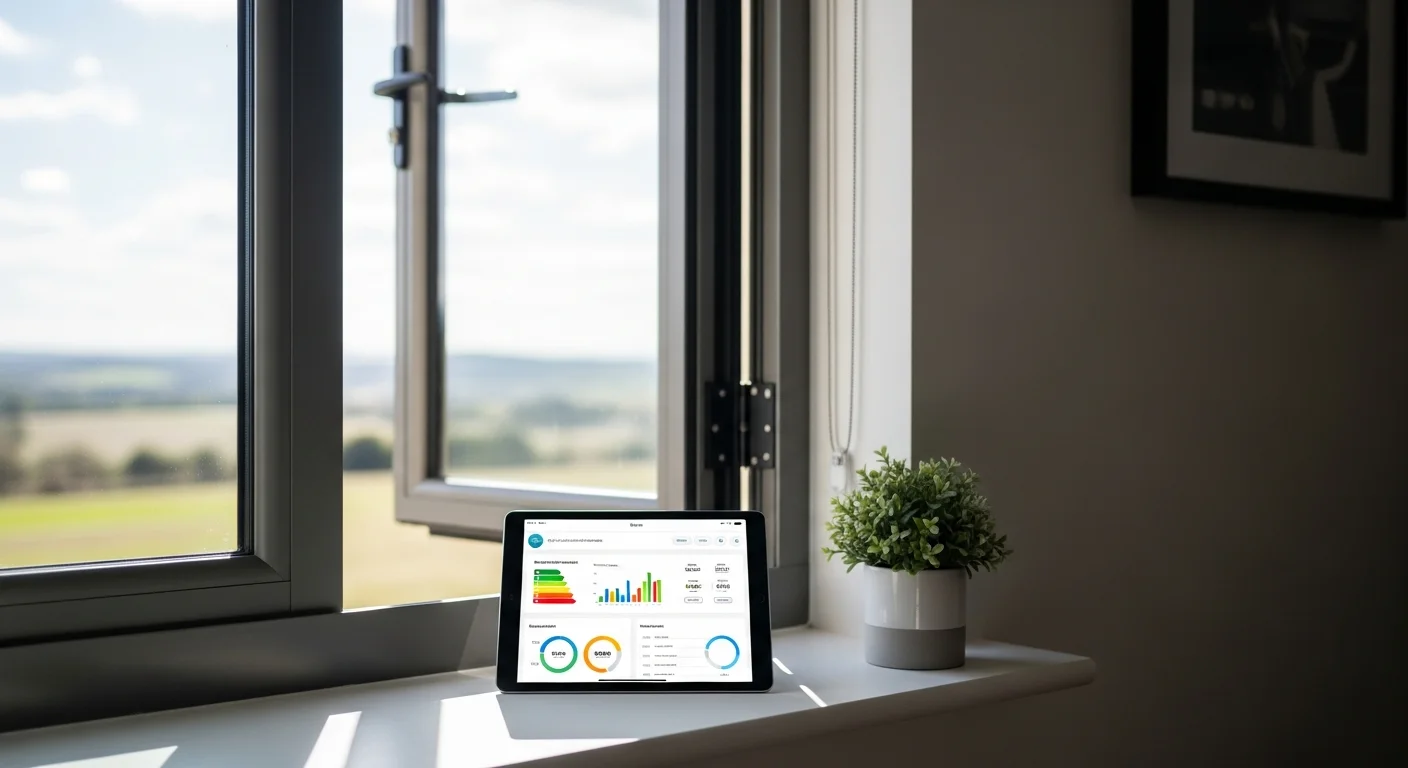
As we move through the Winter 2026 season, homeowners are increasingly focused on reducing utility costs and improving interior comfort. One of the most effective ways to achieve these goals is by upgrading to a high-performance window casement that utilizes the latest in thermal break technology. These units are specifically designed to provide a tighter seal than traditional operating windows.
According to the U.S. Department of Energy, heat gain and loss through windows are responsible for 25% to 30% of residential heating and cooling energy use. By selecting the right window style and frame material, you can significantly mitigate this waste. This guide explores how 2026 innovations are making these upgrades more affordable than ever.
Why Energy Efficient Casement Windows Lead 2026 Trends
Window Replacement Calculator
Buy NowAdvancements in Thermal Glazing
The 2026 collections feature triple-pane glass as a standard for high-efficiency homes. These units use argon or krypton gas fills between the layers to create a barrier against the cold winter air. This technology ensures that the interior glass surface remains warm to the touch, preventing drafts.
Smart Glass Integration
Modern casement window design trends 2026 now include optional electrochromic glass. This allow homeowners to tint their windows via a smartphone app, controlling solar heat gain dynamically. This is particularly useful for south-facing rooms in sunny climates like Orange County.
Ready to see how much you can save on your energy bills?
Access the Savings Calculator →Casement vs Double Hung Windows: The Insulation Debate
Mechanical Compression Seals
When comparing casement vs double hung windows, the primary difference lies in how they close. Casement windows use a crank mechanism that presses the sash firmly against the frame. This mechanical pressure creates a tighter seal than the sliding tracks of a double-hung window.
Wind Resistance Advantages
According to research from the Window and Door Manufacturers Association, casement styles are superior in high-wind conditions. The wind actually pushes the sash tighter into the weatherstripping. This makes them the best energy saving windows for winter storms and coastal breezes.
| Feature | Benefit for Homeowners |
|---|---|
| Multi-Point Locking | Enhanced security and uniform airtight seal |
| Full 90-Degree Opening | Maximum ventilation and easy exterior cleaning |
| Low-E Coatings | Reflects infrared light to keep heat inside during winter |
Understanding the Window Casement Airtight Seal
The Role of Weatherstripping
A high-quality window casement relies on continuous weatherstripping. In 2026 models, synthetic EPDM rubber is the standard, providing a lifespan of over 20 years without losing elasticity. This prevents the common "whistling" sound heard in older, leaky windows.
Structural Integrity of the Frame
Fiberglass and composite frames are dominating the market this year. These materials do not expand and contract as much as vinyl or wood. This stability ensures the airtight seal remains intact regardless of the external temperature fluctuations.
How to Calculate Window Replacement Savings
Estimating ROI
Determining if window casement upgrades are worth it requires looking at long-term energy bills. Most homeowners in Orange County see a 15-20% reduction in cooling costs after replacing outdated single-pane units. The payback period is further shortened by current utility rebates.
Using Digital Estimation Tools
Modern tools allow you to input your current window type and local utility rates. These calculators provide a tailored estimate of your annual savings. This data is essential for securing financing or justifying the upfront investment in premium glass options.
Calculate your 2026 energy credits in seconds.
Start Your Free Estimate →Federal Tax Credits for Windows 2026 Updates
Section 25C Energy Efficiency Credits
As of 2026, federal incentives allow homeowners to claim up to 30% of the cost of Energy Star Most Efficient certified windows. According to the EPA Energy Star Program, this credit has been extended and expanded to encourage residential decarbonization. Maximum annual limits often apply, so phased installation can be a smart strategy.
State-Specific Incentives
In California, programs like the HERO program or local utility rebates from Southern California Edison can be stacked with federal credits. These incentives often target specific U-factor and SHGC (Solar Heat Gain Coefficient) ratings that only high-performance casements can meet.
Modern Casement Window Design Trends for Curb Appeal
Black Frame Aesthetics
The industrial and modern farmhouse looks remain popular in 2026. Thin-profile black frames on a large window casement provide a dramatic look while maximizing the glass area. This design choice blends interior and exterior spaces seamlessly.
Hidden Hardware Systems
New hardware innovations for 2026 include fold-away cranks and motorized operators that are completely hidden within the frame. This provides a cleaner look and prevents interference with window treatments like blinds or curtains.
Claim your Orange County home efficiency rebates today.
Check Your Eligibility Now →Frequently Asked Questions
Are casement windows more expensive than double-hung?
Typically, yes. Due to the complex cranking hardware and the superior airtight seals, casement windows generally cost 10% to 20% more than standard double-hung windows. However, their energy efficiency often leads to a higher return on investment over time.
How long do modern casement windows last?
With proper maintenance of the crank mechanism and hinges, a high-quality casement window installed in 2026 can last 25 to 30 years. Fiberglass and aluminum-clad wood frames tend to have the longest lifespans in coastal climates.
Can casement windows be used for emergency egress?
Yes, casement windows are excellent for egress requirements because the entire sash opens. This provides a larger clear opening than a double-hung window of the same size, which is often required by local building codes for bedrooms.
Are they easy to clean from the inside?
Most 2026 casement designs feature a hinge that slides the sash away from the frame when opened to 90 degrees. This creates a gap that allows you to reach through and clean the exterior glass surface from inside the home safely.
Do casement windows work with air conditioning units?
Casement windows are generally not compatible with traditional window-mounted AC units because they swing outward. However, they are ideal for homes with central air or split-system units where window obstruction is not an issue.
Is a window casement more secure?
Yes, because the locks are embedded within the frame and the crank mechanism cannot be forced open from the outside, they are considered one of the most secure residential window types available in the 2026 market.
Conclusion
Choosing a window casement for your 2026 home renovation project is a strategic move for both aesthetic appeal and long-term financial savings. With the combination of advanced glazing technology and generous federal tax credits, the barrier to entry for high-performance windows has never been lower. Homeowners can now enjoy a quieter, more comfortable living environment while actively contributing to energy conservation.
For those residing in Orange County, taking advantage of local expert guidance and specialized calculation tools can ensure you maximize every available incentive. Professional installation remains the key to ensuring that your new windows perform at their rated capacity for decades to come. Don't leave your energy savings to chance; use data-driven tools to plan your next upgrade.
About the Author

Written by William Corcoran, Orange County Home Savings Expert
William Corcoran has helped Orange County families save money on their homes for over 15 years. Specializing in property tax reduction and smart refinancing, he offers expert guidance you can trust. www.energybot.com www.energystar.gov
Related Articles
Ready to Find Your Savings?
Get a free personalized report showing all rebates and incentives your home qualifies for.
Get My Free Report