Optimizing Your Electric Drive: 2026 Tesla Charging Installation and Cost Guide
Key Takeaways
- Level 2 charging remains the gold standard for efficiency and battery health in 2026.
- Home installation costs vary based on your existing electrical panel capacity.
- Substantial local and federal rebates are available to offset equipment and labor fees.
- The Tesla Wall Connector offers the fastest charging speeds and smartest software integration.
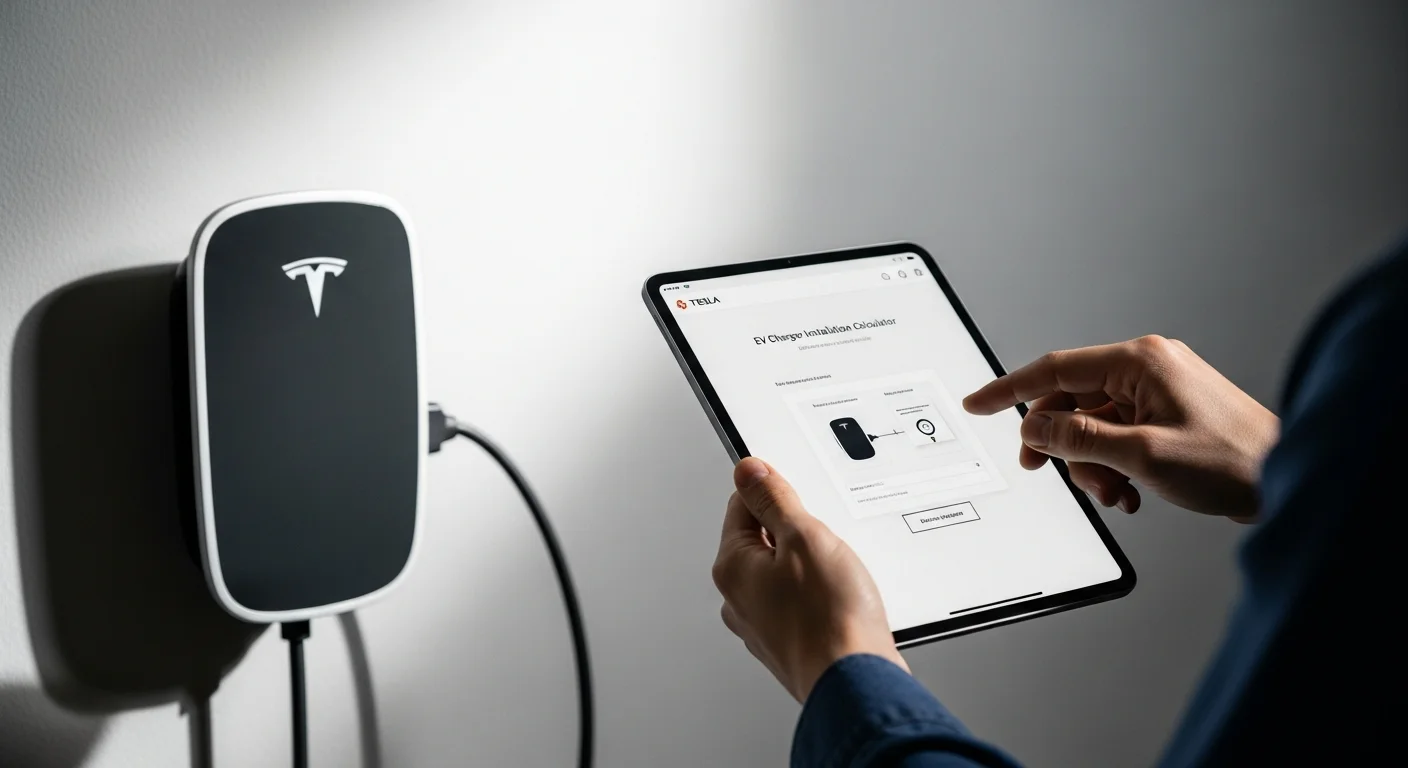
As we move through Winter 2026, the shift toward sustainable transportation has never been more evident on California roads. For many new owners, the transition begins with installing a dedicated tesla home charger to ensure their vehicle is always ready for the next adventure. Whether you are upgrading from a legacy vehicle or preparing for your first Model 3 or Model Y, understanding the nuances of home charging is essential.
The landscape of home energy management has evolved significantly in the last year. Modern charging solutions are now more integrated with smart home ecosystems and solar arrays than ever before. This guide provides the technical and financial clarity needed to make an informed decision for your residence.
Estimate Your Setup Costs Instantly
Use Our Installation Calculator →Home Charging Efficiency: Level 2 vs Level 1 Tesla charging
EV Charger Installation Calculator
Buy NowThe Limitations of Level 1
Level 1 charging utilizes a standard 120V household outlet. While convenient, it only provides roughly 2 to 3 miles of range per hour. This is often insufficient for modern daily commutes and long-distance travel preparation.
The Power of Level 2
Upgrading to a 240V Level 2 circuit drastically reduces charge times. Most owners see a full charge achieved overnight, providing up to 44 miles of range per hour. According to the U.S. Department of Energy, home charging accounts for nearly 80% of all EV power consumption.
Grid Integration in 2026
Modern Level 2 chargers now feature dynamic load balancing. This allows your home to manage peak electrical demands while prioritizing vehicle charging during off-peak hours when rates are lowest.
Choosing the Right tesla home charger for Your Model
Wall Connector Benefits
The Tesla Wall Connector is the premium choice for most homeowners. It offers Wi-Fi connectivity for over-the-air updates and power sharing capabilities for multi-Tesla households. For those seeking the best home charging station for Tesla Model Y, the Wall Connector remains the top recommendation for speed and reliability.
Universal Compatibility
With the adoption of the NACS standard by other manufacturers, your investment in a high-quality charging station adds long-term value to your property. It ensures that any future vehicle can utilize the same high-speed infrastructure.
Outdoor Installation Resilience
Modern hardware is designed for both indoor and outdoor use. The tempered glass faceplate and weatherproof enclosure ensure longevity even in diverse California microclimates.
2026 Installation Cost Analysis
Equipment and Material Prices
Hardware typically costs between $450 and $600. However, the total Tesla home charging installation cost 2026 includes high-quality copper wiring and specialized circuit breakers required by modern safety codes.
Labor and Permitting
Labor costs vary based on the distance between your electrical panel and the charger location. Expect professional installation by a certified electrician to range from $700 to $1,500 for standard setups. Permit fees in Orange County are a necessary component to ensure home insurance compliance.
Panel Upgrade Requirements
If your home currently has a 100-amp service, a panel upgrade to 200-amps may be necessary. This ensures you can run air conditioning, appliances, and your charger simultaneously without tripping the main breaker.
Want an accurate quote for your specific home?
Calculate Your Savings Now →Orange County Rebates and Incentives
Local Utility Credits
Southern California Edison and various municipal utilities offer specific Tesla home charger installation rebates Orange County residents should leverage. These can often cover up to $500 of the installation or hardware costs.
Federal Tax Incentives
According to Internal Revenue Service guidelines, the Alternative Fuel Vehicle Refueling Property Credit may still apply to certain residential installations, offering a 30% tax credit on the total cost.
Property Value Increase
A professionally installed charging station is increasingly viewed as a standard amenity for modern homes. Real estate experts note that "EV-ready" homes often sell faster in the competitive Southern California market.
The Professional Installation Process
Initial Site Assessment
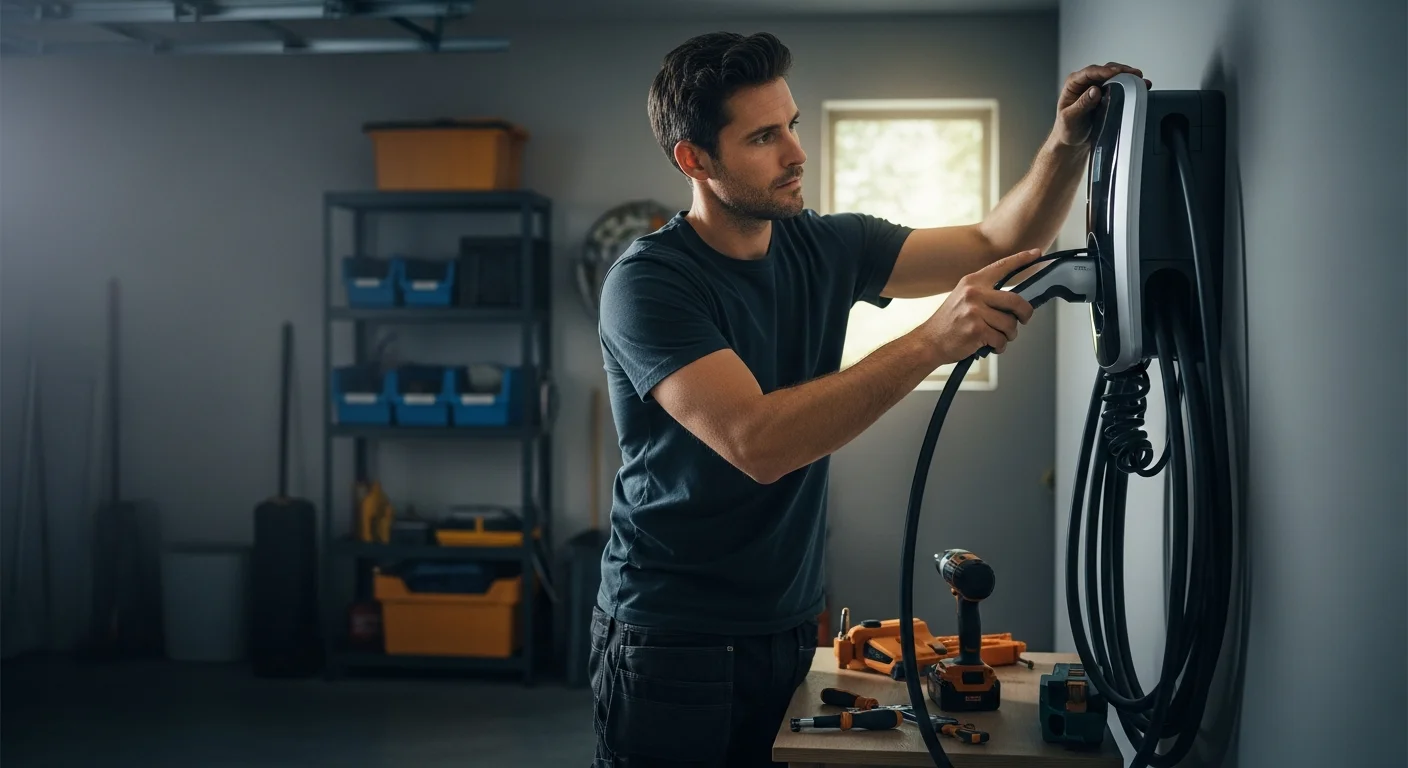
The first step in the Tesla charging station installation process involves a thorough load calculation. This determines if your current system can safely support the added 48-amp draw of a high-speed charger.
Permitting and Compliance
Professional installers handle the submission of plans to local building departments. This ensures that the installation meets the rigorous standards of the National Electrical Code (NEC).
Final Testing and Configuration
Once mounted and wired, the unit is commissioned using the Tesla Pros app. This sets the maximum output based on the circuit breaker size and connects the charger to your local Wi-Fi network.
Mobile Connector vs. Wall Connector
| Feature | Mobile Connector | Wall Connector |
|---|---|---|
| Max Power Output | 32 Amps | 48 Amps |
| Charging Speed | ~30 miles/hr | ~44 miles/hr |
| Connectivity | None | Wi-Fi / App Sync |
| Mounting | Plug-in | Hardwired |
The choice between the Tesla mobile connector vs wall connector often comes down to frequency of use. While the mobile connector is excellent for travel and emergencies, the hardwired wall connector offers superior performance and weather resistance for daily home use.
Explore the best charging hardware for 2026
Compare Models & Costs →
Frequently Asked Questions
Can I install a Tesla charger myself?
While possible for those with high electrical proficiency, it is strongly discouraged. Professional installation ensures safety, maintains hardware warranties, and is required for obtaining building permits and local utility rebates.
How long does the installation take?
A standard installation typically takes 3 to 5 hours. If a significant electrical panel upgrade is required, the project may span two days to include utility coordination and final inspections.
Is a permit required in Orange County?
Yes, almost all jurisdictions in Orange County require an electrical permit for installing new 240V circuits. This protects your home's resale value and ensures the work meets current safety codes.
Does charging at home damage the battery?
Charging at home via Level 2 is actually better for long-term battery health than frequent Supercharging. Home charging provides a slower, steadier current that generates less heat, preserving the lithium-ion cells over time.
What is the cost to charge Tesla at home 2026?
On average, charging at home costs about $0.15 to $0.30 per kWh depending on your utility plan. This makes driving an electric vehicle significantly cheaper than gasoline equivalents, especially during off-peak hours.
Conclusion
Investing in a dedicated tesla home charger is more than just a convenience; it is a critical component of the modern electric vehicle lifestyle. By selecting the right hardware and leveraging professional installation, you maximize both the performance of your car and the safety of your home infrastructure.
As technology continues to advance throughout 2026, staying ahead with a robust charging setup will provide peace of mind and financial benefits for years to come. Whether you are navigating the complexities of panel upgrades or applying for local rebates, expert guidance is your best asset in this transition.
About the Author

Written by William Corcoran, Orange County Home Savings Expert
William Corcoran has helped Orange County families save money on their homes for over 15 years. Specializing in property tax reduction and smart refinancing, he offers expert guidance you can trust. www.energybot.com www.energystar.gov
Related Articles
Ready to Find Your Savings?
Get a free personalized report showing all rebates and incentives your home qualifies for.
Get My Free Report