Energy Efficient Pool Heating 2026: Best Solutions for Lowering Utility Bills
Key Takeaways
- Heat pumps are up to 400 percent more efficient than traditional gas heaters.
- Inverter technology in 2026 models allows for ultra-quiet operation and lower energy draw.
- Using a calculator helps determine the exact ROI for switching your heating system.
- Proper sizing is the most critical factor for maintaining a constant water temperature.
As we embrace the Winter 2026 season, homeowners are increasingly prioritizing sustainability and cost-efficiency. Heating a swimming pool has traditionally been one of the largest home energy expenses, but modern technology is changing that narrative. By integrating a high-performance pool heat pump heater, you can enjoy a comfortable swimming temperature year-round without the staggering utility bills associated with legacy gas systems.
According to the U.S. Department of Energy, heat pumps use electricity to capture heat and move it from one place to another rather than generating heat directly. This fundamental shift in thermodynamics allows for incredible efficiency ratings. In the mild climate of Orange County, these systems perform exceptionally well, taking advantage of the ambient air temperature to keep your pool inviting.
Understanding the 2026 Pool Heat Pump Heater Technology
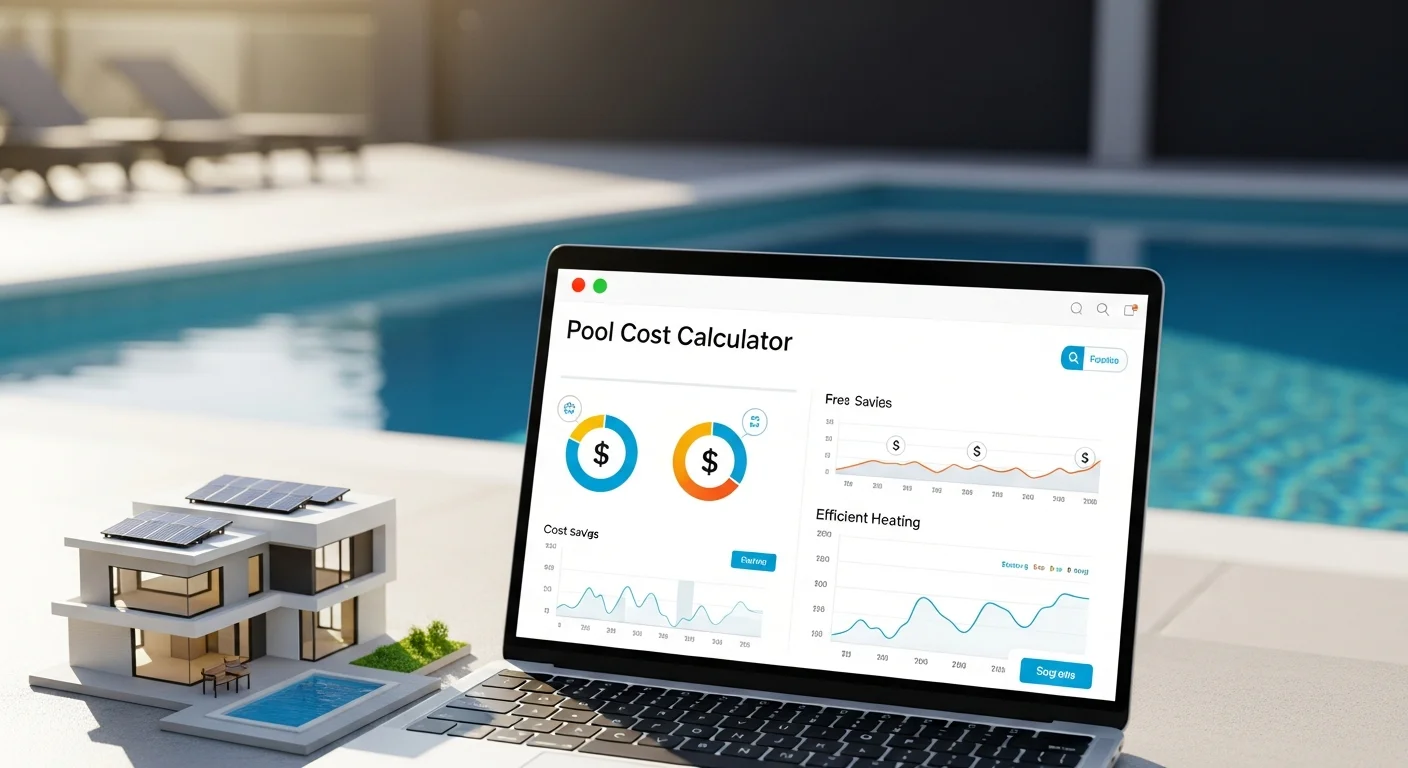
Pool Cost Calculator
Buy NowThe Rise of Inverter Technology
In 2026, the industry has seen a massive shift toward full-inverter technology. Unlike older on/off models, an inverter pool heat pump heater can adjust its compressor speed in 1% increments. This means the unit only uses the exact amount of energy required to maintain the temperature, rather than running at full blast and shutting off repeatedly.
Environmentally Friendly Refrigerants
Modern units now utilize next-generation refrigerants that have a significantly lower global warming potential. This makes them the preferred choice for eco-conscious homeowners looking for eco-friendly pool heating solutions. These refrigerants also improve the heat transfer rate, making the units more compact than ever before.
Want to see how much you could save this month?
Try Our Free Pool Savings Calculator →Pool Heat Pump vs Gas Heater: Cost and Performance
Operational Cost Comparison
While gas heaters provide rapid heating, their operational costs have skyrocketed alongside natural gas prices in early 2026. A heat pump, while slower to initially warm the water, maintains the temperature for a fraction of the cost. This makes it the best pool heater for energy savings over a full season.
| Feature | Heat Pump (2026) | Gas Heater |
|---|---|---|
| Energy Source | Electricity/Air Heat | Natural Gas/Propane |
| Annual Cost | Low ($300 - $700) | High ($1,500 - $3,000) |
| Environmental Impact | Low (Zero Emissions) | Higher (Combustion) |
Financial Benefits of Energy Efficient Pool Heating 2026
Long-Term ROI for Homeowners
The initial investment in a high-quality pump often pays for itself within 2 to 3 years. By focusing on lowering pool utility bills, homeowners can redirect those savings into other home improvement projects or simply enjoy a lower cost of living.
Ready to upgrade your efficiency?
Calculate Your Pool Pump Savings Now →Calculating Your Savings for the Winter Season
Understanding COP (Coefficient of Performance)
COP is the ratio of heat output to energy input. According to Wikipedia, a system with a COP of 5.0 produces 5 units of heat for every 1 unit of electricity. In 2026, many premium models achieve a COP of 6.0 or higher during standard operating conditions.
Using the OC Home Savings Tool
Our pool pump electricity cost calculator takes the guesswork out of upgrading. By inputting your pool volume, local utility rates, and desired temperature, you can see a side-by-side comparison of your current spending versus potential savings with a new system.
Maintenance Tips for Maximum Longevity
Airflow and Clearance
A heat pump requires significant airflow to function efficiently. Ensure there are no plants or structures within 2 feet of the intake and 5 feet above the discharge fan. This prevents the unit from "re-breathing" cold air, which drops efficiency.
Evaporator Coil Cleaning
Dust, salt, and debris can coat the evaporator coils. A simple rinse with a garden hose once a month keeps the heat transfer efficient. Following these pool heating maintenance tips 2026 ensures your unit lasts for its intended 10-15 year lifespan.
Ready to see the data for your specific pool?
Access the Calculator Here →Frequently Asked Questions
How long does it take for a pool heat pump to heat a pool?
Unlike gas heaters, heat pumps are designed for maintenance rather than rapid recovery. Depending on the size of the pool and ambient temperature, it typically takes 24 to 72 hours to bring a pool up to temperature from a cold start, after which it maintains that temperature efficiently.
Can a pool heat pump heater work in the winter?
Yes, most modern pool heat pump heater models are designed to operate in temperatures as low as 40 to 50 degrees Fahrenheit. For Orange County residents, this means the unit can provide consistent heat throughout the entire winter season.
Are pool heat pumps noisy?
With the advancement of inverter technology and scroll compressors, 2026 models are exceptionally quiet. Many operate at decibel levels similar to a household dishwasher, making them much quieter than traditional gas heaters or older pump models.
Is it worth replacing a working gas heater with a heat pump?
If you use your pool frequently, the answer is usually yes. The monthly operational savings are so significant that the utility bill reduction often offsets the monthly payment of a financed installation, resulting in immediate cash-flow benefits.
Do I need a pool cover if I use a heat pump?
While not required, a pool cover is highly recommended. Heat pumps work by adding heat, while covers prevent heat from escaping via evaporation. Using both together can reduce your energy consumption by an additional 50% to 70%.
Conclusion
Investing in a pool heat pump heater is one of the smartest upgrades a homeowner can make in 2026. By leveraging the latest in compressor technology and energy-efficient designs, you can extend your swimming season indefinitely without the burden of high costs. As utility rates continue to fluctuate, the stability and efficiency of a heat pump provide both financial peace of mind and environmental benefits.
Take the first step toward a more efficient backyard by utilizing our specialized tools to understand your specific energy profile. The data shows that the transition to electric heating is not just a trend, but the new standard for luxury home maintenance. Visit Orange County Home Savings today to explore how much you can save with a modern heating solution.
About the Author

Written by William Corcoran, Orange County Home Savings Expert
William Corcoran has helped Orange County families save money on their homes for over 15 years. Specializing in property tax reduction and smart refinancing, he offers expert guidance you can trust. www.energybot.com www.energystar.gov
Related Articles

Ready to Find Your Savings?
Get a free personalized report showing all rebates and incentives your home qualifies for.
Get My Free Report