Lower Your 2026 Property Tax Bill: Expert Strategies for Assessment Appeals and Savings
Key Takeaways
- Property tax assessments in 2026 may not reflect the actual market value of your home.
- Homeowners can use specialized digital tools to estimate potential savings before filing.
- A successful appeal requires specific evidence such as comparable sales and appraisal data.
- Missing the strict filing deadlines for 2026 can result in losing your right to an appeal.
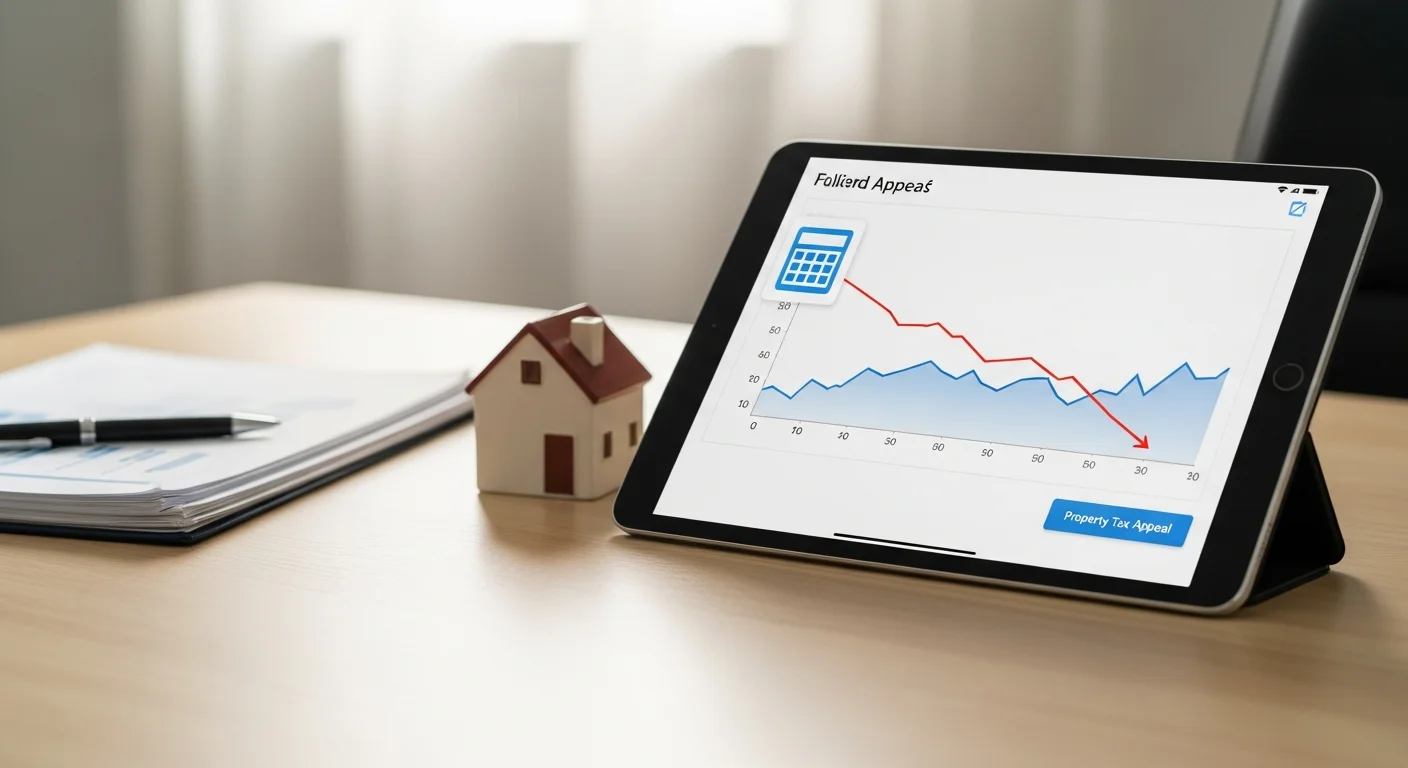
As we navigate through Winter 2026, many homeowners in Orange County are receiving their updated assessment notices. Unfortunately, these valuations often fail to account for hyper-local market shifts or specific property conditions. By utilizing a tax back calculator, you can quickly determine if your current tax bill aligns with the true fair market value of your residence.
The property tax system is complex, and mistakes by the assessor's office are more common than most people realize. According to the California State Board of Equalization, property owners have the right to challenge these assessments if they believe the market value is lower than the assessed value. This process is essential for maintaining financial fairness in 2026.
Understanding the 2026 Property Tax Appeal Process
Property Tax Appeal Calculator
Buy NowThe Assessment Foundation
In California, property taxes are largely governed by Proposition 13, but annual adjustments and reassessments still occur. In Winter 2026, many homes are being valued based on data that might be outdated or inaccurate. Understanding how your local assessor arrived at your specific figure is the first step toward a successful reduction.
Filing Your Application
To initiate a formal challenge, you must file an Assessment Appeal Application with your county's Clerk of the Board. This document officially notifies the county that you disagree with the value placed on your property for the 2026 tax year. Precision in this filing is critical to avoid immediate rejection of your claim.
Want to see how much you could save on your 2026 taxes?
Try Our Savings Calculator Now →How to Use a tax back calculator for Savings
Estimating Market Discrepancies
A modern tax back calculator functions by comparing your current assessment against recent sales of similar homes in your immediate neighborhood. By inputting your address and current tax amount, you can receive an instant estimate of whether your home is overvalued. This data serves as a powerful preliminary check before you invest time in the full appeal process.
Identifying Potential Refund Amounts
Many homeowners are surprised to find that even a 5% or 10% discrepancy in valuation can lead to thousands of dollars in annual savings. These tools help visualize the impact of a successful appeal on your monthly mortgage payments and overall household budget for 2026 and beyond.
Common Signs of Property Tax Overassessment
Inaccurate Property Data
According to Wikipedia's entry on property tax, clerical errors regarding square footage or the number of bedrooms are frequent causes of overassessment. If the county records show your home is larger than it actually is, your tax bill will be artificially inflated.
Recent Neighborhood Sale Trends
If several homes on your street have recently sold for less than your assessed value, it is a strong indicator that you are paying too much. The market conditions in Winter 2026 may differ significantly from the period when your property was last officially appraised by the county.
| Appeal Stage | Key Action Required |
|---|---|
| Discovery | Compare assessment to current local market data. |
| Analysis | Identify errors in property records or condition issues. |
| Submission | File the 2026 appeal application before the deadline. |
Key Evidence Needed for a Successful Appeal
Comparable Sales Data (Comps)
The most persuasive evidence you can provide is a list of 3-5 comparable properties that sold recently. These properties should be similar in age, size, and location. Using a tax back calculator can often help you identify these specific sales faster than searching manual records.
Documenting Property Damage
If your home has significant structural issues, foundation problems, or outdated interiors that lower its value compared to renovated neighbors, you must provide photos and repair estimates. The assessor's office assumes every home is in "average" condition unless you prove otherwise.
Ready to challenge your assessment? Start with our free evaluation tool.
Check Your Property Today →Deadlines and Timelines for Winter 2026 Challenges
Important Filing Dates
Deadlines vary by county, but most California homeowners must file their 2026 appeals between July and November. However, certain supplemental assessments triggered by recent purchases or construction have unique 60-day windows that must be strictly followed to remain eligible for savings.
Post-Filing Expectations
Once your application is submitted, the wait for a hearing can last several months. During this period, you must continue to pay your taxes based on the original assessment. If you win your case, you will receive a refund for the overpaid amount, often with interest included.
Frequently Asked Questions
Can filing an appeal increase my property taxes?
While technically possible, it is extremely rare for an appeal to result in a higher tax bill. The primary purpose of the hearing is to determine if the current assessment exceeds the fair market value. Most experts recommend only filing if you have clear evidence of overvaluation.
How long does the refund process take?
After a successful hearing or settlement, the county tax collector typically issues a refund within 60 to 90 days. This timeline can vary depending on the specific administrative workload of your local county office in 2026.
Do I need to hire a lawyer for a property tax appeal?
No, homeowners are permitted to represent themselves. However, many choose to work with property tax consultants who understand the specific nuances of the 2026 market and can handle the complex data gathering required for a win.
What if I recently bought my house?
Recent purchases often trigger a supplemental assessment. If you believe you paid more than the house is actually worth—perhaps due to a bidding war—you can still challenge the new assessed value based on current comparable sales.
Is there a cost to file an appeal?
Most counties charge a nominal filing fee, often ranging from $30 to $100. This is a small investment compared to the potential thousands of dollars in savings identified by a reliable property tax tool.
In conclusion, ensuring you are not overpaying on your property taxes is a vital part of financial management in Winter 2026. By utilizing a tax back calculator early in the year, you can approach the appeal process with confidence and data-backed evidence.
Don't let an inaccurate assessment drain your savings. Take a proactive approach to your 2026 property taxes today by verifying your home's value and preparing for a successful challenge. The savings you secure now will benefit your household for years to come.
Stop overpaying for your property taxes. Calculate your potential refund today.
Calculate Your Savings →About the Author

Written by William Corcoran, Orange County Home Savings Expert
William Corcoran has helped Orange County families save money on their homes for over 15 years. Specializing in property tax reduction and smart refinancing, he offers expert guidance you can trust. www.energybot.com www.energystar.gov
Related Articles

Ready to Find Your Savings?
Get a free personalized report showing all rebates and incentives your home qualifies for.
Get My Free Report