Measuring Your Home's Slope: A 2026 Guide to Precise Roofing Estimates
Key Takeaways
- Roof pitch is the ratio of vertical rise to horizontal run and is essential for material estimation
- Higher roof slopes increase labor costs due to safety requirements and complexity
- Cool roof rebates in 2026 depend heavily on accurate slope measurements
- Accurate pitch data prevents over-ordering materials and helps in solar panel planning
Planning a home improvement project in Winter 2026 requires more than just picking a color; it demands precise technical data. Using a roof pitch calculator is the first critical step for any homeowner in Orange County looking to upgrade their exterior. Whether you are aiming for a modern aesthetic or trying to maximize energy efficiency, the steepness of your roof dictates everything from the type of underlayment required to the final labor quote from your contractor.
Understanding your roof's geometry helps eliminate the guesswork that often leads to budget overruns. In the current 2026 market, material costs are sensitive to waste percentages, and an accurate measurement ensures you only buy what you need. Furthermore, for those interested in sustainable living, the angle of your roof directly impacts the performance of cool roof coatings and solar arrays.
How to Calculate Roof Pitch for Replacement
Roof Replacement Calculator
Buy NowUnderstanding the Rise and Run Formula
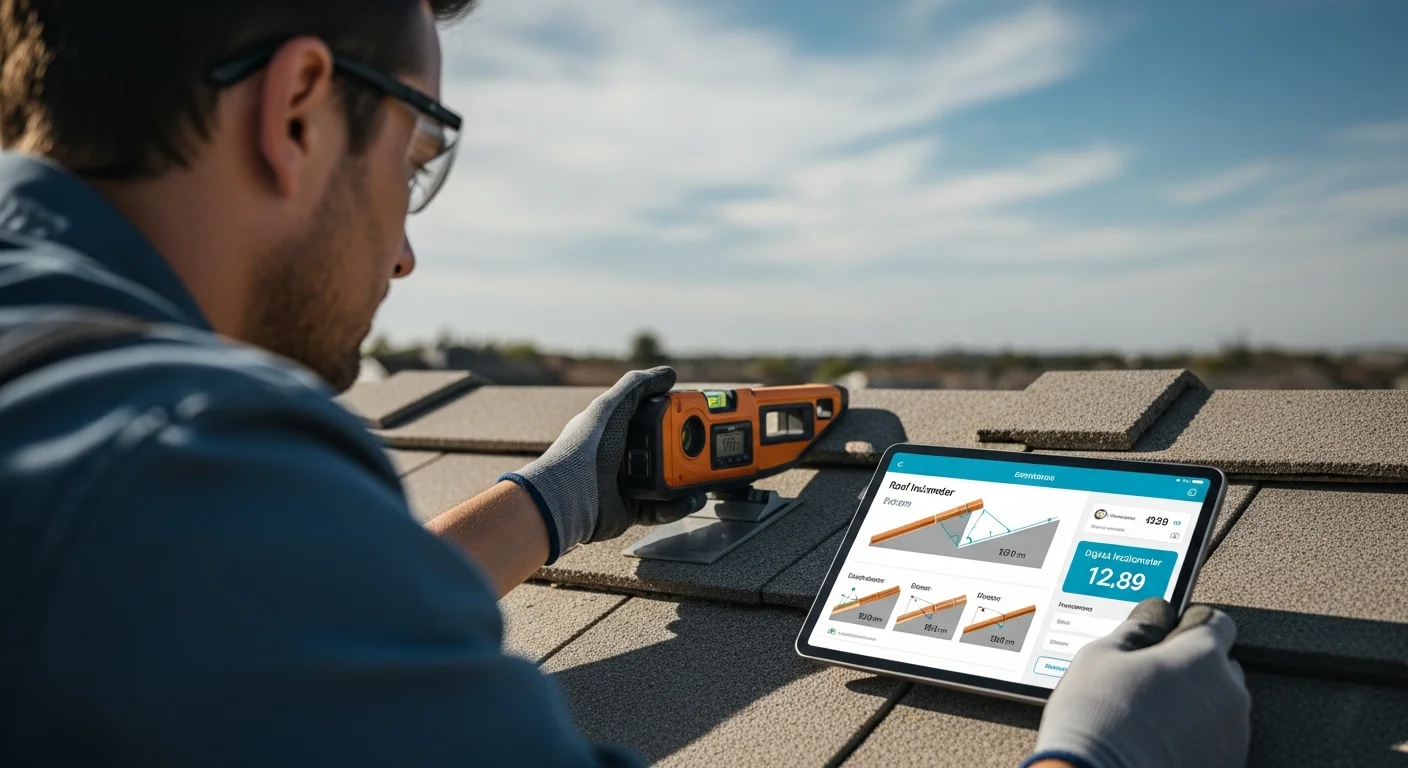
The standard method to determine slope is the "rise over run" formula. According to Wikipedia's roof pitch documentation, the run is typically a horizontal distance of 12 inches, while the rise is the vertical height gained over that distance. For example, a 4/12 pitch means the roof rises 4 inches for every 12 inches of horizontal length.
DIY Measurement Techniques
Homeowners can measure this from the attic by placing a level against a rafter and measuring the vertical distance from the 12-inch mark on the level to the rafter. However, using a digital roof pitch calculator is often safer and more accurate for those who prefer not to navigate cramped attic spaces or climb ladders.
Want an instant estimate for your 2026 roof replacement?
Use Our Free Cost Calculator →Roof Replacement Cost Factors in 2026
Surface Area Expansion
As the pitch increases, the actual surface area of the roof grows, even if the building's footprint remains the same. A 12/12 pitch roof has significantly more square footage than a 4/12 roof on the same house. This means more shingles, more underlayment, and more nails are required to finish the job.
Complex Geometry and Waste
Steep roofs often feature gables, dormers, and valleys. These architectural details require complex cuts, leading to a higher waste factor. Standard roofing cost estimator tools for 2026 suggest adding 10% to 15% to your material order to account for this inevitable scrap.
Cool Roof Rebates and Slope Requirements
California Title 24 Compliance
According to the California Energy Commission, modern building codes require specific solar reflectance values for new roofs. Steep-sloped roofs (greater than 2:12) have different standards than low-sloped roofs. Meeting these standards is essential for unlocking local utility rebates in Orange County.
Maximizing Energy Savings
A cool roof reflects more sunlight and absorbs less heat. Research from the ENERGY STAR program highlights that reflective materials can reduce roof surface temperatures by up to 50 degrees Fahrenheit. The angle of your roof influences how effectively these materials shed heat throughout the day.
| Roof Pitch Category | Typical Material Use | Cost Impact |
|---|---|---|
| Flat (0/12 to 2/12) | TPO, PVC, EPDM | Lower labor, higher material per sq. |
| Standard (4/12 to 8/12) | Asphalt Shingles | Baseline Industry Standard |
| Steep (9/12 and above) | Slate, Tile, Metal | Significant Safety/Labor Premium |
Curious about cool roof rebates in Orange County?
Check Your Rebate Eligibility →Roofing Shingles for Steep Slopes
The Advantage of Asphalt
For standard pitches, asphalt shingles remain the most cost-effective choice in 2026. They are designed to interlock and shed water efficiently at angles above 4/12. When using a roof pitch calculator, you may find that your roof allows for architectural shingles, which provide better wind resistance and depth.
Metal and Tile Considerations
Steeper slopes are ideal candidates for metal roofing or clay tiles. These materials are heavier but offer superior longevity. However, they require specific installation techniques on high pitches to prevent sliding and ensure a watertight seal during rare Southern California winter storms.
Roofing Safety for High Pitch Roofs
Fall Protection Requirements
As specified by OSHA fall protection standards, roofing on steep slopes requires specialized safety equipment. Contractors must use harnesses, anchors, and sometimes toe boards to ensure worker safety. These precautions increase the time spent on the job, which is reflected in your labor costs.
Handling and Staging Materials
On a flat roof, material can be staged easily. On a steep slope, every bundle of shingles must be secured carefully. This logistical challenge means that even if the material cost is the same, the execution cost for a steep roof will always be higher in any 2026 roofing estimate.
Frequently Asked Questions
What is the most common roof pitch for residential homes?
Most modern residential homes feature a pitch between 4/12 and 9/12. This range is popular because it allows for effective water drainage and attic space while remaining safe for standard roofing crews to walk on during maintenance.
How does roof pitch affect solar panel efficiency?
According to Department of Energy solar research, the ideal angle for solar panels is usually equal to the latitude of the installation site. In Southern California, a pitch of approximately 7/12 (around 30 degrees) is often optimal for year-round energy production.
Can I change my roof pitch during a replacement?
While possible, changing the pitch of your roof is a major structural alteration. It requires new rafters, updated permits, and significant engineering work, often doubling or tripling the cost of a standard replacement.
Is a steeper roof more expensive to insure?
Typically, no. Steeper roofs often have better wind resistance and shed water faster, which can reduce the risk of leaks and ice dams. However, the higher cost to repair or replace a steep roof might lead to slightly higher premiums in some markets.
Are there cool roof materials for flat roofs?
Yes, flat or low-sloped roofs frequently use TPO (Thermoplastic Polyolefin) or PVC membranes. These are inherently reflective and meet the strict 2026 California standards for cool roof rebates even with a 0/12 pitch.
In conclusion, accurately determining your home's slope is the foundation of a successful exterior renovation. By utilizing a roof pitch calculator, you gain the leverage needed to negotiate with contractors and ensure you are taking full advantage of the 2026 rebates available in Orange County.
Whether you are preparing for a solar installation or simply refreshing your home's curb appeal, understanding the technical aspects of your roof ensures a smoother, more cost-effective project. Don't leave your estimates to chance; use professional tools to secure your home's future today.
Ready to start your roofing project with confidence?
Access the Roof Replacement Calculator →About the Author

Written by William Corcoran, Orange County Home Savings Expert
William Corcoran has helped Orange County families save money on their homes for over 15 years. Specializing in property tax reduction and smart refinancing, he offers expert guidance you can trust. www.energybot.com www.energystar.gov
Related Articles
Ready to Find Your Savings?
Get a free personalized report showing all rebates and incentives your home qualifies for.
Get My Free Report