Residential Wind Power Systems: Evaluating Efficiency and Cost for Homeowners in 2026
Key Takeaways
- Residential wind systems require average wind speeds of at least 9 to 10 miles per hour to be economically viable
- Federal tax credits in 2026 significantly offset the initial installation costs of small wind turbines
- A professional site assessment is critical to determine the best height and placement for maximum energy production
- Integrating wind power can substantially improve your property Home Energy Score and overall market value
As we move through Winter 2026, many property owners are looking for innovative ways to reduce utility bills and increase self-sufficiency. The interest in wind power for homes has surged as turbine technology becomes more compact and efficient for urban and rural settings. Understanding how these systems work and whether they fit your specific property is the first step toward a greener future.
While solar energy has traditionally dominated the residential market, new developments in small-scale wind technology offer a compelling alternative or supplement. By harnessing the kinetic energy of moving air, homeowners can generate electricity around the clock, not just when the sun is shining. This guide explores the modern landscape of home-based wind energy solutions.
Basics of Residential Wind Power Systems
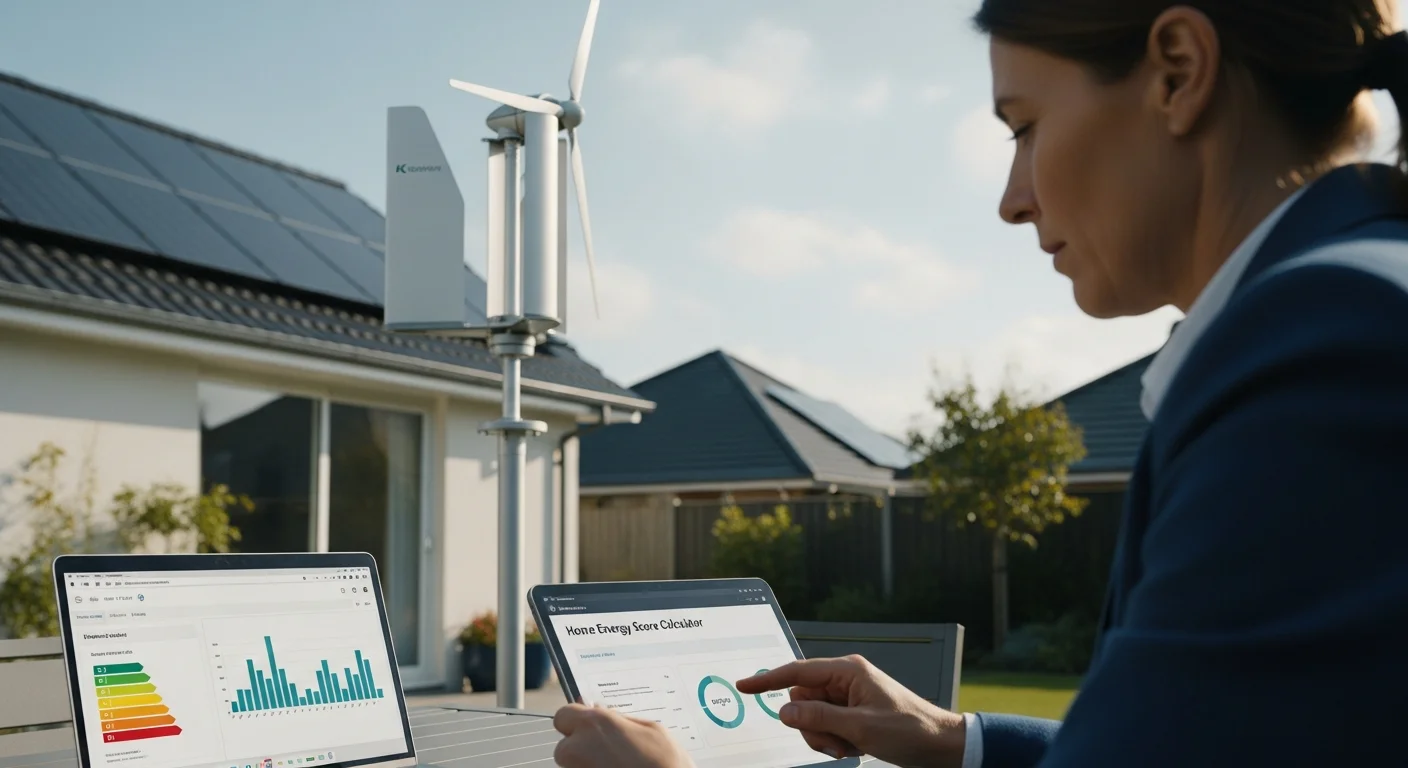
Home Energy Score Calculator
Buy NowHow Small Wind Turbines Work
A residential wind turbine works on a simple principle: the wind turns blades, which spin a shaft connected to a generator. This process converts kinetic energy into electricity that can power your home appliances or be stored in batteries for later use. Modern residential wind power systems are designed to be quieter and more durable than their predecessors.
Horizontal vs. Vertical Axis Turbines
Most homeowners choose between horizontal-axis wind turbines (HAWT) and vertical-axis wind turbines (VAWT). HAWTs are the traditional "propeller" style and are generally more efficient, while VAWTs are often preferred in areas with turbulent wind patterns because they can catch wind from any direction.
Is Wind Power Worth It for Homeowners in 2026?
Analyzing the Cost vs. Reward
According to the U.S. Department of Energy, a small wind system can provide a return on investment within 10 to 15 years depending on local wind speeds and electricity rates. With the renewable energy tax credits 2026 offers, the initial capital expenditure is lower than ever before.
Want to see how renewable energy affects your home value?
Calculate Your Home Energy Score Now →Site Assessment and Wind Resources
Before purchasing equipment, you must determine if your location has enough wind. As noted by the National Renewable Energy Laboratory (NREL), local topography and nearby obstructions like trees or buildings can significantly impact wind flow.
Wind Power vs Solar Panels for Homes
Daytime vs. Nighttime Production
The primary advantage when discussing wind power vs solar panels for homes is the duration of generation. Solar panels only work during daylight hours, whereas wind turbines can generate power 24/7, provided the wind is blowing. This makes wind a superior choice for supplemental power during winter months when daylight is scarce.
| Factor | Solar Power | Wind Power |
|---|---|---|
| Operational Time | Daylight only | 24/7 (wind dependent) |
| Maintenance | Very Low | Moderate (moving parts) |
| Space Req. | Roof or ground mount | Height/clearance req. |
Practical Wind Power for Homes
Permitting and Zoning Laws
One of the most common problems with residential wind turbines isn't technical, but legal. Many municipalities have height restrictions or noise ordinances. It is vital to check with your local planning department regarding the installation of wind power for homes to ensure you stay compliant with 2026 zoning updates.
Maintenance Requirements
Unlike solar panels, turbines have moving parts that require annual inspections. Checking bolts, lubricating bearings, and inspecting blades for wear are essential tasks to ensure longevity. Proper maintenance ensures your system continues to produce power efficiently for over 20 years.
Ready to optimize your home efficiency for 2026?
Get Your Expert Energy Rating →Maximizing Residential Wind Turbine Efficiency
The Importance of Tower Height
Wind speed increases with height. Increasing a turbine's tower height from 30 feet to 60 feet can more than double the power output. According to Wikipedia, residential turbines usually perform best when situated at least 30 feet above any surrounding obstacles within a 300-foot radius.
Battery Storage Integration
Integrating a battery backup system allows you to capture excess power generated during high-wind events. This is particularly useful for off-grid home wind power setups where reliability is paramount. In 2026, lithium-sulfur battery technology has made storage more affordable for the average homeowner.
Wind Power and Your Home Energy Score
Boosting Property Valuation
A Home Energy Score is a standard rating that reflects the energy efficiency of a home. Adding renewable sources like wind power can significantly raise this score, making your property more attractive to buyers who prioritize sustainability and low operating costs.
Reducing Carbon Footprint
By utilizing wind power for homes, you directly decrease reliance on fossil-fuel-based grid power. This reduction in carbon emissions is a key factor in modern residential assessments and aligns with global climate goals for 2026 and beyond.
Frequently Asked Questions
How much wind does a home turbine actually need?
Most residential turbines require a minimum "cut-in" speed of 6-9 mph. To see a significant return on investment, your site should ideally average at least 10-12 mph throughout the year.
Are residential wind turbines noisy?
Modern designs have significantly reduced noise levels. A well-installed turbine typically produces a sound level of 40-50 decibels, which is similar to a quiet conversation or a running refrigerator.
Can I install a wind turbine in a suburban neighborhood?
It depends on your local HOAs and zoning laws. While technically possible, many suburban areas have restrictions. Smaller, roof-mounted vertical turbines are often more acceptable in dense residential settings.
What is the lifespan of a residential wind turbine?
With regular maintenance, most high-quality turbines are designed to last between 20 and 25 years. Major components like generators or bearings may need replacement once during that period.
Will a wind turbine work during a power outage?
Only if your system includes a battery storage bank and an off-grid inverter. Standard grid-tied systems usually shut down during an outage for safety reasons unless configured otherwise.
Stop guessing your energy efficiency rating.
Use the Home Energy Score Calculator →Deciding to implement wind power for homes is a major step toward energy independence in 2026. By carefully assessing your site wind resources and understanding the local regulatory landscape, you can make an informed decision that benefits both your wallet and the environment. Combining wind with other efficiency measures is the gold standard for modern home management.
Whether you choose a full-scale turbine or a hybrid solar-wind system, the key to success is professional installation and ongoing maintenance. As utility costs continue to fluctuate, having a reliable, renewable source of energy provides peace of mind and long-term financial stability for your household.
About the Author

Written by William Corcoran, Orange County Home Savings Expert
William Corcoran has helped Orange County families save money on their homes for over 15 years. Specializing in property tax reduction and smart refinancing, he offers expert guidance you can trust. www.energybot.com www.energystar.gov
Related Articles
Ready to Find Your Savings?
Get a free personalized report showing all rebates and incentives your home qualifies for.
Get My Free Report