Heat Pump Water Heater Cost and Rebates: A Guide to High Efficiency Water Heater Benefits
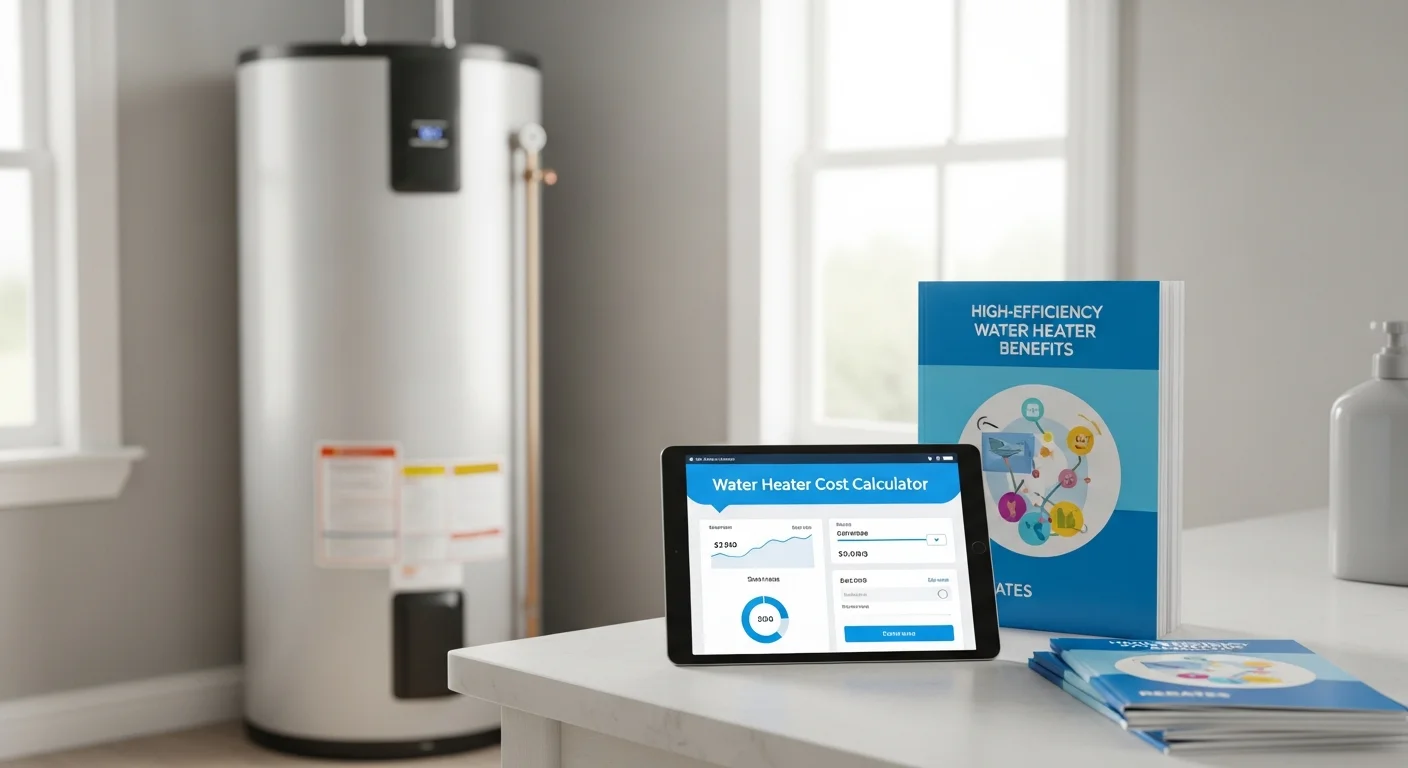
Key Takeaways
- California offers significant rebates for switching to heat pump water heaters
- High efficiency units can lower monthly energy bills by up to seventy percent
- Federal tax credits provide additional financial relief for new installations
- Modern systems require less maintenance and offer longer lifespans than old tanks
Upgrading your home's infrastructure is a significant decision that impacts both your comfort and your wallet. As homeowners increasingly seek sustainable alternatives to traditional gas appliances, the concept of a waterless tank heater has gained traction as a more efficient way to manage domestic hot water needs. These systems, alongside modern heat pump technology, represent the future of residential energy management.
Orange County residents are uniquely positioned to benefit from a variety of local and state-level incentives. By understanding the technology and the available financial support, you can transition to a more reliable system while significantly reducing your carbon footprint. This guide explores the financial and operational benefits of making the switch today.
Understanding Heat Pump Water Heater Rebates
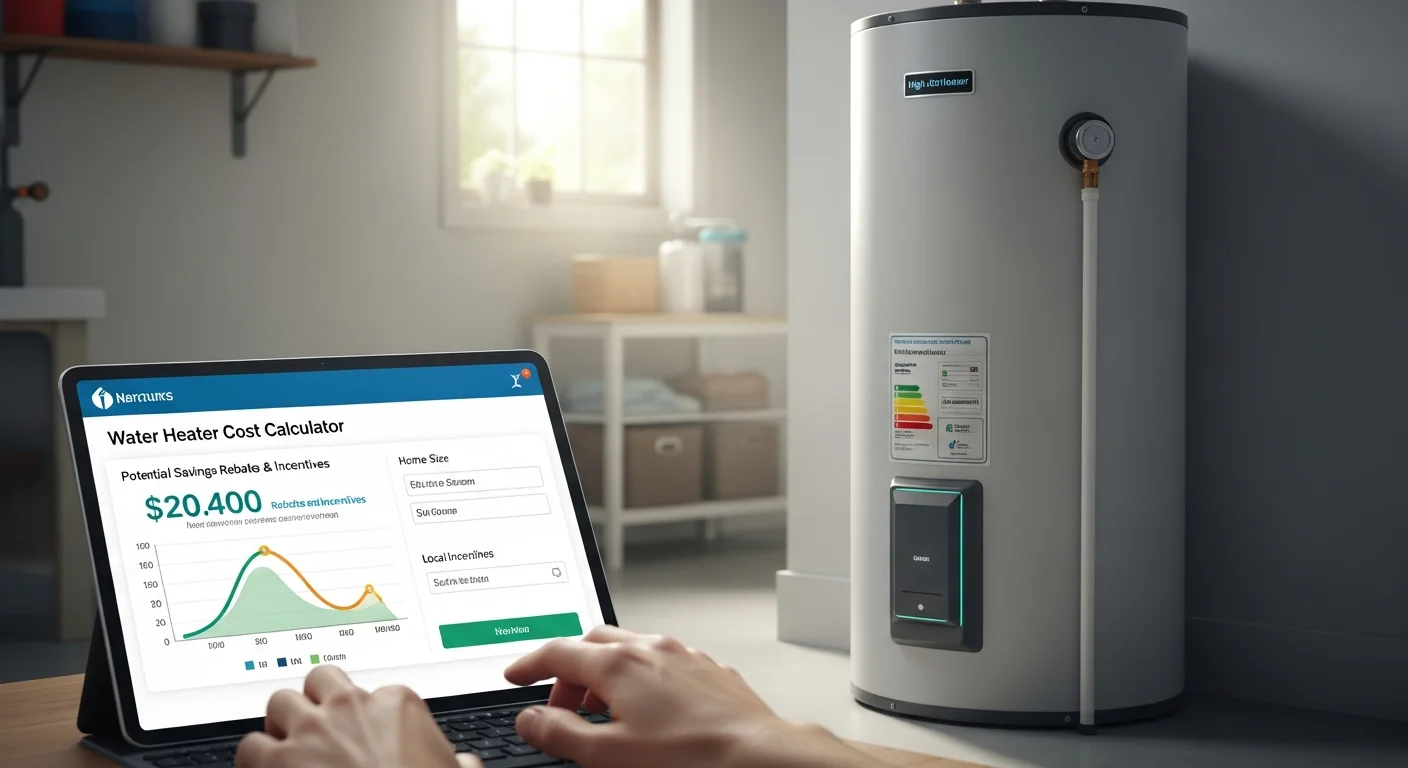
Water Heater Cost Calculator
Buy NowFederal Tax Credits for Homeowners
The Inflation Reduction Act has introduced substantial federal tax credits for energy-efficient upgrades. According to the Internal Revenue Service, homeowners can claim a credit of up to 30% of the project cost for heat pump installations. This makes high-end equipment far more accessible for the average household budget.
State-Specific Incentives in California
California is a leader in electrification, offering programs like TECH Clean California. These incentives are designed to bridge the gap between traditional units and high-efficiency models. Many utility providers also offer point-of-sale discounts that instantly lower the purchase price of your new unit.
The Efficiency of a Waterless Tank Heater System
How Flow-Based Systems Work
A waterless tank heater, commonly referred to as a tankless unit, heats water on demand rather than storing a large volume of hot water constantly. This eliminates standby heat loss, which occurs when a traditional tank loses heat to its surroundings. By only heating water when you need it, you save energy and ensure an endless supply.
Heat Pump Integration
While a waterless tank heater is highly efficient, combining it with heat pump technology can further enhance performance. Heat pumps move heat rather than generating it, using significantly less electricity. This dual-approach is often the gold standard for modern, eco-friendly homes.
Want to see how much you can save? Use our interactive tool!
Open Rebate Calculator →Comparing Tankless vs Tank Water Heater Performance
Space and Durability
Traditional tanks are bulky and typically last 10-15 years. In contrast, modern high-efficiency units are compact and can last over 20 years with proper maintenance. This longevity makes them a superior long-term investment for any property owner.
Performance Metrics
| Feature | Standard Tank | Heat Pump / Tankless |
|---|---|---|
| Energy Use | High | Low (up to 70% less) |
| Hot Water Supply | Limited by tank size | Continuous supply |
| Space Req. | Large floor area | Minimal / Wall mounted |
Calculating Your Heat Pump Water Heater Cost
Upfront Investment vs. ROI
The initial heat pump water heater cost is typically higher than a gas unit, but the return on investment is swift. When you factor in a waterless tank heater system's energy reduction, most families break even within 3 to 5 years. This doesn't even account for the immediate cash back from state programs.
Installation Considerations
According to the U.S. Department of Energy, heat pump units need adequate ventilation and space to draw heat from the air. Professional installation ensures that your system operates at peak efficiency and complies with local building codes.
Ready to upgrade? Check the latest 2024 rebates now.
Calculate Rebate Value →California Water Heater Rebates 2024
Orange County Specific Programs
Local agencies often provide additional layer-able incentives. By combining these with federal credits, you might find that a high-end waterless tank heater or heat pump costs less than a basic replacement. The Tech Clean California initiative provides up-to-date lists of participating contractors.
Qualification Requirements
To qualify for the maximum rebate amount, the equipment must usually be ENERGY STAR certified. Ensuring your installer is licensed and submits the paperwork correctly is critical to receiving your funds without delay.
Energy Savings with Heat Pump Water Heaters
Lowering Monthly Utility Bills
Data from ENERGY STAR suggests that a heat pump water heater can save a family of four hundreds of dollars annually. Unlike electric resistance heaters, these units are incredibly effective in California's mild climate, where they can easily pull heat from the surrounding air.
Reducing Carbon Emissions
Switching away from gas contributes to a cleaner environment. By utilizing renewable electricity sources, your home becomes part of the solution for a sustainable energy future, reducing your household's overall carbon output significantly.
Frequently Asked Questions
What is the difference between a tankless and a heat pump water heater?
A tankless unit (often called a waterless tank heater) heats water instantly as it flows, while a heat pump unit uses electricity to move heat from the air into a storage tank. Both are significantly more efficient than traditional electric or gas tanks.
How much can I actually save with California rebates?
Depending on your location and income level, combined rebates and tax credits can cover between $2,000 and $5,000 of the total cost. This often reduces the net price of a premium unit to that of a standard one.
Are heat pump water heaters loud?
Modern heat pump water heaters operate at a sound level similar to a background hum of a refrigerator. They are significantly quieter than older models and generally unnoticed if installed in a garage or utility closet.
Do I need to upgrade my electrical panel?
In some cases, switching from gas to a high-efficiency electric unit may require a 240V circuit. However, many new 120V heat pump models are being released that plug into standard outlets, avoiding expensive panel upgrades.
How long does the installation process take?
Most professional plumbers can complete a standard replacement within 4 to 6 hours. If complex electrical work or ducting is required, it may take a full day to ensure everything is calibrated correctly.
Deciding on a waterless tank heater or a high-efficiency heat pump is a proactive step toward home modernization. With the current landscape of incentives, there has never been a more financially viable time to make the transition. By leveraging local expertise and online tools, you can navigate the process with confidence.
At Orange County Home Savings, we specialize in helping homeowners identify every possible dollar of savings. Whether you are looking for long-term energy savings or immediate cash rebates, our calculator provides the clarity you need to move forward. Take control of your home's energy future today.
Ready to maximize your Orange County home savings? Click below!
Start Your Calculation →About the Author

Written by William Corcoran, Orange County Home Savings Expert
William Corcoran has helped Orange County families save money on their homes for over 15 years. Specializing in property tax reduction and smart refinancing, he offers expert guidance you can trust. www.energybot.com www.energystar.gov
Related Articles
Ready to Find Your Savings?
Get a free personalized report showing all rebates and incentives your home qualifies for.
Get My Free Report