Backyard Guest House Costs: A Complete Guide to Building a Secondary Dwelling Unit
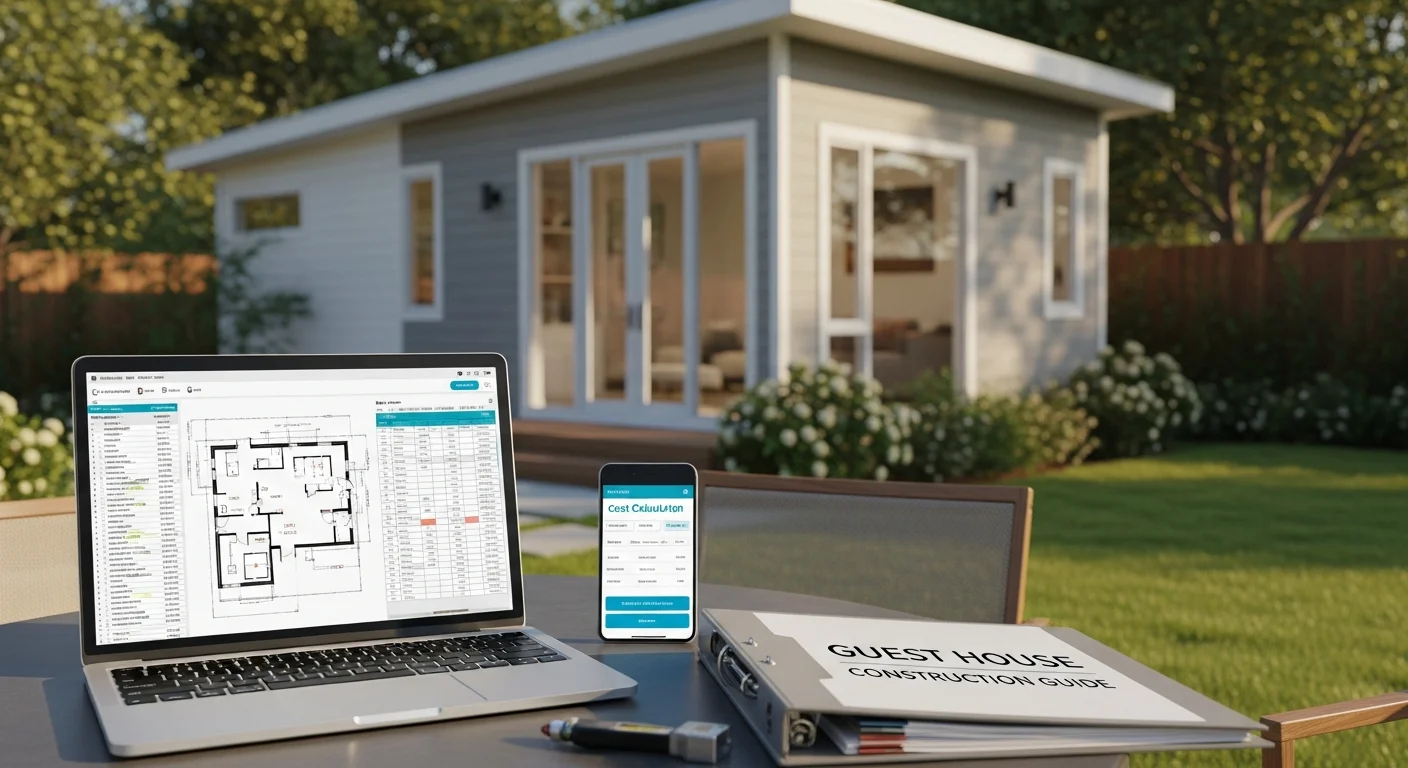
Key Takeaways
- Construction costs vary significantly based on unit size and local permitting fees
- California state laws have streamlined the approval process for secondary homes
- Detached units generally offer better privacy and higher rental income potential
- Financing options like HELOCs can help cover the initial investment costs
Housing flexibility has become a top priority for homeowners in Orange County. An Accessory Dwelling Unit, commonly referred to as an ADU, provides a versatile solution for families needing extra space or individuals seeking passive income. Understanding the financial commitment required is the first step toward a successful build.
Many residents find themselves overwhelmed by the technicalities of zoning and labor costs. However, by breaking down the Accessory Dwelling Unit costs into manageable categories, you can create a realistic roadmap. This guide explores the essential components of building a secondary residence on your property.
Want an instant estimate for your project?
Try Our Cost Calculator →Estimating Your Secondary Dwelling Unit Budget
ADU / Granny Flat Cost Calculator
Buy NowBreakdown of Hard Costs
Hard costs typically include everything from foundation work to roofing. In California, backyard cottage construction price averages range from $250 to $450 per square foot depending on finishes. Higher-end materials and custom designs will naturally push these figures toward the upper limit.
Factoring in Soft Costs
Soft costs are often overlooked but can account for 10% to 15% of the total budget. These include architectural fees, structural engineering reports, and environmental assessments. According to the California Department of Housing and Community Development, streamlining these processes is a major goal of recent legislation.
Site Preparation and Utilities
Connecting your new unit to existing sewer, water, and electrical lines can be a significant expense. If your main panel requires an upgrade to handle the additional load, expect to add several thousand dollars to your project. Proper grading and drainage are also essential to prevent long-term damage.
Building a Granny Flat in California Permitting
State Mandated Streamlining
California has passed several laws, such as Assembly Bill 68, to make it easier for homeowners to build secondary units. These laws limit local governments' ability to deny applications based on lot size or parking requirements. This has significantly reduced the permitting fees for secondary units across the state.
Local Orange County Variations
While state law provides a framework, local municipalities like Irvine or Newport Beach still have specific aesthetic and fire safety guidelines. As noted by Orange County Government, homeowners should always check with their local planning department before finalizing blueprints.
Impact and School Fees
Units smaller than 750 square feet are generally exempt from impact fees. However, larger units may trigger school fees and other development impact charges. Calculating these early is vital to avoid unexpected financial strain during the final approval phase.
Calculate your potential permit fees and building costs today.
Use the Calculator →Understanding ADU Construction Varieties
Stick-Built vs Prefabricated
Building an ADU from the ground up allows for total customization but often takes longer. Prefabricated units are constructed in a factory and shipped to the site, which can save time but may offer fewer design options. Both paths have unique cost structures and installation requirements.
Junior Accessory Dwelling Units (JADUs)
A JADU is typically a conversion of existing space within the primary home, such as a garage or a bedroom. These are restricted to 500 square feet and often require an efficiency kitchen. This is frequently the best way to finance a guest house for those on a tighter budget.
Garage Conversion Considerations
Converting a garage is popular because the structure already exists. However, older garages may need significant structural reinforcement or foundation work to meet modern residential building codes. Costs can quickly escalate if the original structure is not sound.
Detached vs Attached Guest House Comparison
Choosing between a detached and an attached unit depends on your lot size, privacy needs, and budget. Here is a quick comparison of the two primary formats.
| Feature | Detached Unit | Attached Unit |
|---|---|---|
| Average Cost | Higher (new foundation) | Lower (shares walls) |
| Privacy | Maximum | Moderate |
| Rental Potential | Very High | High |
| Construction Time | 4-8 Months | 3-6 Months |
Granny Flat Financing Options and ROI
Home Equity and Cash-Out Refinancing
A Home Equity Line of Credit (HELOC) is one of the most popular ways to fund construction. By tapping into your home's equity, you can secure lower interest rates compared to personal loans. Cash-out refinancing is another viable path, especially if current market rates are favorable.
Calculating Backyard Home Investment Return
The backyard home investment return is typically realized through two channels: property appreciation and monthly rental income. In high-demand areas like Orange County, a detached unit can often generate $2,000 to $3,500 per month in rent, providing a rapid payback period.
Property Value Enhancement
According to research from the National Association of Realtors, adding a legal guest house can increase property value by up to 30%. This makes constructing an ADU one of the most effective ways to build wealth through real estate improvements.
Ready to see how much value you can add to your property?
Calculate Your ROI →Frequently Asked Questions
How much does a typical ADU cost in Orange County?
In Orange County, prices usually range from $150,000 for a garage conversion to over $350,000 for a large custom detached unit. Total costs depend on the complexity of utility hookups and the quality of interior finishes selected for the build.
Can I build an ADU if I have an HOA?
California state law (Civil Code section 4751) prohibits HOAs from completely banning secondary units. However, they can still enforce reasonable design guidelines regarding materials and colors to ensure the structure matches the community's aesthetic standards.
Do I need to provide additional parking?
Under most circumstances in California, if your property is within a half-mile of public transit, you are not required to provide additional parking for the secondary unit. This law has significantly reduced barriers for urban and suburban homeowners alike.
What is the maximum size for a detached unit?
State law allows for at least 800 square feet regardless of lot size. Many local jurisdictions allow up to 1,000 or 1,200 square feet for units with two or more bedrooms, provided they meet setback and height requirements.
How long does the construction process take?
The entire process, from initial design to final inspection, typically takes between 9 and 14 months. The permitting phase can take 3-5 months, while actual construction usually spans 6-9 months depending on the builder's schedule.
Conclusion
Investing in a secondary residence is a strategic move that addresses immediate housing needs while building long-term equity. Whether you are housing a family member or looking to maximize your property's earning potential, building an ADU is a complex but rewarding project. Success depends on thorough planning, accurate budgeting, and hiring the right professionals.
By utilizing modern tools like a cost calculator and staying informed about California's evolving housing laws, you can navigate the process with confidence. Take the time to evaluate your financing options and design a space that complements your existing home. The future of your property starts with a single, well-informed step.
About the Author

Written by William Corcoran, Orange County Home Savings Expert
William Corcoran has helped Orange County families save money on their homes for over 15 years. Specializing in property tax reduction and smart refinancing, he offers expert guidance you can trust. www.energybot.com www.energystar.gov
Related Articles
Ready to Find Your Savings?
Get a free personalized report showing all rebates and incentives your home qualifies for.
Get My Free Report