Heat Pump Water Heater Rebates: Use Our Water Heater Cost Calculator to Save Thousands
Key Takeaways
- Heat pump water heaters can reduce energy bills by up to seventy percent compared to traditional units
- Available California incentives and federal tax credits can cover a significant portion of the upfront cost
- Online cost calculators help homeowners estimate specific savings based on zip code and local utility providers
- Energy Star certified models are required to qualify for most utility and government rebate programs
Switching to an energy-efficient home doesn't just help the planet; it significantly pads your wallet. As utility costs rise across the nation, many homeowners are searching for ways to reduce their monthly overhead. The most effective place to start is often the second-largest energy consumer in the home: the water heater.
With the introduction of heat pump water heater rebates, the transition to high-efficiency technology has never been more affordable. By moving heat rather than generating it, these units offer unparalleled efficiency. However, navigating the maze of federal, state, and local incentives can be daunting without the right tools.
Calculate your specific savings in seconds!
Access Water Heater Cost Calculator →Understanding Heat Pump Water Heater Rebates
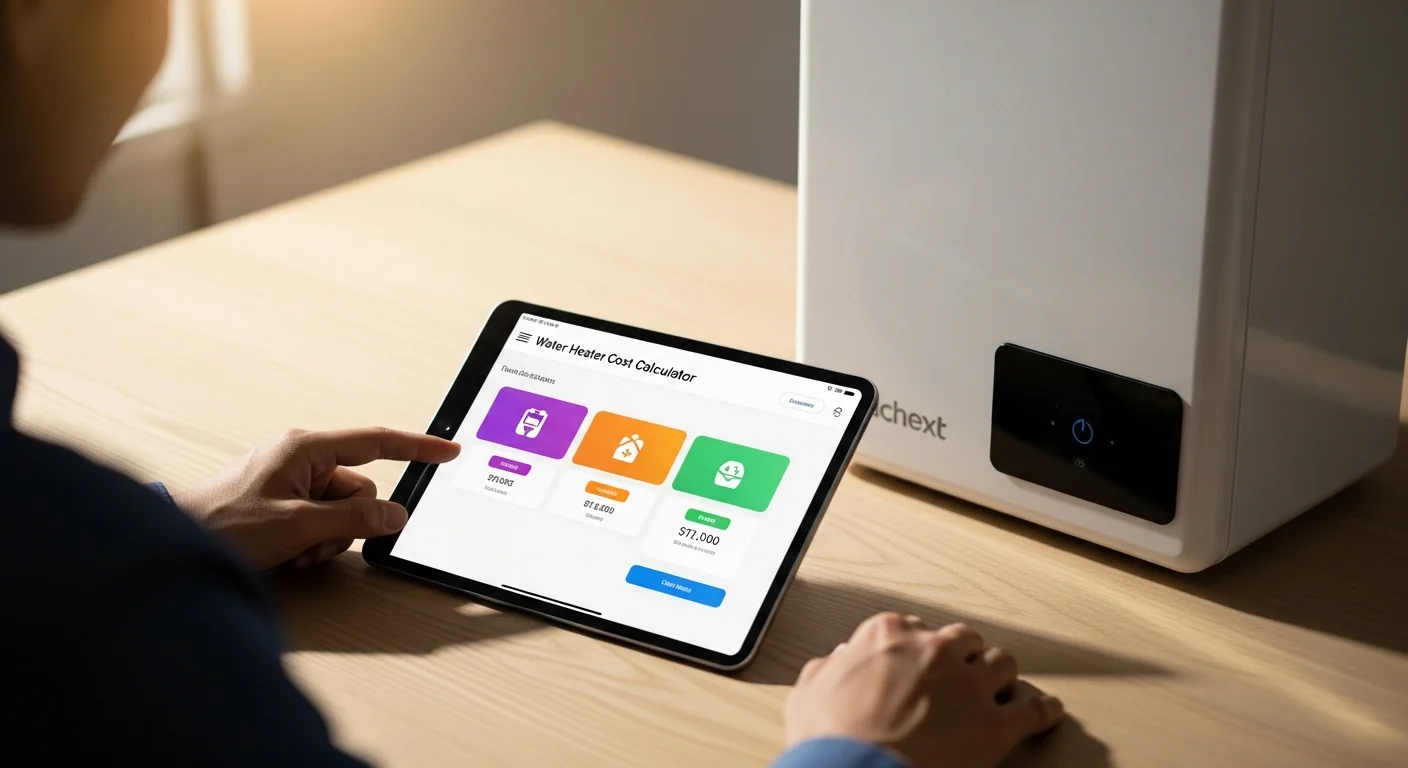
Water Heater Cost Calculator
Buy NowThe Federal 25C Tax Credit
According to the Energy Star Federal Tax Credit guide, homeowners can claim thirty percent of the project cost, up to $2,000 annually, for heat pump water heaters. This tax credit directly reduces the amount of income tax you owe, making it a powerful financial incentive. Unlike a deduction, this is a dollar-for-dollar reduction in your tax liability.
State-Level Rebate Programs
Many states offer additional cash-back programs to encourage decarbonization. In California, programs like Tech Clean California provide thousands of dollars in point-of-sale discounts. These incentives are often stackable with federal credits, further lowering the initial price tag.
How the Water Heater Cost Calculator Estimates Your Savings
Personalized Efficiency Projections
A water heater cost calculator takes your current energy usage and utility rates into account. By inputting your family size and current fuel type (gas or electric), the tool determines your potential ROI. Most users find that the unit pays for itself within three to five years through lower utility bills.
Local Incentive Detection
The best calculators use zip-code-based data to find hyper-local utility rebates. In Orange County, for instance, Southern California Edison often provides specific bonuses for energy-efficient upgrades. The tool ensures you don't leave any available money on the table during your purchase.
Comparing Electric vs Gas Water Heater Cost
The Operational Efficiency Gap
When looking at electric vs gas water heater cost, the efficiency ratings tell the real story. Heat pumps have a Uniform Energy Factor (UEF) often exceeding 3.5, while standard gas units struggle to reach 0.70. This means heat pumps are 3-4 times more efficient at converting energy into hot water.
| Factor | Standard Gas | Heat Pump (Hybrid) |
|---|---|---|
| Annual Energy Cost | $500 - $700 | $150 - $250 |
| Average Lifespan | 8-12 Years | 13-15 Years |
| Available Rebates | Minimal to None | $2,000 - $6,000+ |
Stop overpaying for hot water today!
Find Your Local Rebates →Maximizing California Heat Pump Water Heater Incentives
The TECH Clean California Initiative
As highlighted by TECH Clean California, the state is aggressively pursuing building electrification. These incentives are often paid directly to the contractor, reducing the quote you receive upfront. This makes California heat pump water heater incentives some of the most generous in the country.
Self-Generation Incentive Program (SGIP)
While primarily for batteries, certain high-efficiency water heating projects can qualify for equity-based incentives in California. Low-income households or those in high-fire-threat districts may receive additional funding to ensure energy resilience and affordability during grid transitions.
Are Energy Star Water Heater Rebates Worth the Investment?
Long-term ROI Analysis
According to the U.S. Department of Energy, heat pumps can save a household of four roughly $400 to $500 per year. Over a 10-year period, that is $5,000 in savings, which often exceeds the total cost of the unit after rebates. This makes the investment one of the highest-yielding home improvements available.
Environmental and Comfort Benefits
Beyond the financial energy star water heater rebates, these units dehumidify the air around them. This is a massive benefit for installation in garages or basements. Furthermore, removing gas lines from your home improves indoor air quality and reduces the risk of carbon monoxide leaks.
How to Save on Water Heater Installation
Choosing the Right Contractor
To qualify for most heat pump water heater benefits, you must use a licensed, rebate-enrolled contractor. These professionals handle the paperwork for you, ensuring that you receive your credits without technical glitches or application rejections. Always ask for a "total project cost" including estimated rebate deductions.
Timing Your Purchase
Rebate funds are often finite and operate on a first-come, first-served basis. Using a heat pump water heater savings calculator early in the year can help you plan your upgrade before annual state budgets are exhausted. Don't wait for your current unit to leak; proactive replacement saves the most money.
Ready to upgrade your home efficiency?
Check Your Eligible Savings →Frequently Asked Questions
How much can I save with heat pump water heater rebates?
Most homeowners can save between $2,000 and $6,000 depending on their location. This includes the federal tax credit and state-specific incentives like those found in California. Using a calculator is the best way to get an exact figure for your specific home.
Is a heat pump water heater worth it for a small family?
Yes, even small families see significant savings over the unit's lifespan. While the initial cost is higher, the massive reduction in standby energy loss and high operational efficiency make it a smart financial choice regardless of household size.
Do heat pump water heaters work in cold garages?
Modern heat pumps are designed to operate efficiently in temperatures as low as 40 degrees Fahrenheit. In moderate climates like California, they are exceptionally effective year-round. Most units also feature a backup electric element for extreme conditions.
What is the main difference between gas and heat pump models?
The primary difference is the source of energy and efficiency. Gas heaters burn fuel to create heat, while heat pumps use electricity to move existing heat from the air into the water, achieving much higher efficiency levels.
Can I install a heat pump water heater myself and get the rebate?
While you can claim the federal tax credit for DIY installs, many state and utility rebates require professional installation by an approved contractor. Always check the specific requirements of the incentive program before beginning work.
Conclusion
Investing in a heat pump water heater is one of the most effective ways to lower your home's carbon footprint while maximizing financial returns. Between the federal 25C tax credit and lucrative California state incentives, the barrier to entry has virtually disappeared. By utilizing a water heater cost calculator, you can navigate these opportunities with confidence.
As an Orange County Home Savings Expert, I have seen hundreds of families transform their monthly utility bills through these upgrades. Don't let high energy prices dictate your household budget. Take advantage of current programs and secure your home's energy future today.
About the Author

Written by William Corcoran, Orange County Home Savings Expert
William Corcoran has helped Orange County families save money on their homes for over 15 years. Specializing in property tax reduction and smart refinancing, he offers expert guidance you can trust. www.energybot.com www.energystar.gov
Related Articles
Ready to Find Your Savings?
Get a free personalized report showing all rebates and incentives your home qualifies for.
Get My Free Report