Energy Efficient Water Heater Options: How to Save on New Installation Costs in 2026
Key Takeaways
- Heat pump water heaters offer the highest energy savings in the 2026 market
- Federal and state rebates can cover a significant portion of upfront installation costs
- Professional sizing is critical to ensure your new unit meets your daily hot water demands
- Our online calculator provides instant estimates for local Orange County incentives
As we move through the Winter 2026 season, many homeowners are discovering that their aging appliances are no longer keeping up with modern efficiency standards. If you have noticed lukewarm showers or rising utility bills, preparing for a water heater replacement is essential to maintain home comfort and financial stability. Modern technology has advanced significantly, offering solutions that were unavailable just a few years ago.
Choosing the right system involves more than just picking a model off the shelf. It requires an understanding of how new heat pump technology interacts with your home's electrical system and what local incentives are currently available. In 2026, the focus has shifted heavily toward electrification and high-efficiency systems that reduce long-term operational costs while providing superior performance.
Evaluating Your Current System: When to Consider an Upgrade
Water Heater Cost Calculator
Buy NowIdentifying Efficiency Loss
Traditional tank heaters typically last between 8 and 12 years. According to the U.S. Department of Energy, water heating accounts for about 18% of your home's energy use. If your unit is over a decade old, it likely suffers from old water heater efficiency loss, meaning it works harder and costs more to produce the same amount of hot water.
Physical Symptoms of Failure
Visible rust around the base, strange banging noises, or water pooling around the unit are immediate red flags. When homeowners face a water heater leaking what to do scenario, the first step is always to shut off the water supply and power source to prevent structural damage. Prompt action can save thousands in restoration costs.
Understanding Water Heater Replacement Costs in 2026
Breaking Down the Installation Investment
The cost of new water heater installation varies based on the fuel source and technology type. In 2026, labor costs in California reflect the specialized training required for high-efficiency heat pump systems. While the initial investment might be higher than traditional gas units, the long-term energy savings frequently offset the difference within the first few years.
Budgeting for Your 2026 Project
When asking how much does a water heater cost, you must consider the unit, permit fees, and potential electrical upgrades. Many 2026 models require a 240V circuit, which may necessitate a panel upgrade in older homes. These variables make custom calculations vital for an accurate budget.
Want to know exactly how much you can save on your upgrade?
Calculate Your Savings Now →Why Heat Pump Technology Leads the 2026 Market
The Efficiency Advantage
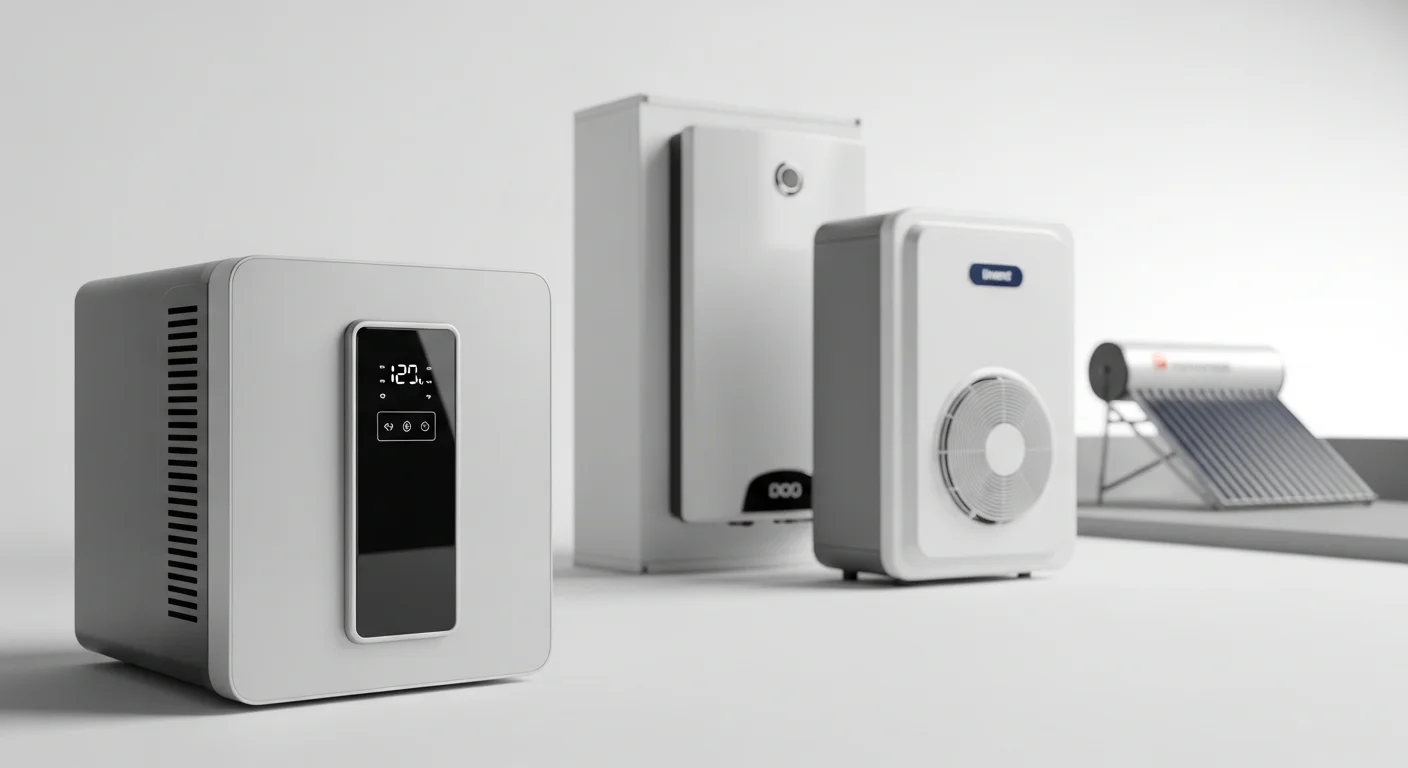
Unlike traditional heaters that generate heat, heat pumps move heat from the surrounding air into the water. According to ENERGY STAR, these units can be up to three times more efficient than standard electric water heaters. This makes them a cornerstone of energy efficient water heater options available today.
Heat Pump vs Tankless Considerations
When debating heat pump vs tankless water heater systems, the decision often comes down to your home's infrastructure. While tankless systems save space, heat pumps dominate the 2026 rebate market because of their superior COP (Coefficient of Performance) ratings and ability to integrate with solar energy systems. When planning your water heater replacement strategy, prioritize the system that aligns with future grid standards.
| Technology Type | Annual Efficiency (UEF) | 2026 Rebate Potential |
|---|---|---|
| Heat Pump (Hybrid) | 3.50 - 4.00+ | Very High (up to $3,800) |
| Tankless Electric | 0.96 - 0.99 | Moderate |
| High-Efficiency Gas | 0.80 - 0.90 | Low/Phase-out |
Navigating the 2026 Rebate and Incentive Landscape
Maximizing Federal Tax Credits
Under current 2026 regulations, the Energy Efficient Home Improvement Credit (25C) provides a substantial tax credit for qualified heat pump installations. According to Rewiring America, homeowners can claim 30% of the project cost, capped at $2,000 annually for heat pump water heaters. This significantly alters the answer to is a heat pump water heater worth it.
State and Local California Incentives
Residents in Southern California have access to some of the most robust California water heater incentives in the nation. Programs like TECH Clean California and local utility rebates from SCE or SoCalGas (for hybrid transitions) can often be stacked, potentially bringing the net cost of a high-end system below that of a standard unit.
Ready to claim your 2026 energy rebates?
Check Your Eligibility →Ensuring Installation Excellence and Longevity
The Importance of Professional Sizing
One common mistake is undersizing a new unit to save on initial costs. A professional assessment ensures your water heater replacement meets local building codes and provides enough First Hour Rating (FHR) to handle morning rushes. Research from the Lawrence Berkeley National Laboratory emphasizes that proper sizing is the most critical factor in system efficiency.
Maintenance for the Next Decade
To protect your investment, annual maintenance is required. For heat pumps, this includes cleaning the air filter and checking the condensate drain. By understanding how to save on water heater installation through longevity, you ensure that your 2026 upgrade continues to pay dividends well into the 2030s.
Frequently Asked Questions
What are the main benefits of heat pump water heaters in 2026?
The primary benefits include a significant reduction in monthly energy bills, access to high-value federal tax credits, and the elimination of gas combustion in the home. They also provide incidental cooling and dehumidification in the space where they are installed.
How long does a typical installation take?
A standard replacement usually takes 4 to 6 hours. However, if you are converting from gas to a heat pump, it may take a full day to accommodate new electrical wiring and venting adjustments.
Are there specific Orange County water heater savings available?
Yes, Orange County residents often qualify for specialized regional programs that stack with state incentives. Using a localized cost calculator is the best way to identify these specific zip-code-based savings.
Do heat pump water heaters work in cold winter weather?
Yes, modern 2026 models are designed to operate efficiently even in cooler temperatures. In extreme cases, they feature backup electric resistance elements to ensure you never run out of hot water.
Can I install a heat pump water heater myself?
While possible for highly skilled DIYers, professional installation is strongly recommended to ensure rebate eligibility and compliance with strict 2026 California building codes and electrical safety standards.
Stop overpaying for hot water today!
Open Cost Calculator →Conclusion
Navigating a water heater replacement in 2026 no longer has to be a stressful or overly expensive endeavor. By leveraging the latest in heat pump technology and taking advantage of the unprecedented level of rebates available, you can upgrade your home's infrastructure while drastically reducing your carbon footprint and utility expenses. The transition to cleaner, more efficient heating is a smart investment for any California homeowner.
At Orange County Home Savings, we are dedicated to helping you find the most cost-effective path toward home electrification. Our tools are designed to simplify your journey, ensuring you don't miss out on thousands of dollars in potential savings. Take the first step toward a more comfortable and efficient home by evaluating your options today.
About the Author

Written by William Corcoran, Orange County Home Savings Expert
William Corcoran has helped Orange County families save money on their homes for over 15 years. Specializing in property tax reduction and smart refinancing, he offers expert guidance you can trust. www.energybot.com www.energystar.gov
Related Articles

Ready to Find Your Savings?
Get a free personalized report showing all rebates and incentives your home qualifies for.
Get My Free Report