Maximizing Efficiency: The 2026 Guide to Heat Pump Rebates and Installation Costs
Key Takeaways
- Federal tax credits in 2026 cover up to thirty percent of heat pump installation costs
- Local Orange County rebates can be stacked with state incentives for maximum savings
- Heat pump technology provides significantly lower operating costs compared to traditional gas units
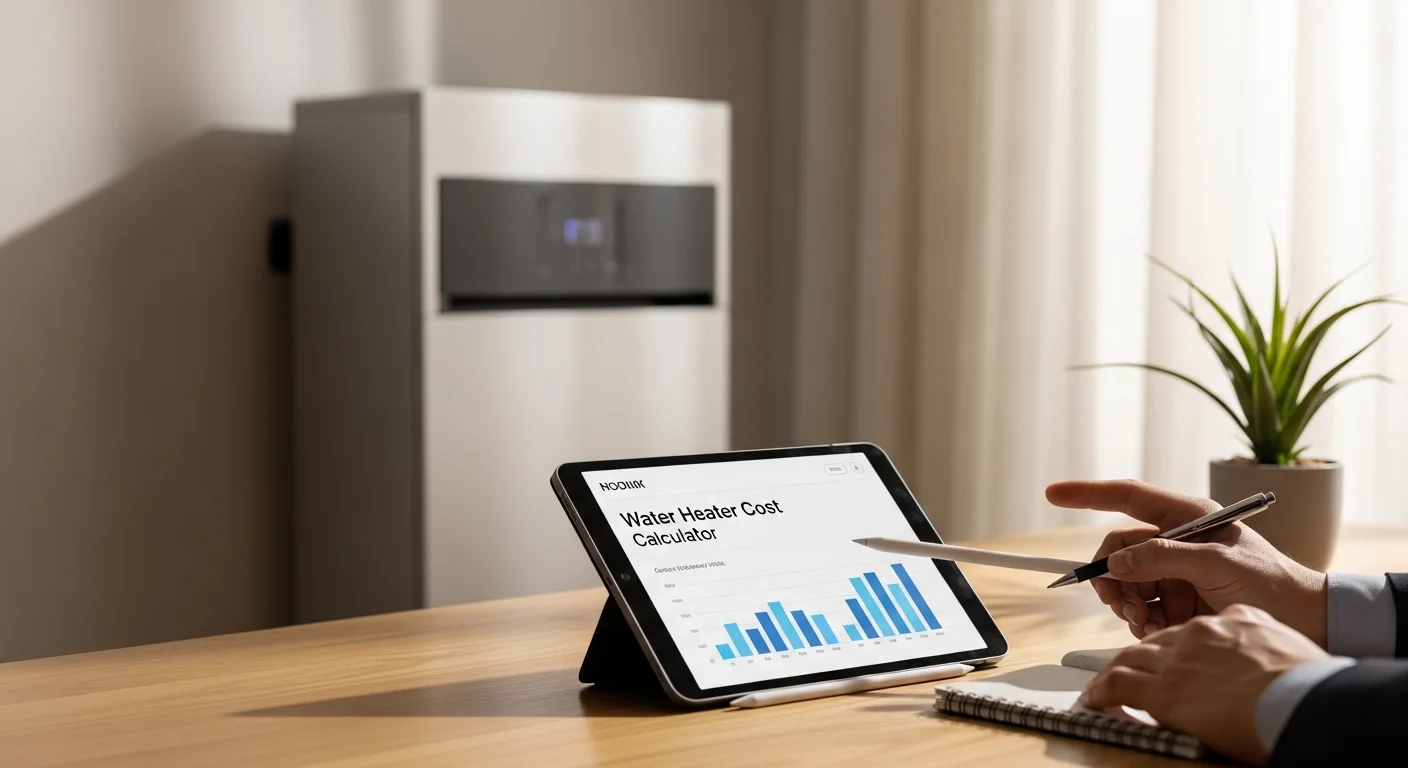
- Using a digital cost calculator helps homeowners estimate total out of pocket expenses accurately
As we move through the Winter 2026 season, homeowners are increasingly looking for ways to reduce their carbon footprint while managing rising utility costs. One of the most impactful upgrades you can make is replacing your outdated water heater with a high-efficiency heat pump model. According to the U.S. Department of Energy, these systems can be two to three times more energy-efficient than conventional electric resistance models.
The financial landscape for home improvements has shifted significantly this year. With new federal guidelines and local utility shifts, navigating the available incentives requires a clear strategy. By using a specialized cost calculator, you can strip away the complexity of pricing and focus on the long-term ROI of your investment.
Understanding 2026 Heat Pump Incentives
Water Heater Cost Calculator
Buy NowFederal Tax Credits Under the Inflation Reduction Act
The 25C tax credit remains a cornerstone for energy-efficient upgrades in 2026. Homeowners can claim up to 30% of the project cost, with a cap of $2,000 annually specifically for heat pump technology. This credit is applied directly to your federal tax liability, making the initial purchase much more affordable.
State-Level Point-of-Sale Rebates
Many states have now implemented point-of-sale rebates that provide instant discounts at the time of purchase. According to research from ENERGY STAR, these incentives are designed to lower the barrier for low-to-moderate-income households, often covering the entire cost difference between standard and high-efficiency units.
Ready to see how much you can save on your upgrade?
Access the Cost Calculator →Installation Expenses for High-Efficiency Units
Labor and Material Cost Factors
Installation costs for a heat pump system typically range from $1,500 to $4,000, depending on the complexity of the site. Factors such as venting adjustments, condensate drainage, and location accessibility play a major role in the final quote from your contractor.
Electrical Panel Upgrades and Requirements
Transitioning from gas to electric may require an electrical panel upgrade. If your home currently has a 100-amp service, you might need to increase this to 200-amp to accommodate the new load, which can add significant expense but also future-proofs your home for EV charging.
Choosing the Best Energy Efficient Water Heater
Analyzing Tank Size and Recovery Rates
Selecting the water heater that fits your family's needs is crucial for comfort. While heat pumps have slightly slower recovery rates than gas, choosing a larger tank (such as an 80-gallon unit for a family of four) ensures you never run out of hot water during peak morning hours.
Top Rated Brands for Winter 2026
The 2026 market features advanced models from manufacturers like Rheem, AO Smith, and Bradford White. These latest iterations offer improved decibel ratings for quieter operation and smart-home integration for scheduling heating cycles during off-peak electricity hours.
Don't miss out on local 2026 incentives!
Check Your Eligibility →Comparing Hybrid Systems vs. Traditional Gas
| Feature | Heat Pump (Hybrid) | Traditional Gas |
|---|---|---|
| Energy Efficiency | High (300%+) | Low (60-70%) |
| Annual Savings | $300 - $500 | Base Rate |
| Federal Rebates | Up to $2,000 | None |
| Lifespan | 10-15 Years | 8-12 Years |
Long-Term Energy Bill Reductions
The primary advantage of a hybrid system is the reduction in monthly operational costs. By extracting heat from the surrounding air rather than generating it through combustion, these units use a fraction of the power required by a standard water heater or gas burner.
Carbon Footprint and Environmental Impact
As California pushes toward a carbon-free grid, switching to electric appliances is a vital step. According to the Environmental Protection Agency, water heating is typically the second-largest energy expense in any home, meaning efficiency gains here have a massive impact on total emissions.
Navigating California State Energy Programs
TECH Clean California Incentives
The TECH Clean California program has been revitalized for 2026, offering substantial rebates for heat pump installations. These funds are often distributed through participating contractors, making it essential to choose a vendor registered with the program to ensure you receive the benefit.
SGIP and Equity Programs
The Self-Generation Incentive Program (SGIP) provides additional layers of funding for residents in high fire-threat districts or those within equity-qualified communities. According to the California Public Utilities Commission, these programs aim to ensure that energy resilience is accessible to all demographics.
Local Opportunities in Orange County
Southern California Edison Rebates
Residents of Orange County served by Southern California Edison (SCE) have access to specific marketplace rebates. In 2026, SCE has streamlined its application process, allowing homeowners to verify eligibility through their account portal before purchasing equipment.
City-Specific Utility Credits
Cities like Anaheim and Santa Ana occasionally offer localized utility credits for residents who install energy-efficient appliances. These small additions can often cover the cost of a permit or minor plumbing adjustments, further reducing the total investment required for a modern system.
Calculate your specific Orange County savings now!
Start Your Calculation →Frequently Asked Questions
How much does a heat pump water heater cost in 2026?
On average, the unit and installation cost between $3,500 and $6,500 before rebates. However, after applying federal tax credits and state incentives, many homeowners see their out-of-pocket costs drop below $2,500.
Are heat pump water heaters worth it in colder climates?
Yes, modern 2026 models are designed to operate efficiently even in low temperatures. They include a backup electric resistance mode for extreme cold, ensuring you have hot water regardless of the outside environment.
Can I install a heat pump water heater myself?
While possible for an advanced DIYer, professional installation is recommended to ensure code compliance and rebate eligibility. Most rebate programs require installation by a licensed contractor to verify the efficiency of the setup.
How long do these systems typically last?
A well-maintained heat pump system lasts between 10 and 15 years. Regular maintenance, such as cleaning the air filter and checking the condensate drain, can help extend this lifespan significantly.
What is the main disadvantage of a hybrid system?
The primary trade-offs are the higher initial cost and the space requirement. These units need approximately 1,000 cubic feet of surrounding air space to operate efficiently, meaning they aren't ideal for small closets without venting.
Conclusion
Investing in a high-efficiency water heater is one of the smartest financial moves a homeowner can make in 2026. Between the generous federal tax credits and the robust local programs available in Orange County, the transition to sustainable home technology has never been more affordable. By utilizing digital tools to calculate your potential savings, you can make an informed decision that benefits both your wallet and the planet.
Remember that these incentives are often subject to budget caps and expiration dates. Taking action during the 2026 season ensures you lock in the current rates and maximize your return on investment. Whether you are replacing a failing unit or proactively upgrading for efficiency, the technology available today offers unparalleled performance and reliability for the modern home.
About the Author

Written by William Corcoran, Orange County Home Savings Expert
William Corcoran has helped Orange County families save money on their homes for over 15 years. Specializing in property tax reduction and smart refinancing, he offers expert guidance you can trust. www.energybot.com www.energystar.gov
Related Articles

Ready to Find Your Savings?
Get a free personalized report showing all rebates and incentives your home qualifies for.
Get My Free Report