Home Energy Efficiency Rating: Residential Solar Energy Solutions in 2026
Key Takeaways
- A high home energy score significantly increases property value in 2026.
- Solar energy remains the most effective way to reduce monthly utility expenses.
- Modern energy calculators help homeowners target the most impactful upgrades first.
- Combining solar panels with battery storage maximizes long-term return on investment.
As we navigate the energy landscape of Winter 2026, homeowners are increasingly focused on sustainability and cost-management. Rising utility costs have made it essential to understand how your property consumes power. For many, investing in a house solar system is one of the most effective ways to combat inflation and ensure long-term energy security.
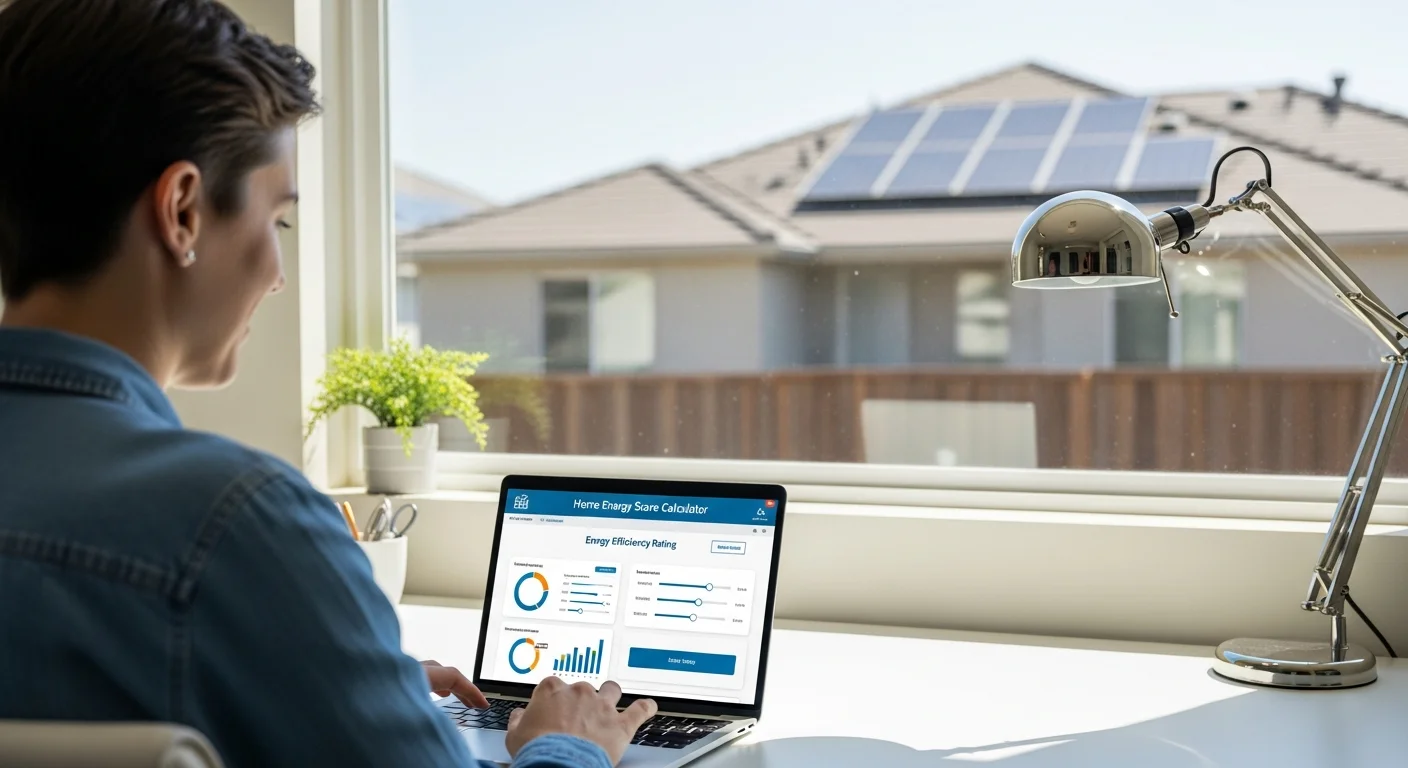
The first step in any improvement journey is data. Using a professional tool like the Home Energy Score Calculator allows you to pinpoint where energy is being wasted. This comprehensive guide will walk you through the nuances of energy ratings and how solar technology fits into the modern home.
Understanding Your Home Energy Efficiency Rating
Home Energy Score Calculator
Buy NowWhat is a Home Energy Score?
A home energy score is a standardized rating that provides a clear picture of a property's energy performance. According to the U.S. Department of Energy, these scores range from 1 to 10, with a 10 representing the highest level of efficiency. It helps buyers and sellers compare energy costs fairly.
Why It Matters in 2026
In the 2026 real estate market, energy transparency is no longer optional. High-rated homes often sell faster and for a premium because savvy buyers prioritize sustainable living. A good score indicates lower monthly overhead and better thermal comfort during the peak winter months.
How to Use the Calculator
Our calculator integrates current climate data and building material specs to give you an accurate snapshot. By entering details about your insulation, windows, and HVAC system, you can see how your home stacks up against local averages. It is the perfect starting point for any renovation project.
Benefits of Residential Solar Energy Solutions
Financial Savings and Incentives
Switching to solar remains a top financial strategy. With federal tax credits still robust in 2026, the upfront costs are significantly offset. Homeowners can often reach a break-even point in as little as five to seven years, depending on their local sunlight levels and utility rates.
Environmental Impact
Reducing your carbon footprint is a major driver for residential solar energy solutions. According to EPA research, an average residential solar installation can eliminate several metric tons of CO2 emissions annually. This contribution to a cleaner grid is vital for 2026 climate goals.
Ready to see how much you can save?
Calculate Your Score Now →Planning Your House Solar System Installation
Assessing Roof Suitability
Not every roof is ideal for panels. Factors like orientation, pitch, and shading from nearby trees or buildings play a huge role. When you decide to install a house solar system, a structural assessment is critical to ensure your roof can handle the added weight for the next 25 years.
Selecting the Right Panels
Efficiency ratings for photovoltaic (PV) panels have reached new heights in 2026. Monocrystalline panels continue to lead the market in space-to-output efficiency. It is important to compare warranties and degradation rates when choosing your specific hardware to maximize longevity.
How to Lower Utility Bills with Smart Upgrades
Insulation and Air Sealing
Before adding solar, you should always address the "envelope" of your home. Adding insulation to attics and sealing leaks around windows can reduce heating and cooling needs by up to 15%. This ensures that the energy your panels produce isn't immediately wasted.
Smart Home Integration
Modern smart thermostats and energy monitors allow for precise control over consumption. By scheduling high-energy tasks during peak solar production hours, you can significantly lower your reliance on the grid. This synergy between tech and energy is a hallmark of the 2026 home.
| Upgrade Type | Average Savings |
|---|---|
| Solar PV Installation | 50% - 90% |
| Attic Insulation | 10% - 15% |
| Smart Thermostats | 8% - 12% |
Not sure where to start your upgrades?
Get Your Custom Energy Report →Maximizing Solar ROI in Winter 2026
The Role of Battery Storage
Pairing your panels with a battery system like the Powerwall or similar alternatives ensures your house solar system operates at peak efficiency even at night. This protects you from "Time of Use" (TOU) rates where electricity costs more during the evening. According to the National Renewable Energy Laboratory, storage is key to grid independence.
Net Metering Policies
Understanding your local utility's net metering policy is essential for ROI. Many states have updated their rules for 2026, so checking current buy-back rates for excess energy is a must. This ensures you are compensated fairly for the clean energy you provide to the community.
Frequently Asked Questions
How long does a solar panel system last?
Most residential systems are designed to last between 25 and 30 years. While their efficiency may slightly decrease over time, most reputable manufacturers guarantee at least 85% output after two decades.
What is the best way to get a home energy score?
Using a dedicated home energy score calculator is the most efficient method. It provides an immediate overview based on your home’s specific features and current energy costs in 2026.
Does solar increase property taxes?
In many states, solar installations are exempt from property tax assessments. This means you get the benefit of increased home value without the penalty of higher annual taxes, though rules vary by jurisdiction.
Can I install solar panels myself?
While DIY kits exist, professional installation is highly recommended to ensure safety, warranty compliance, and utility grid interconnection. Professionals also handle the complex permitting process required in 2026.
How do I maintain my solar panels in winter?
Modern panels are designed to shed snow easily. In most cases, rain will naturally keep the panels clean. However, a quick professional inspection once a year ensures all connections remain secure during the winter months.
Empower your home with energy expertise.
Access the Calculator →Navigating the complexities of home energy doesn't have to be overwhelming. By leveraging data-driven tools and understanding the potential of modern hardware, you can make informed decisions that benefit both your wallet and the environment. Deciding on a house solar system is an investment in both your financial future and the planet.
We invite you to use our Home Energy Score Calculator today to see how your property ranks. With the right strategy, achieving energy independence and maximizing your savings in 2026 is closer than you think. Start your journey toward a more efficient home now.
About the Author

Written by William Corcoran, Orange County Home Savings Expert
William Corcoran has helped Orange County families save money on their homes for over 15 years. Specializing in property tax reduction and smart refinancing, he offers expert guidance you can trust. www.energybot.com www.energystar.gov
Related Articles
Ready to Find Your Savings?
Get a free personalized report showing all rebates and incentives your home qualifies for.
Get My Free Report