Maximize Your Home Savings: The Ultimate 2026 Guide to HVAC Efficiency Upgrades
Key Takeaways
- High efficiency heat pumps can reduce heating costs by up to 50 percent in 2026
- Calculating the weighted average cost of home upgrades ensures a better long term ROI
- Federal and state rebates for Winter 2026 make HVAC replacement more affordable than ever
- Modern thermostats and smart controls further enhance the savings found in our online tools
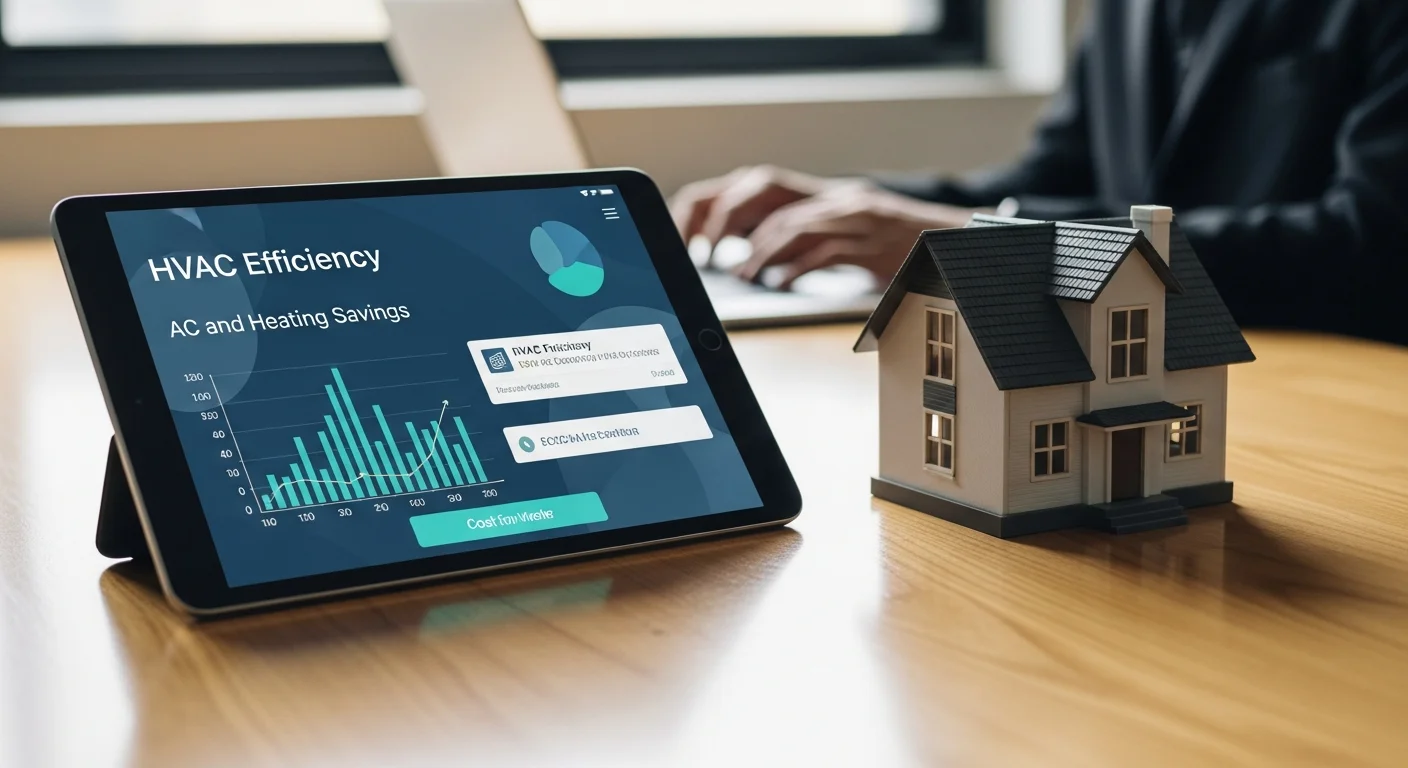
As we navigate through the chill of Winter 2026, homeowners in Orange County are increasingly focused on balancing comfort with rising utility costs. Transitioning to modern heating and cooling systems is no longer just a matter of luxury; it is a strategic financial decision. By utilizing a wacc calculator to determine the weighted average cost of capital for your home improvements, you can clearly see the long-term value of moving away from outdated gas furnaces and low-SEER air conditioners.
According to the U.S. Department of Energy, heat pumps can save the average household hundreds of dollars annually by moving heat rather than generating it. In this guide, we will explore how to quantify these savings and why 2026 is the pivotal year for HVAC modernization.
Ready to see your potential savings?
Access the Savings Calculator →Understanding the Financials of Home Comfort
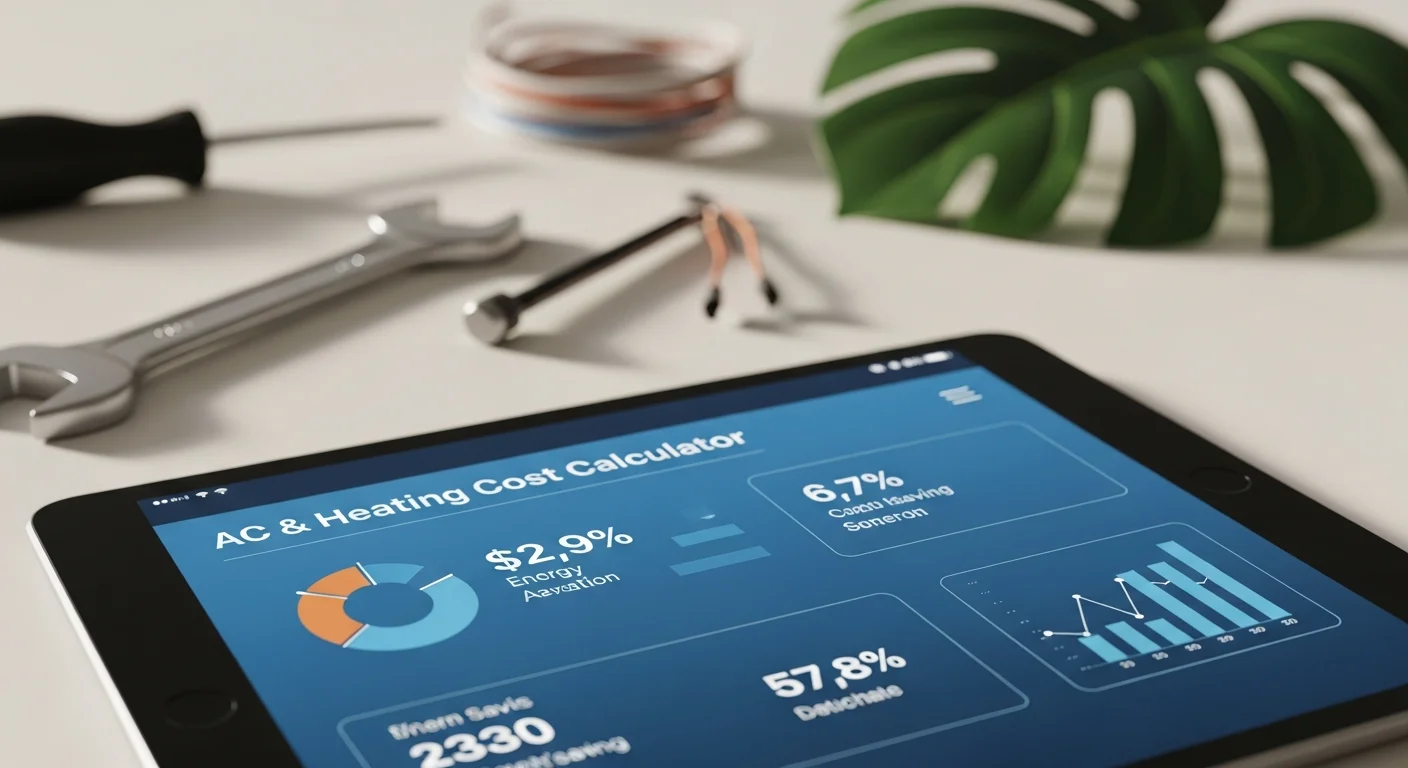
AC & Heating Cost Calculator
Buy NowThe Shift Toward Electrification
Home electrification has become a primary trend in 2026. As natural gas prices remain volatile, electric-driven heat pumps offer a more stable and predictable cost structure for homeowners.
Analyzing Internal Rate of Return (IRR)
When you invest in a new HVAC system, you aren't just buying equipment; you are investing in an asset. Evaluating the IRR of this investment helps you compare it against other financial opportunities.
Using a WACC Calculator to Evaluate Home Efficiency Investments
What is the Weighted Average Cost of Capital for Homes?
In the context of home improvements, a wacc calculator helps determine the average cost of the various funding sources you use, such as home equity lines of credit (HELOCs) or green energy loans. This calculation is essential to ensure that your energy savings outpace the cost of financing the equipment.
Maximizing Your Net Present Value
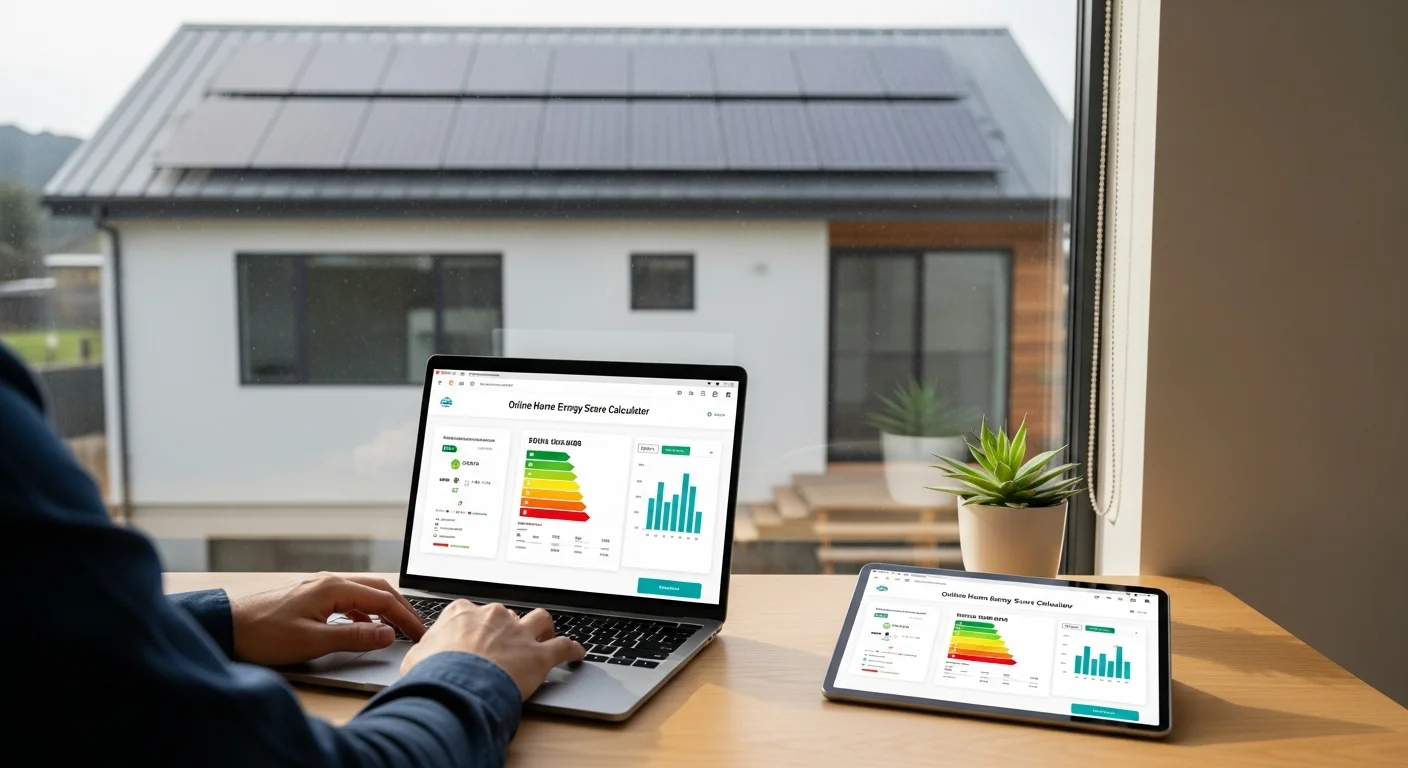
By inputting your financing rates and expected energy reductions into our analysis tools, you can determine the Net Present Value (NPV) of your HVAC project. Your specific wacc calculator results will vary based on local utility rates and the specific efficiency ratings of the hardware chosen.
Calculate your custom ROI for 2026 upgrades.
Get Your Savings Estimate →Top Factors Influencing Your 2026 Energy Costs
Local Climate Variability
While Orange County is known for mild weather, the Winter 2026 season has seen unexpected temperature fluctuations. According to the U.S. Energy Information Administration, regional heating demand can increase costs by 15-20% during cold snaps if systems are inefficient.
Efficiency Ratings (SEER2 and HSPF2)
As of 2026, the industry has fully adopted the SEER2 and HSPF2 metrics. These provide a more accurate representation of how a system performs under real-world conditions, ensuring that homeowners get what they pay for in terms of efficiency.
Benefits of Upgrading to High-Efficiency Heat Pumps
Dual-Functionality Comfort
One of the primary benefits of a heat pump is its ability to both heat and cool your home with a single unit. This reduces maintenance costs and simplifies your home's mechanical footprint.
Environmental and Financial Synergy
Modern systems use refrigerants with lower Global Warming Potential (GWP). According to Energy Star, certified heat pumps are 20% more efficient than standard models, which directly translates to lower monthly bills.
Comparing Traditional AC vs. Modern Heat Pump Systems
| System Type | 2026 Estimated Savings | Primary Benefit |
|---|---|---|
| Standard Central AC | Baseline | Lower Upfront Cost |
| Variable-Speed AC | 15-25% | Better Humidity Control |
| Electric Heat Pump | 30-50% | Year-Round Efficiency |
Many homeowners overlook the wacc calculator when planning seasonal upgrades, but understanding the financial spread between these systems is vital for 2026 budgeting.
Discover the specific rebates available in your area.
Check Available Rebates →Frequently Asked Questions
How accurate is an HVAC savings calculator?
While calculators provide excellent estimates based on average usage and local utility rates, the most accurate results come from a combination of online tools and professional onsite load calculations. They serve as a vital first step in your 2026 home planning process.
Are there federal tax credits for heat pumps in 2026?
Yes, through the extended Inflation Reduction Act provisions, homeowners can still claim significant credits for qualifying high-efficiency heat pump installations. These credits can often cover a large percentage of the initial installation cost.
Why is Winter 2026 a good time to upgrade?
Upgrading during the winter season allows you to take advantage of off-peak installation schedules and potential manufacturer rebates. It also ensures your home is prepared for the upcoming summer heatwaves without the risk of system failure during peak demand.
What is the difference between SEER and SEER2?
SEER2 is the new standard as of 2023, requiring more rigorous testing conditions that reflect real-world duct pressure. A 16 SEER2 unit is significantly more efficient than an older 16 SEER unit because it maintains its performance under stress.
How long does it take for a new HVAC system to pay for itself?
Typically, a high-efficiency upgrade can pay for itself within 5 to 8 years through energy savings and tax incentives. By using a financial analysis tool, you can see a personalized timeline based on your current utility bills.
Conclusion
Deciding to upgrade your home's HVAC system is a significant step toward long-term financial stability and personal comfort. As technology advances in 2026, the gap between old-school heating methods and modern electric solutions continues to widen. Those who take the time to run the numbers will find that the benefits far outweigh the initial investment.
We encourage all Orange County residents to evaluate their current energy consumption and explore the incentives available this season. Don't let another winter pass with inefficient heating. Leverage our wacc calculator today to start saving and build a more resilient, comfortable home for years to come.
About the Author

Written by William Corcoran, Orange County Home Savings Expert
William Corcoran has helped Orange County families save money on their homes for over 15 years. Specializing in property tax reduction and smart refinancing, he offers expert guidance you can trust. www.energybot.com www.energystar.gov
Related Articles
Ready to Find Your Savings?
Get a free personalized report showing all rebates and incentives your home qualifies for.
Get My Free Report