Residential Solar Energy Benefits: Maximizing Your Home Energy Efficiency Rating in 2026
Key Takeaways
- Solar energy significantly increases your official home energy score and property resale value.
- New federal and state tax credits in 2026 make renewable transitions more affordable than ever.
- Combining solar panels with energy efficiency upgrades creates a high-performance building envelope.
- A professional energy assessment is the first step to determining your potential return on investment.
As we move through the Winter of 2026, homeowners in Orange County are facing evolving energy markets and increasing utility costs. Integrating a home solar system has become a cornerstone strategy for those looking to decouple their finances from volatile grid pricing. Beyond simple electricity generation, these systems play a pivotal role in modern property valuation and long-term sustainability.
The transition to renewable energy is no longer just about environmental stewardship; it is a calculated financial move. In 2026, the technology behind photovoltaic cells and battery storage has matured, offering higher efficiency rates and lower maintenance costs than seen in previous years. This guide explores how you can leverage these advancements to enhance your living space and financial portfolio.
Understanding Your Home Energy Efficiency Rating
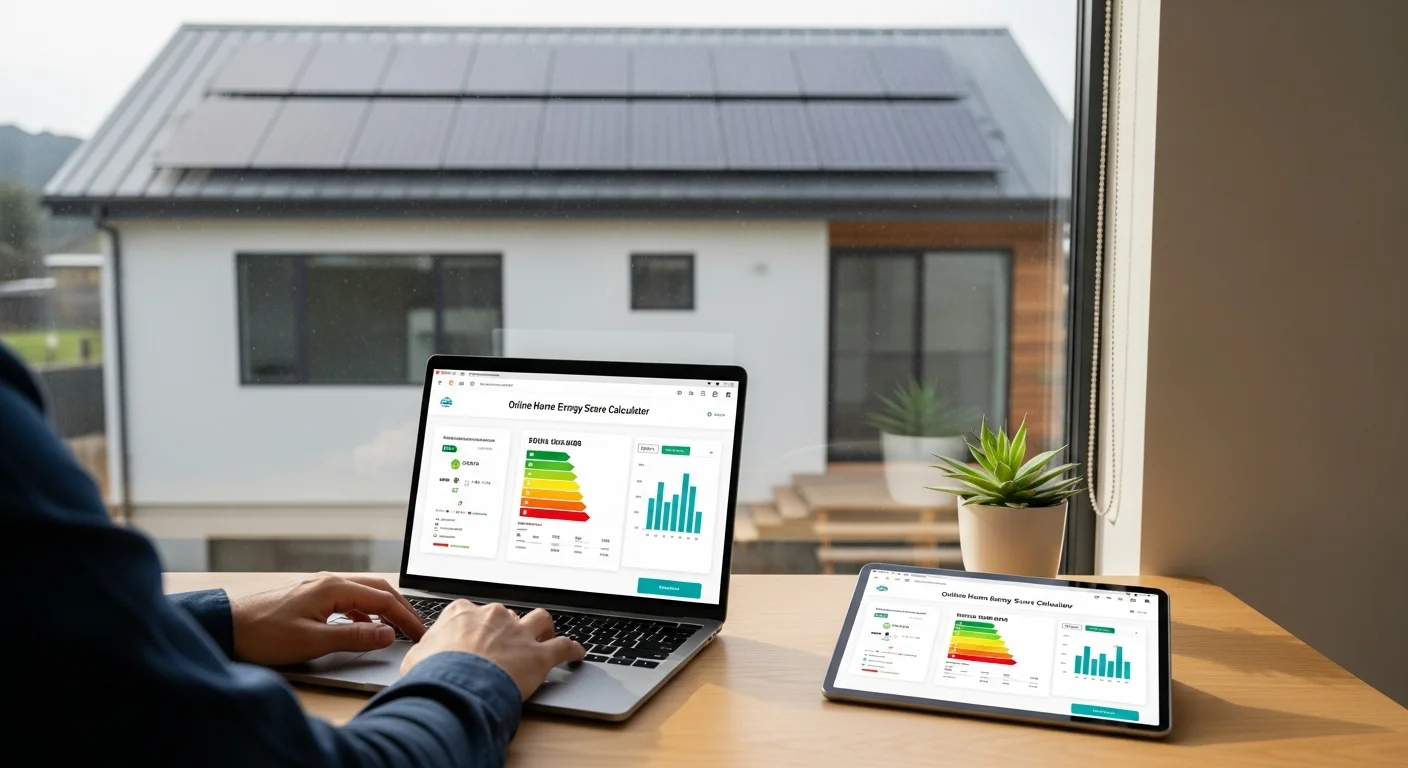
Home Energy Score Calculator
Buy NowThe Importance of the Home Energy Score
A home energy efficiency rating in California is a standardized metric used to assess how much energy a property consumes compared to similar structures. According to the U.S. Department of Energy, the Home Energy Score provides a 1-to-10 scale that helps buyers and sellers understand expected utility costs. A higher score directly translates to a more attractive listing in the 2026 real estate market.
Factors Influencing Your Rating
Several variables contribute to your score, including insulation quality, HVAC efficiency, and window seals. However, local generation through solar significantly weights the final output. In Orange County, professional assessments are increasingly required for transparent property transactions, making it essential to understand where your home stands today.
Ready to see your home's potential? Check your efficiency now.
Calculate Your Home Energy Score →The Financial Impact of a Home Solar System
Return on Investment in 2026
Installing a home solar system remains one of the most effective ways to lower your carbon footprint while securing a predictable return on investment. Research from the Solar Energy Industries Association indicates that residential systems now pay for themselves faster than ever due to rising utility rates and improved hardware longevity.
Equity and Resale Value
Properties equipped with modern energy solutions command a premium. Buyers in 2026 prioritize homes that offer long-term cost stability. By generating your own power, you are essentially pre-paying for decades of energy at a fixed, lower rate, which adds tangible equity to your residential property.
Comparing Solar Panels vs Energy Efficiency Upgrades
Active Generation vs. Passive Conservation
While solar generates energy, efficiency upgrades like heat pumps and high-grade insulation ensure that less energy is wasted. According to the EPA Energy Star program, a holistic approach—doing both—yields the highest possible Home Energy Score. The following table highlights the differences between these two strategies.
| Strategy | Primary Benefit |
|---|---|
| Solar Installation | Active bill reduction and energy independence |
| Insulation/Sealing | Reduced HVAC strain and improved comfort |
| Smart Thermostats | Automated optimization of energy usage |
Discover the best upgrades for your specific zip code.
Start Your Free Assessment →How to Calculate Home Energy Savings
The Assessment Process
To accurately gauge your savings, you must first establish a baseline. By reviewing your last 12 months of utility statements and comparing them with the projected output of a home solar system, you can find your break-even point. Most homeowners in Orange County find that their solar investment pays for itself within 5 to 7 years in 2026.
Advanced Simulation Tools
Modern calculators take into account roof pitch, local shading, and regional sunlight patterns. According to data from the National Renewable Energy Laboratory, these precision tools are within a 5% margin of error for yearly production estimates, providing high confidence for financial planning.
Tax Credits and Incentives for 2026
Federal Investment Tax Credit (ITC)
The Federal government continues to incentivize the adoption of renewable energy. As of early 2026, the tax credit remains a robust percentage of the total project cost, covering not just the panels but also battery storage systems. This significantly reduces the upfront cost of your home solar system installation.
California State Incentives
Beyond federal help, California offers local rebates for energy-efficient appliances and specialized grid-balancing programs. According to the California Energy Commission, these programs are designed to reward homeowners who contribute to the stability of the local energy grid during peak usage hours in 2026.
Maximize your 2026 tax savings today.
Check Your Eligibility →Frequently Asked Questions
How does solar affect my home energy score?
Solar panels directly improve your score by reducing the amount of energy you need to pull from the grid. A system that covers 100% of your usage can jump your score by several points, placing you in the top tier of energy-efficient homes.
Is 2026 a good year to install solar panels?
Yes, 2026 is an ideal time as hardware prices have stabilized and technology has reached high efficiency. Additionally, current tax incentives are still at their peak levels before scheduled sunset periods in future years.
What is the average ROI for solar in Orange County?
Most homeowners see a full return on investment within 5 to 8 years. Given the long-term rise in local electricity rates, the "avoided cost" of buying energy from the utility company makes solar a highly lucrative asset.
Do solar panels require a lot of maintenance?
Very little. Modern panels are designed to last 25-30 years with only occasional cleaning and an inverter check-up every decade. Most 2026 systems include digital monitoring to alert you of any issues immediately.
Can I get a home energy assessment online?
While a physical walk-through is most accurate, high-fidelity online tools like the Orange County Home Energy Score Calculator can provide a very close estimate based on your home's age, size, and utility data.
Conclusion
Navigating the complexities of residential energy in the Winter of 2026 requires both data and action. By prioritizing your home energy efficiency rating, you are not only saving money today but protecting the long-term value of your most significant asset. The integration of renewable technology is no longer a luxury—it is an essential component of a smart home strategy.
Whether you choose to start with small efficiency upgrades or go all-in with a comprehensive home solar system, the key is to begin with an accurate assessment. Knowledge of your current energy footprint allows you to make informed decisions that will benefit your family for decades to come. Take control of your energy future and join the thousands of Orange County residents leading the way in sustainable living.
About the Author

Written by William Corcoran, Orange County Home Savings Expert
William Corcoran has helped Orange County families save money on their homes for over 15 years. Specializing in property tax reduction and smart refinancing, he offers expert guidance you can trust. www.energybot.com www.energystar.gov
Related Articles

Ready to Find Your Savings?
Get a free personalized report showing all rebates and incentives your home qualifies for.
Get My Free Report