Variable Speed Pool Pump Savings: How to Lower Pool Electricity Bills and Use a Pool Cost Calculator
Key Takeaways
- Variable speed pumps can reduce energy consumption by up to 90 percent compared to single speed models
- A pool cost calculator provides precise ROI timelines for equipment upgrades
- Heating efficiency depends heavily on selecting the right technology for your climate
- Regular maintenance and automation further optimize monthly utility savings
Owning a pool in Orange County is a luxury that often comes with a surprising price tag on your monthly utility statement. If you have been wondering why is my pool electric bill so high, you are not alone. Traditional pool equipment, particularly outdated pumps and heaters, can consume more electricity than almost any other appliance in your home, including your air conditioner.
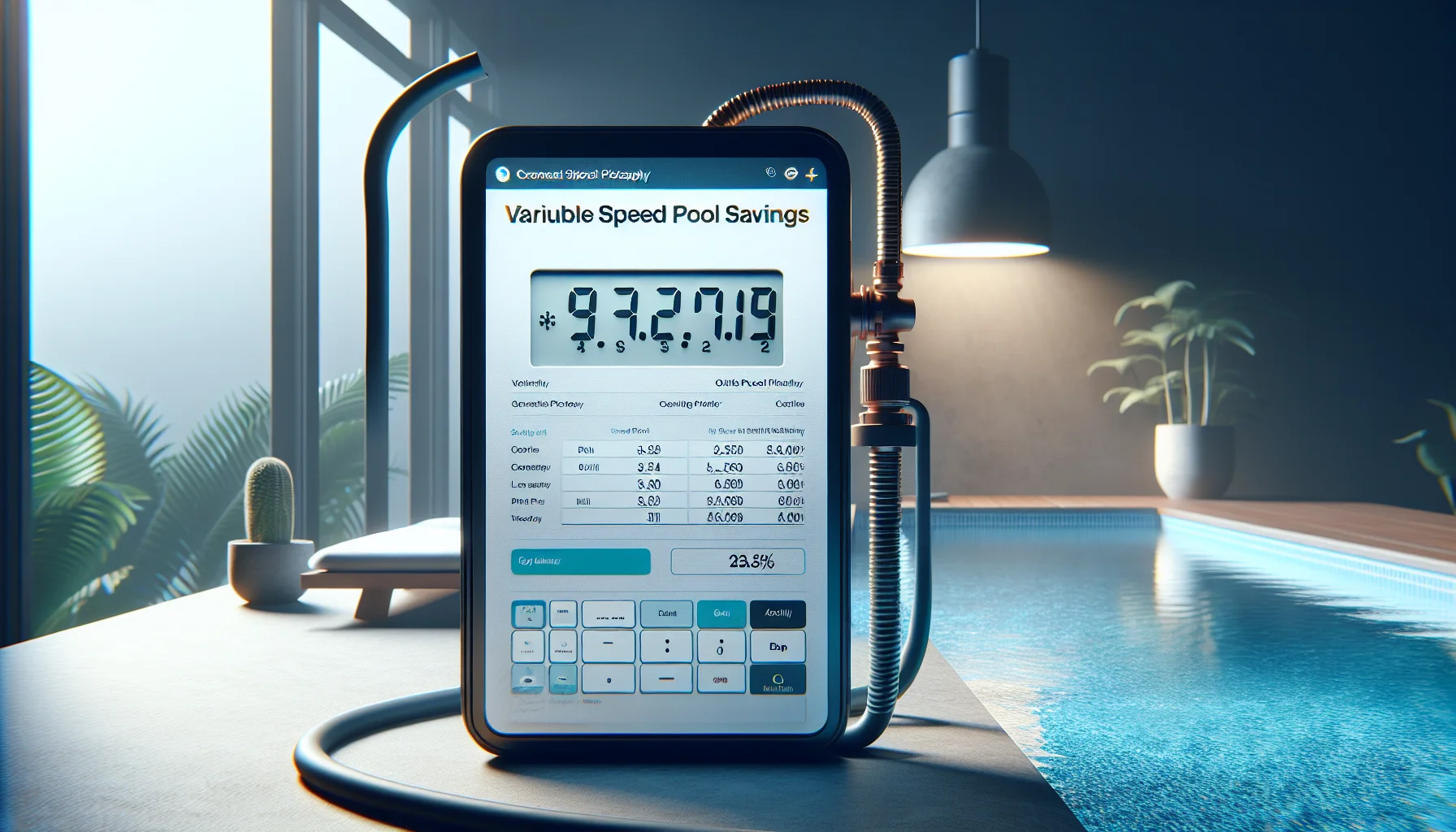
To combat these rising costs, many homeowners are turning to a pool cost calculator to identify exactly where their money is going. By understanding the data behind your water circulation and heating, you can make informed decisions that lead to massive variable speed pool pump savings. According to the U.S. Department of Energy, upgrading to energy-efficient equipment is one of the most effective ways to lower household expenses.
Calculate Your Potential Savings Instantly
Use the Pool Cost Calculator →Why Is My Pool Electric Bill So High?
Pool Cost Calculator
Buy NowThe Impact of Single-Speed Motors
Most older pools utilize single-speed pumps that run at a constant, high RPM regardless of the task. This is highly inefficient because tasks like filtration require much less power than vacuuming or running a waterfall. These motors pull maximum current 100% of the time they are active.
Inefficient Heating Cycles
Heating a large body of water requires immense energy. If your heater is sized incorrectly or uses outdated pilot light technology, you are likely losing heat to the environment faster than you can generate it. This results in the heater running longer than necessary.
Friction and Plumbing Resistance
Dirty filters and small-diameter plumbing create resistance, forcing the pump to work harder. This increased "head pressure" leads to higher amperage draw and shortened equipment life. Ensuring your system is clean is the first step toward better swimming pool energy efficiency.
Using a Pool Cost Calculator for Savings
Quantifying Monthly Energy Usage
A pool cost calculator allows you to input your specific local electricity rates and pump runtime. This data provides a baseline of current spending, which is essential before making any upgrade decisions.
Calculating Return on Investment (ROI)
Upgrading to energy-efficient equipment involves an upfront cost. The calculator shows you how quickly the variable speed pool pump savings will pay for the unit itself, often within just 12 to 24 months for Southern California residents.
Predicting Seasonal Variations
Utility rates often fluctuate based on the season. A comprehensive calculator helps you predict spikes in winter heating costs versus summer filtration needs, allowing for better household budgeting.
Ready to lower your swimming pool energy bill?
Access the Savings Tool Now →Single Speed vs Variable Speed Pool Pumps
The Science of Affinity Laws
The primary reason is a variable speed pool pump worth it comes down to physics. According to the Affinity Laws, if you reduce the pump speed by half, the power consumed drops by eight times. This is why running a pump longer at a lower speed is drastically cheaper than running a single-speed pump for a short burst.
Noise Reduction and Longevity
Variable speed pumps are cooled by permanent magnet motors, which are much quieter than the induction motors found in single-speed models. Lower operating speeds also mean less heat buildup and less wear on internal seals and bearings.
| Pump Feature | Single Speed | Variable Speed |
|---|---|---|
| Energy Consumption | High (constant) | Very Low (adjustable) |
| Typical Annual Cost | $800 - $1,300 | $150 - $350 |
| Noise Level | Loud | Whisper Quiet |
Energy Efficient Pool Heater Alternatives
Heat Pumps vs. Gas Heaters
When looking at gas pool heater vs heat pump cost, the winner depends on how you use your pool. Heat pumps are exceptionally efficient for maintaining a steady temperature over several days, while gas heaters are better for rapid heating for occasional spa use. Research from Energy Star suggests that heat pumps can save 50-70% on operating costs compared to gas.
Solar Heating Integration
Solar panels are a high-ROI addition for Orange County homes. By using the existing pool pump to circulate water through roof-mounted panels, you can extend your swimming season by several months with nearly zero additional energy cost.
The Power of Pool Covers
According to the National Renewable Energy Laboratory, evaporation is responsible for 70% of pool heat loss. Using a simple solar cover can reduce the energy needed to heat your pool by up to 50%.
Tips for Swimming Pool Energy Efficiency
Optimizing Pump Run Times
You don't need to run your pump 24/7. Most pools only need one complete turnover of water per day to stay clean. A swimming pool energy audit can help you determine the minimum hours needed for your specific gallonage.
Leveraging Off-Peak Utility Hours
Many utility companies in California offer lower rates during "off-peak" hours, typically late at night or early in the morning. Programming your pump and heater to run during these windows can slash your bill without changing your equipment at all.
Smart Automation Systems
Modern automation allows you to control speeds and temperatures from your smartphone. This prevents "accidental" heating where the heater is left on when no one is using the pool, ensuring maximum variable speed pool pump savings.
Stop overpaying for your pool's energy.
Get Your Free Efficiency Report →Frequently Asked Questions
How much can I actually save with a variable speed pump?
Most homeowners see a reduction of $50 to $100 per month on their electric bill. Over the lifespan of the pump, this can total more than $7,000 in savings, which easily covers the cost of the unit and installation.
Are there any pool pump rebate programs in Orange County?
Yes, organizations like Southern California Edison (SCE) frequently offer rebates for Energy Star certified pool pumps. Check our pool cost calculator resource page for current local rebate availability.
What is the most efficient way to heat a pool?
For long-term use, an electric heat pump combined with a solar cover is the most efficient method. It utilizes ambient air temperature to heat the water and the cover prevents the heat from escaping at night.
Does running a pump at lower speeds affect water quality?
No, in fact, it often improves it. Water that moves slower through the filter is cleaned more effectively than water forced through at high pressure. You just need to run the pump for more hours at that lower speed.
How do I know if my current pump is inefficient?
If your pump is over 5 years old, has a loud buzzing sound, or only has an "On/Off" switch, it is likely a single-speed induction motor. These are significantly less efficient than modern permanent-magnet motors.
Taking Control of Your Home Energy Costs
Reducing your pool's energy footprint is one of the smartest investments a homeowner can make. By utilizing a pool cost calculator, you move from guessing to knowing exactly how much your swimming pool energy efficiency can improve. Whether it's through variable speed pool pump savings or more efficient heating strategies, the potential for long-term financial relief is significant.
If you are ready to stop wondering why your electric bill is so high and start taking action, begin by auditing your current equipment. Modern technology has made it easier than ever to enjoy a crystal-clear pool without the burden of astronomical utility costs. Visit Orange County Home Savings today to find the tools you need to optimize your home.
About the Author

Written by William Corcoran, Orange County Home Savings Expert
William Corcoran has helped Orange County families save money on their homes for over 15 years. Specializing in property tax reduction and smart refinancing, he offers expert guidance you can trust. www.energybot.com www.energystar.gov
Related Articles
Ready to Find Your Savings?
Get a free personalized report showing all rebates and incentives your home qualifies for.
Get My Free Report