Turf Replacement Rebate Calculator: Save Money with Water Saving Landscaping Rebates and Drought-Tolerant Benefits
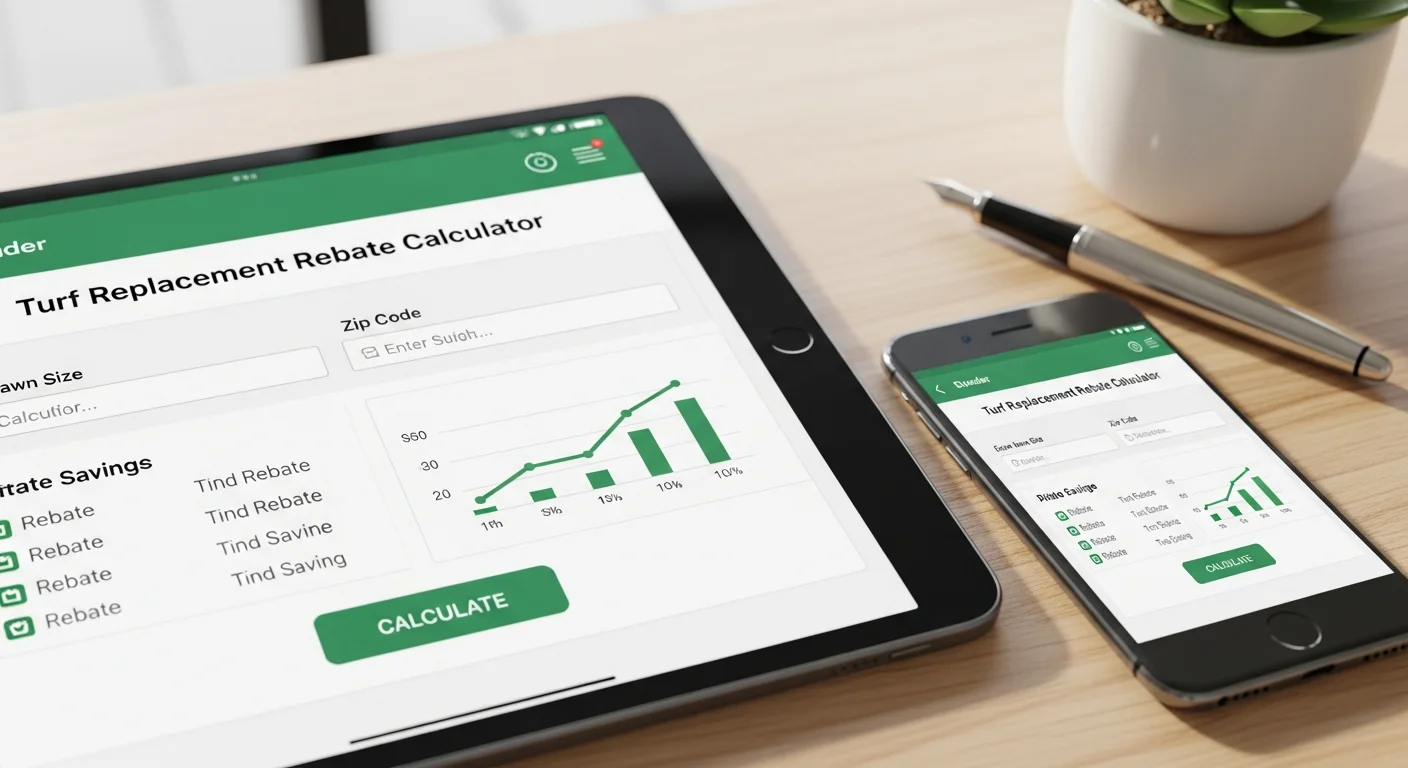
Key Takeaways
- Use a turf replacement rebate calculator to estimate potential financial returns before starting your project
- Most California water agencies require pre-approval before you remove any existing grass
- Drought-tolerant landscaping can reduce outdoor water use by up to sixty percent
- Rebates often cover a significant portion of the transformation costs for eligible homeowners
Homeowners across California are facing rising utility costs and persistent drought conditions. One of the most effective ways to combat these challenges is by utilizing a turf replacement rebate calculator to plan a landscape overhaul. By replacing thirsty lawns with sustainable alternatives, you can significantly lower your monthly expenses while receiving a substantial check from local water authorities.
According to the Metropolitan Water District of Southern California, outdoor irrigation accounts for the majority of residential water use. Transitioning to climate-appropriate plants is no longer just an environmental choice; it is a smart financial strategy. This guide will walk you through the process of calculating your potential savings and navigating the rebate application successfully.
Ready to see how much you can save?
Try the Rebate Calculator Now →How to Use the Turf Replacement Rebate Calculator
Turf Replacement Rebate Calculator
Buy NowMeasuring Your Project Area
The first step in using the turf replacement rebate calculator is accurately measuring your existing lawn. Most rebate programs pay per square foot of grass removed. You should measure the length and width of the areas you intend to convert, excluding hardscapes like driveways or patios.
Inputting Local Rebate Rates
Rebate amounts vary by zip code and water purveyor. In many parts of Orange County, the baseline rebate starts at $2 or $3 per square foot, but some local agencies offer additional incentives. Ensure you enter the most current rate into the calculator to get an accurate estimate of your water saving landscaping rebates.
Estimating Project ROI
The tool doesn't just show the rebate check amount; it also helps you visualize long-term savings. By reducing water consumption, the average homeowner sees a return on investment within just a few years. Use the calculator to compare the upfront costs of new plants against the projected reduction in your water bill.
Eligibility for Water Saving Landscaping Rebates
Pre-Conversion Grass Requirements
To qualify for most California water saving incentives, the area must currently have living grass or have been recently maintained as a lawn. If you have already cleared your yard, you may be ineligible. Always take "before" photos and wait for an official inspection or approval before starting work.
Sustainable Design Standards
According to Municipal Water District of Orange County standards, new landscapes must include a certain number of plants per square foot. Programs often require three plants for every 100 square feet and the use of permeable mulch or gravel to prevent runoff.
Stormwater Retention Features
Many programs now mandate the inclusion of a sustainability feature, such as a rain garden, bioswale, or rain barrel. These elements are designed to capture rainwater on your property, further enhancing the lawn replacement program benefits for the local ecosystem.
The Best Drought-Tolerant Landscaping Benefits
Drastic Reduction in Water Consumption
The most immediate advantage is the impact on your utility bill. Research from EPA WaterSense indicates that native plants can survive on rainfall alone once established. This eliminates the need for daily sprinkler cycles that often waste thousands of gallons of water.
Stop wasting water and money on a dying lawn.
Calculate Your Rebate Potential →Lower Maintenance Requirements
Say goodbye to weekly mowing, edging, and fertilizing. One of the primary drought-tolerant landscaping benefits is the time saved on yard work. Native gardens typically only require seasonal pruning and occasional weeding, allowing you to enjoy your weekend instead of laboring in the sun.
Enhanced Curb Appeal and Biodiversity
Modern sustainable designs are visually stunning, utilizing textures and colors that traditional turf cannot match. Furthermore, UC Division of Agriculture research shows that native plants support local pollinators like butterflies and honeybees, creating a vibrant, living ecosystem in your front yard.
Natural Grass vs Drought-Tolerant Landscaping Costs
| Cost Category | Traditional Lawn | Drought-Tolerant Garden |
|---|---|---|
| Monthly Water Cost | High ($150 - $300+) | Low ($20 - $50) |
| Maintenance Time | 2-4 Hours Weekly | 1-2 Hours Monthly |
| Fertilizer/Pesticides | Frequent Application | Rarely Needed |
| Upfront Investment | Low to Moderate | Moderate (Offset by Rebates) |
How to Get Turf Replacement Rebate Approval Fast
Step 1: Reservation and Photos
The secret to a quick approval is starting with a clear reservation. Visit the California Department of Water Resources portal or your local provider's site to secure your spot. Upload high-resolution photos of your existing green lawn and your water bill to prove residency.
Step 2: Submit a Detailed Plan
Don't leave the reviewers guessing. Submit a simple sketch showing where you will plant, the types of plants you've chosen, and the location of your sustainability features. Knowing how to get turf replacement rebate approval often comes down to following the plant list provided by your water agency.
Step 3: Post-Installation Verification
Once your project is complete, notify the agency immediately. They will likely send an inspector or request final photos to confirm the lawn is gone and the new plants are in place. Keep all receipts for materials and labor, as some programs may request them for auditing purposes.
Maximizing Your Savings in Orange County
Stacking Local and Regional Incentives
Many residents don't realize they can sometimes combine city-level rebates with regional programs. When using the turf replacement rebate calculator, double-check if your specific city, such as Irvine or Anaheim, offers a "top-up" incentive on top of the base regional rate.
Choosing Budget-Friendly Native Plants
You don't have to spend a fortune to have a beautiful yard. Buying smaller container sizes (like 1-gallon instead of 5-gallon) can save you hundreds of dollars. These smaller plants often establish more quickly and will fill out within a single growing season.
DIY vs. Professional Installation
If you are physically able, doing the labor yourself ensures the entire rebate goes back into your pocket. However, if you hire a contractor, look for those certified in water efficient garden designs. They can often navigate the rebate paperwork for you, ensuring you don't miss any critical steps.
Unlock your home's saving potential today.
Start Your Application Journey →Frequently Asked Questions
What is the current turf rebate amount in Orange County?
The standard rebate typically starts at $3 per square foot of removed turf, but it can be higher depending on your specific water district and seasonal bonuses. It is best to check the latest rates using a turf replacement rebate calculator for your specific zip code.
Does artificial turf qualify for the rebate?
Requirements vary by agency, but many California programs have shifted toward living, drought-tolerant plants rather than synthetic turf. This is because living plants help reduce the "heat island" effect and support biodiversity. Check your local agency's guidelines before choosing artificial options.
How long does it take to receive the rebate check?
Once the final inspection is approved, it generally takes 8 to 12 weeks to receive your check in the mail. Ensuring all your documentation, receipts, and photos are correct from the start will prevent delays in processing.
Do I need to hire a professional to get the rebate?
No, homeowners are welcome to complete the project themselves. As long as the finished landscape meets the program's sustainability and plant density requirements, you are eligible for the same rebate amount as someone who hired a contractor.
What are the best plants for a drought-tolerant garden?
California natives like White Sage, California Lilac, and various types of Agave or Succulents are excellent choices. These species are acclimated to the local climate and require very little water once they are established in your soil.
Conclusion
Investing in a water-wise landscape is one of the most effective ways to increase your home's value while decreasing its environmental footprint. By utilizing a turf replacement rebate calculator, you can turn a daunting home improvement project into a manageable, financially rewarding transition. The combination of immediate cash rebates and long-term utility savings makes this an easy decision for any California resident.
Don't wait for the next drought-induced rate hike to take action. Start by exploring the options available in your area, taking those crucial "before" photos, and designing a space that reflects the natural beauty of the California coast. Your wallet and the local ecosystem will thank you for years to come.
About the Author

Written by William Corcoran, Orange County Home Savings Expert
William Corcoran has helped Orange County families save money on their homes for over 15 years. Specializing in property tax reduction and smart refinancing, he offers expert guidance you can trust. www.energybot.com www.energystar.gov
Related Articles


Ready to Find Your Savings?
Get a free personalized report showing all rebates and incentives your home qualifies for.
Get My Free Report