Home Electric Vehicle Charging Costs: How Much to Install a Charging Station in 2026
Key Takeaways
- Installation costs for residential chargers typically range from 750 to 2500 dollars depending on electrical upgrades
- Federal tax credits and local utility rebates can significantly offset initial equipment expenses in 2026
- A dedicated 240 volt circuit is required for level 2 charging to achieve meaningful overnight range recovery
- Smart charging features allow homeowners to schedule sessions during off peak hours to lower electricity bills
As we move into Winter 2026, the transition to electric mobility has reached a tipping point for homeowners across the country. Deciding to install a tesla home charger is no longer just a luxury for early adopters; it is a strategic investment in your home’s infrastructure and your daily convenience. However, navigating the variables of electrical capacity, permit requirements, and equipment selection can be daunting without a clear roadmap.
The financial landscape for EV adoption has shifted significantly this year. With new state-level incentives and updated utility programs, the net home electric vehicle charging costs can be much lower than the sticker price suggests. By understanding the technical requirements early, you can avoid common pitfalls that lead to unexpected expenses during the installation process.
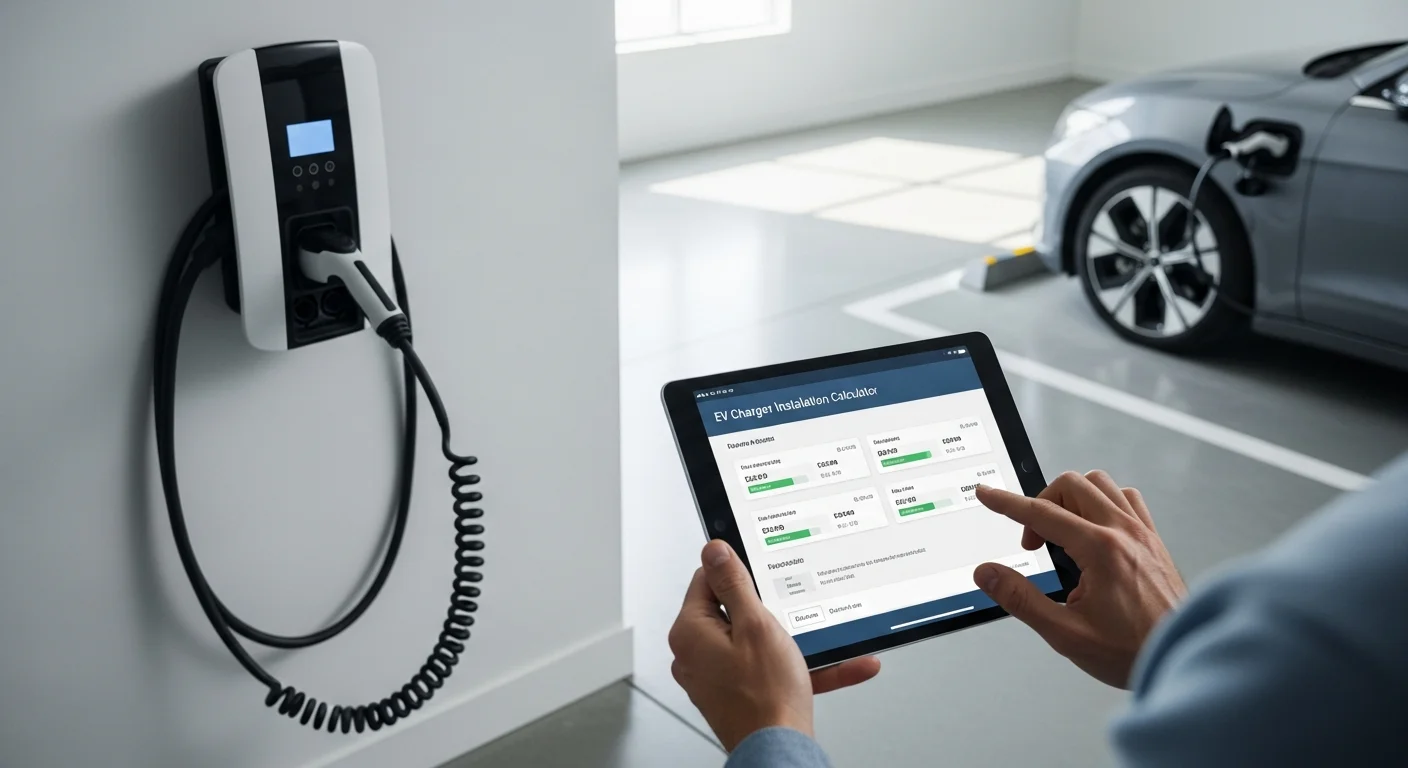
Want to know exactly what your installation will cost?
Use Our Free Cost Calculator →Understanding Home Electric Vehicle Charging Costs
EV Charger Installation Calculator
Buy NowHardwired vs. Plug-in Hardware Expenses
The initial price of the hardware is the most visible part of home electric vehicle charging costs. Most high-quality Level 2 stations in 2026 retail between $450 and $700. Hardwired units often offer higher amperage and better weather resistance for outdoor mounting, while plug-in units provide more flexibility if you move residences.
Labor and Material Variables
According to Wikipedia's charging infrastructure overview, labor typically accounts for 50% or more of the total invoice. Factors such as the distance between your main breaker panel and the garage, the need for trenching, and local permit fees can cause wide fluctuations in pricing from one home to the next.
Choosing the Best Home Charging Station 2026
Smart Features and Connectivity
The best home charging station 2026 models now feature integrated Wi-Fi for over-the-air updates and load balancing. These features allow multiple vehicles to charge simultaneously on a single circuit without overloading your electrical system, which is a critical consideration for multi-EV households.
Durability and Cable Management
Look for NEMA 4 rated enclosures if you plan to install your charger on a driveway. High-quality cables that remain flexible in Winter 2026 temperatures are essential for ease of use. Superior cable management systems prevent tripping hazards and protect the connector from damage over years of daily use.
Professional Tesla Home Charger Installation Requirements
Circuit Breaker and Wiring Standards
To support the tesla home charger effectively, you generally need a dedicated 60-amp circuit for the fastest possible Level 2 charging. This requires heavy-gauge copper wiring and a high-quality circuit breaker that can handle a continuous load for several hours at a time.
Local Building Codes and Permits
Every municipality has specific wall connector installation requirements regarding conduit placement and safety labeling. Hiring a licensed electrician ensures that your setup is compliant with the National Electrical Code (NEC), which is vital for maintaining your home insurance coverage and ensuring fire safety.
Ready to upgrade your home's charging speed?
Browse Installation Packages →Is a Level 2 Charger Worth It for Daily Driving?
Comparing Charging Speeds
When asking is a level 2 charger worth it, consider the math of range recovery. A standard wall outlet (Level 1) provides only about 3-5 miles of range per hour. In contrast, a Level 2 station provides 25-45 miles per hour, allowing you to fully recharge overnight regardless of your commute distance.
Long-Term Battery Health
Consistent home charging at moderate speeds is often gentler on your battery than frequent use of high-powered public DC fast chargers. By topping off your battery daily at home, you can maintain an optimal state of charge (usually between 20% and 80%) which may extend the lifespan of your vehicle's power cells.
| Charging Level | Miles Per Hour | Electrical Setup |
|---|---|---|
| Level 1 | 3 - 5 miles | Standard 120V Outlet |
| Level 2 | 25 - 45 miles | Dedicated 240V Circuit |
Navigating Residential EV Rebate Programs 2026
Federal Tax Credits for Infrastructure
The federal government continues to support green energy adoption in 2026. According to the Internal Revenue Service (IRS), homeowners may be eligible for a significant credit on their annual tax return for the cost of equipment and installation labor for alternative fuel vehicle refueling property.
Utility-Specific Incentives
Many local utility providers participate in residential EV rebate programs 2026 that offer upfront cash rebates or bill credits. Some programs even provide discounted hardware if you agree to join a demand-response program, which helps the grid manage energy loads during peak summer heat or winter cold snaps.
Managing Your Electrical Panel Upgrade for EV Charging
Assessing Total Household Load
If your home has a 100-amp service, you will likely need an electrical panel upgrade for EV charging. Modern homes with electric HVAC, stoves, and dryers often reach capacity quickly. Upgrading to a 200-amp panel provides the necessary headroom for your charger and future home electrification projects.
Smart Load Management Solutions
According to Department of Energy (DOE) research, smart panels can prioritize energy flow without requiring a full service upgrade. These devices monitor real-time consumption and can temporarily pause your charging session if your air conditioner or oven kicks in, keeping your total load within safe limits.
Unsure if your electrical panel can handle a new charger?
Request a Professional Assessment →
Frequently Asked Questions
How much does it typically cost to install a level 2 charger at home in 2026?
Most homeowners spend between $1,200 and $2,200 for both the hardware and professional electrical work. This price varies based on the distance of the wiring run and whether your home requires a main panel upgrade to handle the additional amperage.
Can I install the charger myself to save money?
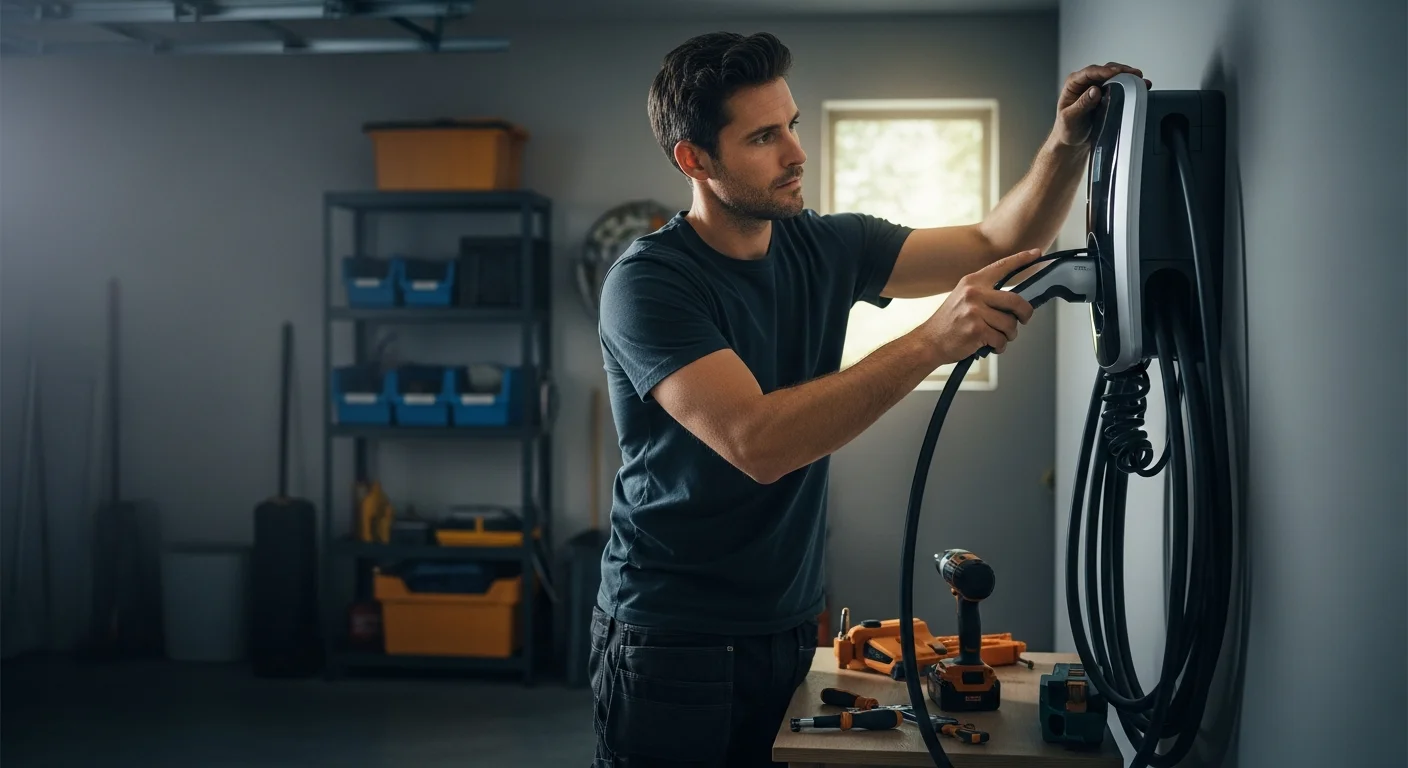
Self-installation is generally discouraged due to the high-voltage requirements and the need for building permits. Improper installation can lead to fire hazards, voided warranties, or issues with home insurance claims if an electrical event occurs.
Will a home charging station increase my property value?
Yes, real estate trends in 2026 show that EV readiness is a highly desirable feature for modern buyers. Homes with pre-installed Level 2 charging capabilities often attract more interest and can command a premium in competitive urban and suburban markets.
Do I need to change my electricity plan?
Many utilities offer Time-of-Use (TOU) rates that significantly lower the cost of electricity during overnight hours. Switching to one of these plans can reduce your monthly charging costs by 50% or more compared to standard flat-rate billing.
How long does the installation process usually take?
The physical installation typically takes 4 to 6 hours for a standard setup. However, the entire process including site assessment, permit approval from the city, and final inspection can span several weeks depending on local government backlogs.
In conclusion, setting up a tesla home charger is one of the most effective ways to enhance your ownership experience. Not only does it eliminate range anxiety by ensuring you wake up to a full battery every morning, but it also allows you to take control of your fuel costs by leveraging off-peak energy rates.
By using our calculator and staying informed about current rebates, you can ensure that your transition to home charging is both affordable and efficient. We are committed to helping you navigate the complexities of 2026 energy incentives so you can focus on the road ahead.
About the Author

Written by William Corcoran, Orange County Home Savings Expert
William Corcoran has helped Orange County families save money on their homes for over 15 years. Specializing in property tax reduction and smart refinancing, he offers expert guidance you can trust. www.energybot.com www.energystar.gov
Related Articles

Ready to Find Your Savings?
Get a free personalized report showing all rebates and incentives your home qualifies for.
Get My Free Report