Heat Pump Water Heater Rebates 2026: Save on High-Efficiency Upgrades and Installation Costs
Key Takeaways
- Heat pump water heaters can reduce household energy consumption by up to seventy percent compared to traditional units
- New federal tax credits and state level rebates in 2026 can cover a significant portion of the upfront equipment costs
- Using a localized cost calculator is essential to identifying utility specific incentives that vary by zip code
- Professional installation ensures that homeowners meet the strict eligibility requirements for high value energy rebates
As we enter Winter 2026, many homeowners are facing rising utility costs and looking for sustainable ways to manage their household budgets. Planning a hot water installation in this economic climate requires a strategic approach that prioritizes long-term efficiency over the lowest initial sticker price. By leveraging new technology, you can drastically reduce your environmental footprint while keeping more money in your pocket.
The shift toward heat pump water heaters (HPWH) has accelerated, driven by massive federal incentives and state-level climate goals. These systems work like a refrigerator in reverse, moving heat rather than generating it, which makes them incredibly efficient. In Orange County and beyond, the combination of local utility perks and national tax credits has made 2026 the ideal year for an upgrade.
Want to see how much you can save?
Access the 2026 Rebate Calculator →The Evolution of Modern Hot Water Installation in 2026
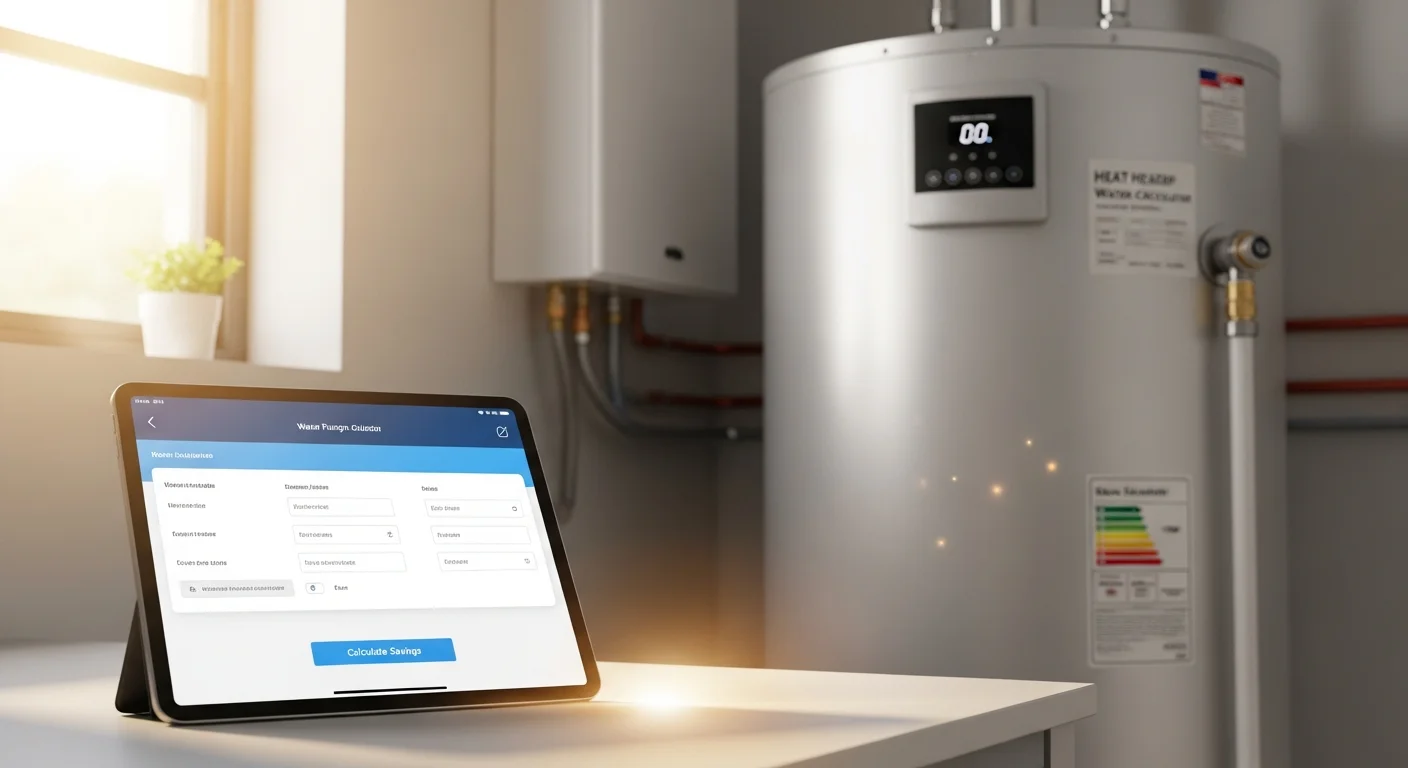
Water Heater Cost Calculator
Buy NowNew Standards for Residential Efficiency
In 2026, the building codes in many regions have shifted to favor electric solutions. According to the U.S. Department of Energy, heat pumps are now the gold standard for residential water heating due to their ability to provide cooling and dehumidification as secondary benefits during the process.
Technological Advancements in Winter 2026
The latest models released for the Winter 2026 season feature improved cold-climate performance, allowing these units to operate efficiently even in lower ambient temperatures. This makes them a viable option for a wider range of geographic locations compared to models from just a few years ago.
Understanding Heat Pump Water Heater Rebates
Federal Tax Credits Under the Inflation Reduction Act
The 25C tax credit remains a cornerstone for homeowners. As outlined by the Internal Revenue Service, qualifying high-efficiency water heater upgrades may be eligible for a credit of up to $2,000, significantly lowering the net cost of the equipment.
Local Utility Incentives in California
Many local providers offer point-of-sale discounts or mail-in rebates. When considering professional hot water installation services, it is critical to verify that your chosen contractor is part of the approved network to ensure all local utility credits are captured during the process.
Don't leave money on the table!
Calculate Your Potential Rebates Now →How the Water Heater Cost Calculator Works
Personalized Savings Based on Zip Code
Incentive programs are often hyper-local. Our 2026 calculator aggregates data from the California Energy Commission and other regional bodies to provide an accurate picture of what is available in your specific neighborhood.
Estimating Monthly Energy Bill Reductions
By inputting your current energy source (natural gas, propane, or traditional electric), the tool can project your yearly savings. Most families find that the system pays for itself in energy savings alone within just a few years of usage.
Comparing Traditional Systems vs. Heat Pump Technology
| Comparison Metric | Standard Electric Tank | 2026 Heat Pump Model |
|---|---|---|
| Energy Efficiency (UEF) | 0.90 - 0.95 | 3.50 - 4.00+ |
| Annual Operating Cost | High ($500-$800) | Low ($150-$250) |
| Federal Rebate Status | Not Eligible | Up to $2,000 Credit |
Understanding the factors affecting hot water installation price is crucial when looking at these tables. While the heat pump has a higher purchase price, the combination of lower operating costs and massive rebates makes it the financially superior choice for the long term.
Maximizing Your ROI in Winter 2026
The Best Time to Schedule Installation
Winter 2026 is seeing a surge in demand as tax seasons approach. Scheduling your upgrade early in the year ensures you beat the rush and can claim your incentives on the current year's tax filing. Organizations like Rewiring America provide extensive data on how these timelines impact your total return on investment.
Combining Upgrades for Maximum Savings
If you are also considering solar panels or electrical panel upgrades, doing them alongside your water heater can unlock additional "stacked" rebates. This holistic approach to home energy management is the most effective way to reach net-zero utility expenses.
Ready to upgrade your home's efficiency?
Find Your 2026 Savings Here →Frequently Asked Questions
Are heat pump water heaters worth it in 2026?
Yes, with the 2026 federal tax credits and state rebates, the net cost of a heat pump water heater is often comparable to a traditional unit. When you factor in the 60-70% reduction in annual energy usage, the ROI is typically achieved in under 3 years.
How do I qualify for the 2026 federal water heater tax credit?
To qualify, the unit must be an ENERGY STAR certified heat pump water heater. You claim the credit on your federal income tax return (Form 5695) for the year the installation was completed.
Do heat pump water heaters work in cold garages during winter?
Modern 2026 models are designed with advanced compressors that function effectively in temperatures as low as 40 degrees Fahrenheit. If temperatures drop lower, the unit can automatically switch to backup electric resistance mode to ensure a steady hot water supply.
Can I install a heat pump water heater myself?
While DIY is possible, many utility rebates require professional certification for the installation. Hiring a professional also ensures that your electrical panel can handle the new load and that the condensate drainage is properly managed.
What is the lifespan of a 2026 heat pump water heater?
Most high-quality heat pump units installed in 2026 have an expected lifespan of 10 to 15 years. Regular maintenance, such as cleaning the air filter every few months, can help maximize the longevity of the system.
Conclusion
Upgrading your home's water heating system is one of the most impactful decisions you can make for your finances and the environment in 2026. By choosing a high-efficiency heat pump, you aren't just buying a new appliance; you are investing in a technology that will pay dividends for the next decade through reduced utility bills and increased home value.
When finalizing your hot water installation project, always remember to use a comprehensive cost calculator to verify you are getting every cent of available rebate money. With the right planning and professional guidance, the transition to modern, clean energy heating has never been more affordable.
About the Author

Written by William Corcoran, Orange County Home Savings Expert
William Corcoran has helped Orange County families save money on their homes for over 15 years. Specializing in property tax reduction and smart refinancing, he offers expert guidance you can trust. www.energybot.com www.energystar.gov
Related Articles

Ready to Find Your Savings?
Get a free personalized report showing all rebates and incentives your home qualifies for.
Get My Free Report