Accessory Dwelling Unit Costs 2026: A Complete Guide to Backyard Homes in Orange County
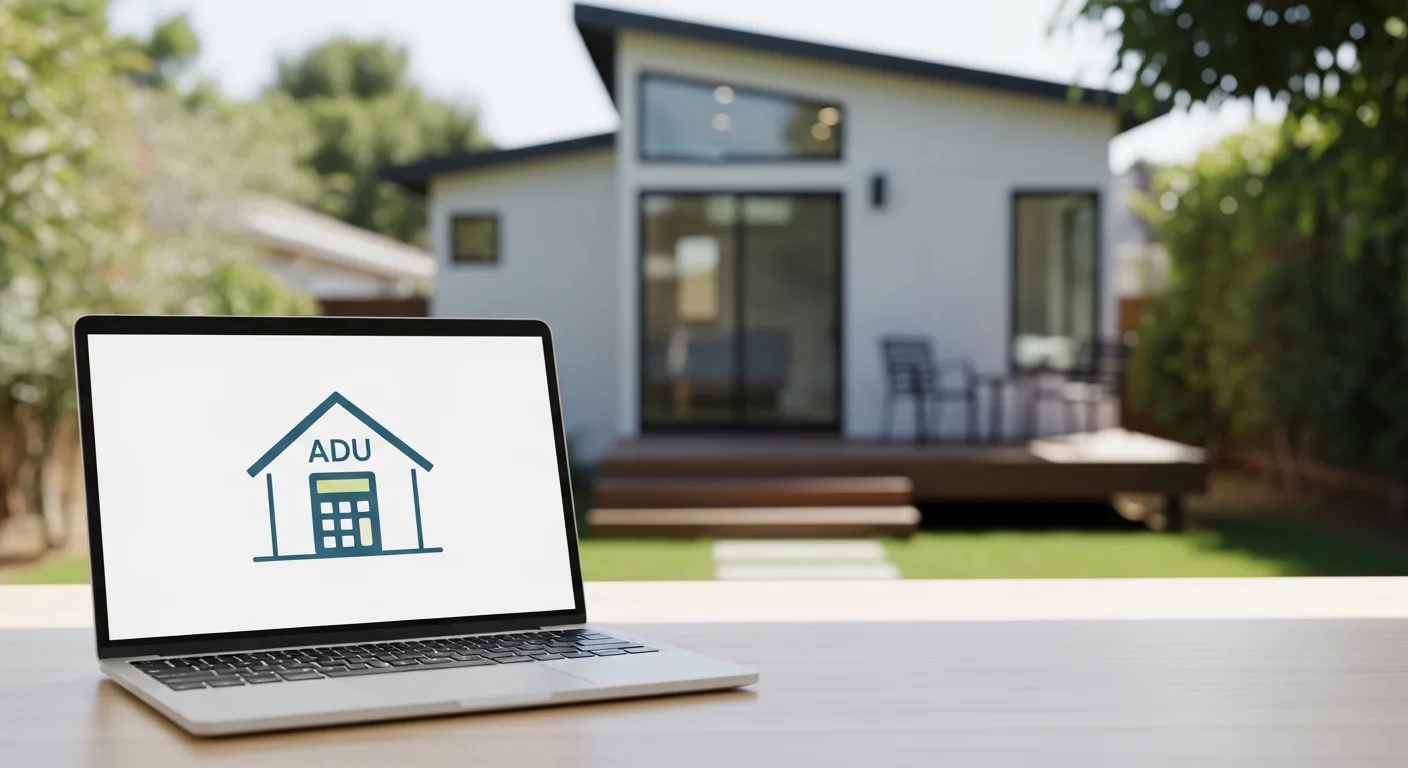
Key Takeaways
- Average ADU construction costs in Orange County for 2026 range from $250 to $450 per square foot.
- New statewide regulations in California have streamlined the permit process for detached backyard homes.
- Adding a secondary unit can increase your total residential property value by up to 35 percent.
- Rental income from a standard one-bedroom ADU in OC currently averages $2,800 to $3,500 monthly.
As we navigate the housing market in Winter 2026, many California homeowners are seeking innovative ways to maximize their land use. Increasingly, homeowners are looking toward adu housing as a primary solution for multi-generational living and supplemental income. With rising traditional home prices, building on your own lot has become a financially savvy alternative to purchasing new investment property.
According to the California Department of Housing and Community Development, the state has continued to break records for ADU applications this year. This growth is driven by legislative support and a maturing market of specialized builders who understand the nuances of local zoning. However, the first question every homeowner asks is: "How much will it actually cost?"
Understanding Accessory Dwelling Unit Costs 2026
ADU / Granny Flat Cost Calculator
Buy NowHard Costs vs. Soft Costs
When calculating accessory dwelling unit costs 2026, it is vital to distinguish between construction and administrative expenses. Hard costs include labor, materials, and utility hookups, while soft costs cover architecture, permits, and impact fees. In 2026, material prices have stabilized, but specialized labor for high-efficiency HVAC systems remains a significant budget line item.
Regional Price Variations in Orange County
Building a unit in Newport Beach or Irvine typically commands a premium due to higher subcontractor rates and stricter coastal commission oversight. Conversely, inland areas like Santa Ana or Anaheim may offer more competitive pricing for site preparation and landscaping. Homeowners should budget an additional 10-15% for unforeseen site conditions during the foundation phase.
Want an accurate estimate for your backyard project?
Use the ADU Cost Calculator →Comparing adu housing Types and Investment Value
Detached vs. Attached Solutions
When evaluating the structural options for adu housing, one must consider privacy versus budget. Detached units offer the highest rental potential and lifestyle separation but require separate foundations and utility trenching. Attached units, often built as additions or second-story conversions, can leverage existing utility lines to reduce detached adu vs attached adu cost disparities.
Prefab vs. Custom Stick-Built Units
Prefabricated modules have become a dominant force in 2026. According to research from the UC Berkeley Terner Center, industrializing the construction process can reduce timelines by up to 40%. While custom stick-built units offer total design freedom, prefab units provide a fixed-price guarantee that is highly attractive to budget-conscious homeowners.
| ADU Type | Avg. Cost (2026) | Timeline |
|---|---|---|
| Detached Custom | $300k - $450k | 10-14 Months |
| Garage Conversion | $120k - $180k | 5-8 Months |
| Prefab Modular | $220k - $320k | 4-6 Months |
Orange County ADU Regulations for Winter 2026
Simplified Permitting Pathways
Under current orange county adu regulations 2026, local jurisdictions are required to approve or deny applications within 60 days of submittal. This mandate has significantly reduced the bureaucratic friction that previously stalled projects. Furthermore, owner-occupancy requirements have been waived for many zones, allowing investors to build units on non-primary residences.
Height and Setback Adjustments
Recent updates now allow for two-story detached units up to 18-20 feet in many parts of the county, provided they meet specific setback requirements. As noted by the City of Santa Ana ADU portal, maintaining a 4-foot side and rear yard setback is standard for most residential zones, allowing for maximum lot coverage.
Ready to see if your lot qualifies for a 2026 build?
Check Your Property Potential →Maximizing ADU Rental Income Potential
Current Market Rates in Southern California
The adu rental income potential remains robust due to a persistent housing shortage. In popular coastal pockets, a modern 800-square-foot ADU can easily fetch over $3,500 per month. Beyond family use, the flexibility of adu housing provides a buffer against inflation and rising property taxes.
Design Choices That Drive ROI
To achieve the best return on investment, focus on high-demand amenities such as private outdoor spaces, in-unit laundry, and separate utility meters. According to data from Fannie Mae, homes with high-quality accessory units sell faster and for higher prices than comparable homes without them.
ADU Financing Options for Homeowners
Home Equity Lines of Credit (HELOC)
Most homeowners fund their projects through a HELOC, which allows them to borrow against the current equity of their primary home. This is often the most cost-effective of the adu financing options for homeowners, providing low-interest rates and flexible repayment terms while construction is underway.
Renovation and Construction Loans
For those with limited current equity, specialized renovation loans like the Fannie Mae HomeStyle can consider the "after-repair value" of the property. This allows you to borrow based on what the house will be worth once the ADU is completed, effectively unlocking the value of the unit before it is even built.
The Benefits of Building a Backyard Home
Multi-Generational Living Solutions
One of the primary benefits of building a backyard home is the ability to house aging parents or adult children. This arrangement offers proximity for caregiving while maintaining the independence and dignity of separate living quarters. In 2026, the "aging in place" trend has made ADUs a standard feature in many upscale neighborhoods.
Long-term Property Appreciation
Beyond immediate cash flow, an ADU serves as a significant asset for property appreciation. In the competitive Orange County market, a legal, permitted unit distinguishes your property from the competition, often commanding a appraisal premium that exceeds the how much does an adu cost to build initial investment.
Calculate your specific ROI today!
Access the Calculator →Frequently Asked Questions
What is the average cost to build an ADU in 2026?
In Winter 2026, most homeowners should expect to pay between $250,000 and $400,000 for a fully detached, custom-built unit. This price includes everything from architectural plans and permits to interior finishes and landscaping.
Do I need to provide additional parking for my ADU?
In most cases, no. California state law prohibits local cities from requiring replacement parking if you convert a garage into an ADU or build a unit within a half-mile of public transit. This has drastically lowered the garage conversion adu cost.
How long does the construction process take?
A typical project takes 10 to 14 months from the start of design to the final inspection. However, using prefabricated units or standardized plans can shorten this timeframe to as little as 6 months.
Will an ADU increase my property taxes?
Your property will undergo a "blended assessment." This means your existing home's tax base stays the same, and only the value of the new ADU is added to your total assessment. This prevents a full reassessment of your entire property.
Can I rent out my ADU on Airbnb?
This depends on your specific city's short-term rental ordinances. Many Orange County cities require a minimum 30-day lease for accessory units to preserve local housing stock, though some coastal areas may allow shorter stays with a permit.
Conclusion
Navigating the complexities of construction, permits, and financing can be daunting, but the long-term rewards are undeniable. Investing in adu housing remains one of the smartest financial moves for Orange County residents in 2026, offering both immediate utility and future wealth generation.
By leveraging modern building techniques and a clear understanding of 2026 costs, you can transform your backyard into a high-yielding asset. Whether you are housing a family member or seeking a secondary revenue stream, the key to success lies in meticulous planning and accurate budgeting from day one.
Ultimately, the decision to develop adu housing is a step toward greater financial freedom and housing security. We invite you to explore your options and take the first step toward your new backyard home by using our expert resources and community-driven tools.
About the Author

Written by William Corcoran, Orange County Home Savings Expert
William Corcoran has helped Orange County families save money on their homes for over 15 years. Specializing in property tax reduction and smart refinancing, he offers expert guidance you can trust. www.energybot.com www.energystar.gov
Related Articles
Ready to Find Your Savings?
Get a free personalized report showing all rebates and incentives your home qualifies for.
Get My Free Report