Home EV Charger Installation Costs: A 2026 Guide to Tesla Home Charging Station Benefits and Savings
Key Takeaways
- Level 2 charging stations are significantly faster than standard wall outlets for daily use
- Professional installation ensures your electrical panel can safely handle the increased load
- Federal and local rebates can offset up to thirty percent of your total installation costs
- Using an online calculator helps provide an accurate estimate for your specific home layout
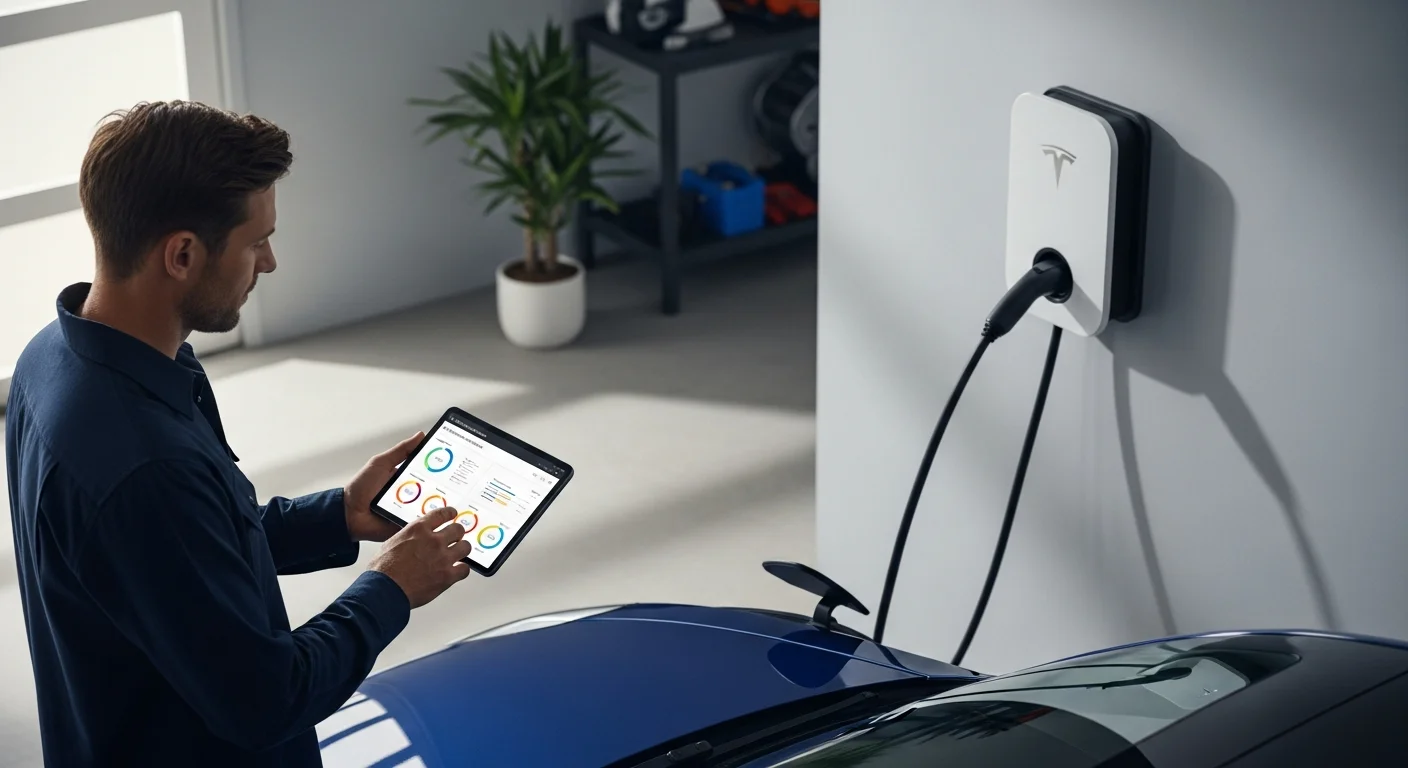
The shift toward sustainable transportation has accelerated rapidly in Winter 2026, making the convenience of electric vehicle ownership more accessible than ever. Transitioning to an electric vehicle brings the ultimate convenience of tesla charging from home, eliminating the need for frequent trips to public stations and allowing you to wake up to a full battery every single morning.
However, setting up a home fueling station requires careful planning. According to Energy.gov EV charging guidelines, nearly 80% of EV owners perform the majority of their charging at home, highlighting the importance of a reliable and fast residential setup. This guide will walk you through everything from equipment selection to cost-saving incentives available right now.
Want to know your exact setup cost?
Use the EV Charger Calculator →Tesla Home Charging Setup Basics
EV Charger Installation Calculator
Buy NowInfrastructure Requirements
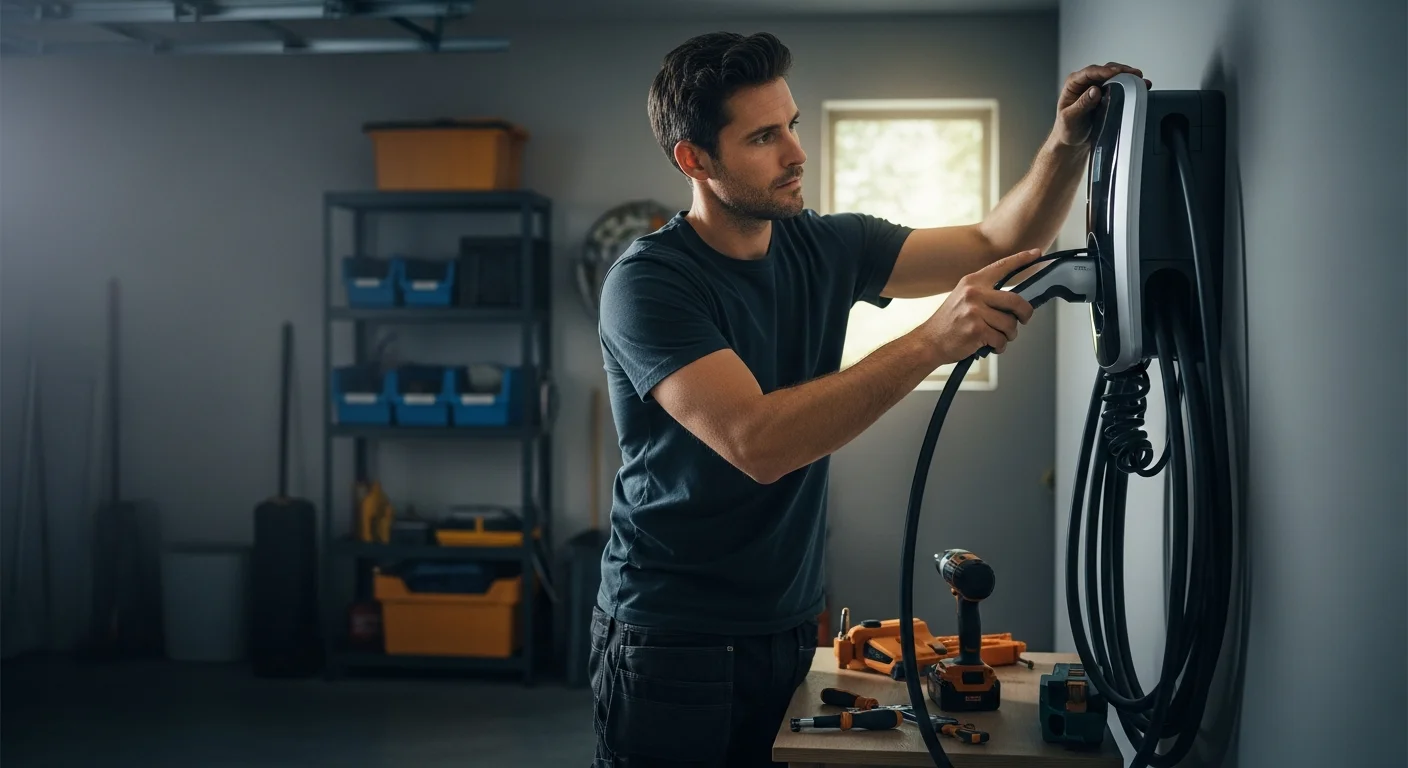
To begin, your home needs to have an electrical panel capable of supporting a 240V dedicated circuit. Most modern homes are equipped with 200-amp service, which is ideal for Tesla home charging station benefits like faster speeds and overnight reliability. Older homes may require a panel upgrade before installation can proceed safely.
Choosing Your Hardware
You typically have two primary choices: the Tesla Wall Connector or the Mobile Connector. The Wall Connector is a hardwired solution that provides the fastest possible speeds for Level 2 vs Level 1 charging for Tesla users, while the Mobile Connector offers flexibility for travel but slower charging rates when plugged into a standard wall outlet.
Level 1 vs Level 2 Charging Options
The Limits of Level 1
Level 1 charging uses a standard 120V household outlet. While it requires no special installation, it only provides about 2 to 3 miles of range per hour. This is often insufficient for daily commuters who drive more than 30 miles a day, making a professional upgrade a necessity for most owners in 2026.
The Power of Level 2
Level 2 charging operates on a 240V circuit, similar to a large appliance like a clothes dryer. This setup can provide up to 44 miles of range per hour. For many, this efficiency is why best home charger for Tesla 2026 searches focus almost exclusively on hardwired Level 2 units like the Tesla Wall Connector.
| Charging Type | Voltage | Range Per Hour |
|---|---|---|
| Level 1 (Standard) | 120V | 2-3 Miles |
| Level 2 (Professional) | 240V | 30-44 Miles |
See how much you can save on your Level 2 installation.
Find Orange County Rebates →Total Costs and Savings for tesla charging from home
Equipment and Hardware Prices
The hardware itself is a one-time investment. In 2026, a high-quality Level 2 charger typically ranges from $450 to $650. While third-party options exist, most owners prefer the Tesla Wall Connector vs Mobile Connector comparison because the native hardware integrates seamlessly with the Tesla mobile app for scheduling and energy monitoring.
Labor and Installation Expenses
The home EV charger installation costs can vary significantly based on your garage's proximity to your electrical panel. If your panel is just on the other side of the wall, costs might be as low as $500. However, if a long trench or panel upgrade is required, professional labor could exceed $1,500.
The Professional Installation Process
Permitting and Local Codes
Before any wiring begins, your electrician must secure the proper permits. According to charging station infrastructure documentation, local building codes in 2026 are stricter to ensure fire safety as home power consumption increases.
Safety and Electrical Load Management
When planning your infrastructure, prioritize the safety measures needed for tesla charging from home to protect your home's electrical system. Modern chargers now feature load-balancing technology that prevents your circuit breaker from tripping during peak usage periods like late evenings when air conditioning and chargers might run simultaneously.
Rebates and Tax Credits in 2026
Federal Incentives
The federal tax credit for EV chargers 2026 remains a powerful tool for homeowners. As detailed by the Internal Revenue Service, qualifying residents can claim a significant percentage of their hardware and labor costs, potentially saving hundreds on their year-end tax liability.
California and Local Savings
Residents in Southern California have access to additional rebates for EV chargers in California through utility providers like Southern California Edison. These programs are designed to encourage charging during off-peak hours, often providing rebates for “smart” chargers that can be controlled remotely.
Stop overpaying for your EV setup. Use our tool now.
Calculate Your Savings →
Frequently Asked Questions
How long does it take to charge a Tesla at home?
With a Level 2 Wall Connector, most Tesla models will fully charge from empty in 6 to 9 hours. This allows for convenient overnight charging during low-cost energy periods. Standard 120V outlets, however, can take several days for a full charge.
Can I install a Tesla charger myself?
It is strongly recommended to hire a licensed electrician. Professional installation ensures compliance with the National Electrical Code and validates your equipment warranty. Improper DIY installation can lead to fire hazards or damage to your vehicle's sensitive onboard charger.
What is the cost to install an EV charger in Orange County?
In Orange County, typical installation costs range from $800 to $2,000 depending on permit fees and the age of your electrical panel. Local labor rates are influenced by specific city requirements in areas like Irvine or Newport Beach.
Are there still federal tax credits for EV chargers in 2026?
Yes, federal incentives continue to support home electrification in 2026. The Alternative Fuel Vehicle Refueling Property Credit can provide a 30% tax credit for hardware and installation for eligible residents in designated areas.
Will a home charger increase my property value?
Many real estate experts suggest that EV-ready homes are becoming more desirable to buyers in 2026. According to the EPA Green Vehicle research, home charging is a key sustainability feature that modern homebuyers actively look for.
In summary, making the switch to tesla charging from home is a smart financial and lifestyle decision in 2026. By choosing the right hardware and taking advantage of current rebates, you ensure that your electric vehicle remains a source of freedom rather than a logistical hurdle. Use our specialized tools to start your journey toward a more efficient home energy ecosystem today.
About the Author

Written by William Corcoran, Orange County Home Savings Expert
William Corcoran has helped Orange County families save money on their homes for over 15 years. Specializing in property tax reduction and smart refinancing, he offers expert guidance you can trust. www.energybot.com www.energystar.gov
Related Articles
Ready to Find Your Savings?
Get a free personalized report showing all rebates and incentives your home qualifies for.
Get My Free Report