Home EV Charger Installation Cost and the Best Level 2 Charger for Tesla in 2026
Key Takeaways
- Level 2 charging remains the most efficient way to maintain battery health and speed in 2026
- Home installation costs vary based on electrical panel capacity and local labor rates
- Federal tax credits and Orange County specific rebates can offset up to 30 percent of costs
- Professional installation is required to ensure compliance with the 2026 National Electrical Code
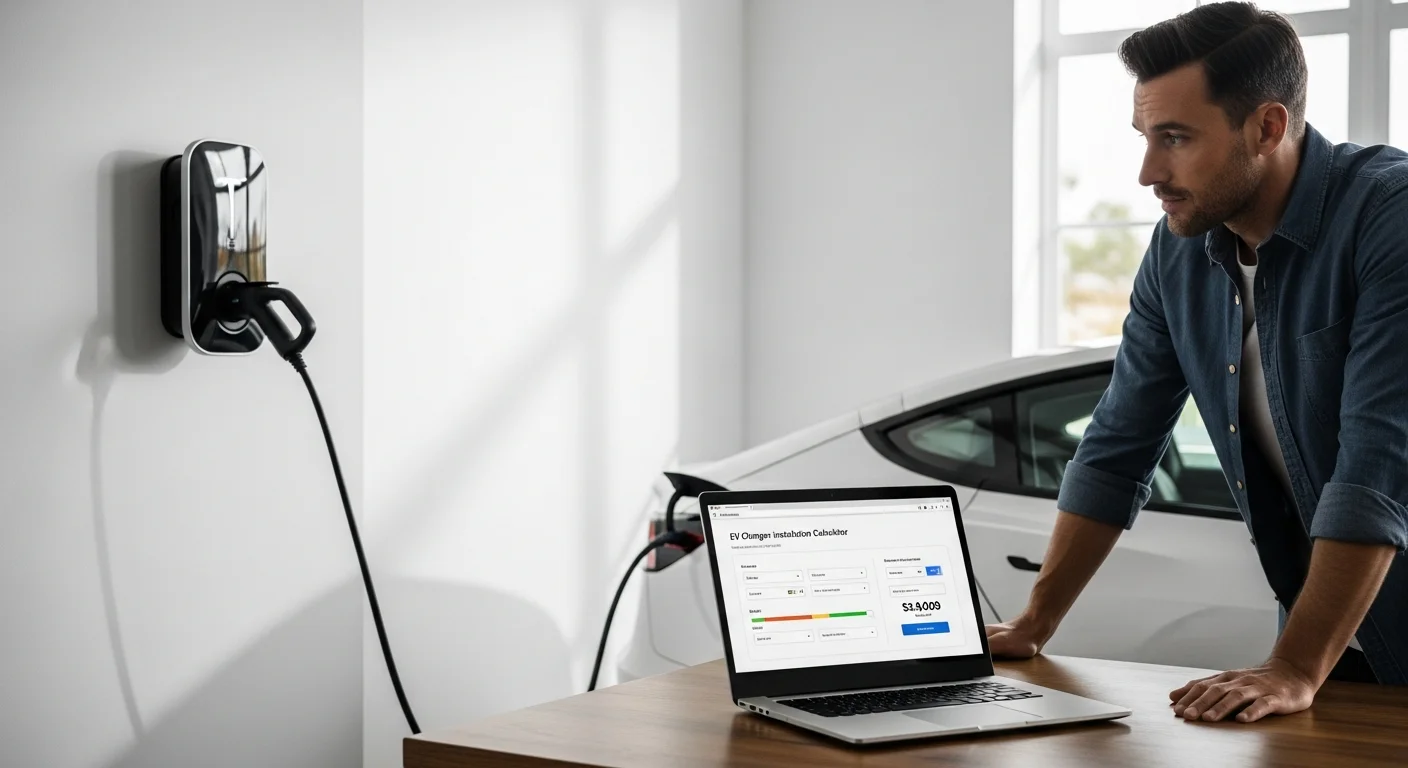
The landscape of sustainable energy is evolving rapidly in Spring 2026. For modern homeowners, securing an efficient setup for tesla charging for home is no longer a luxury but a fundamental upgrade that adds significant property value. As more drivers transition to the latest Tesla models, understanding the nuances of electrical requirements and available financial incentives is crucial for a seamless experience.
In this comprehensive guide, we will break down the latest technological advancements in charging hardware and the updated 2026 rebate structures. Whether you are a first-time EV owner or looking to upgrade your existing garage setup, this expert analysis will provide the clarity needed to make an informed decision.
Home EV Charger Installation Cost in 2026
EV Charger Installation Calculator
Buy NowAverage Hardware and Labor Expenses
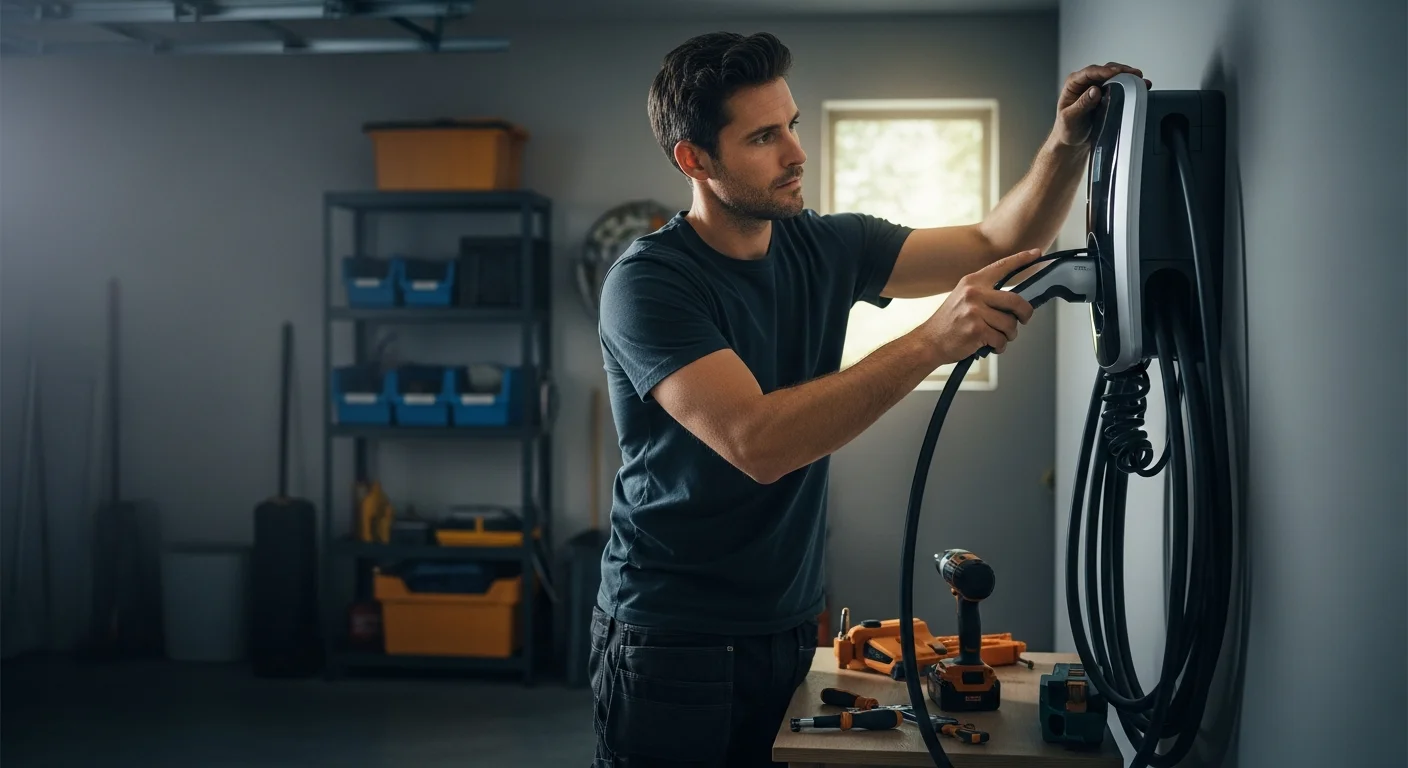
The current home ev charger installation cost ranges between $1,200 and $2,500 for a standard setup. This includes the purchase of a high-quality Level 2 station and the professional labor required for safe integration into your home’s electrical grid.
Electrical Panel Upgrades
Many older homes in Orange County may require a service panel upgrade to support the 48-amp to 60-amp load required by modern chargers. This can add $1,500 to $3,000 to your total project cost but ensures long-term safety and capacity for future appliances.
Tesla Wall Connector Installation Guide
Hardwired vs. Plug-In Options
A dedicated tesla wall connector installation guide typically recommends hardwiring the unit to achieve the maximum possible charging speed. While a NEMA 14-50 outlet offers flexibility, hardwiring allows for a higher current draw, resulting in faster overnight replenishment.
Permitting and Compliance
According to National Fire Protection Association guidelines, all residential EV installations must adhere to specific safety codes. Professional installers handle the necessary city permits, ensuring your home insurance remains valid and the system operates without risk.
Want to know exactly what your installation will cost?
Use the EV Charger Calculator →Best Level 2 Charger for Tesla 2026 Comparison
Top Rated Models for the Spring 2026 Season
Choosing the best level 2 charger for tesla 2026 involves comparing the official Tesla Wall Connector against universal alternatives. The latest hardware features integrated Wi-Fi for power sharing and smart-grid integration, allowing you to charge when rates are lowest.
| Charger Type | Max Power Output | Best For |
|---|---|---|
| Tesla Wall Connector (v4) | 11.5 kW / 48 Amp | Pure Tesla households needing maximum speed |
| Universal J1772 Charger | 9.6 kW / 40 Amp | Mixed EV fleets with adapters |
| NEMA 14-50 Outlet | 7.7 kW / 32 Amp | Budget-conscious renters or portable needs |
Federal Tax Credit and Local Rebates
Understanding the Federal Tax Credit for EV Chargers 2026
According to the Internal Revenue Service, the 30C Alternative Fuel Vehicle Refueling Property Credit has been extended into 2026. This allows eligible homeowners to claim 30% of the cost of hardware and installation, up to $1,000.
Orange County and Utility Specific Programs
Residents served by Southern California Edison can access specific ev charging station rebates orange county programs. These incentives often cover the cost of electrical upgrades or provide rebates for installing smart chargers that support demand-response programs.
Calculate your total rebates and installation savings now.
View Savings Tool →How to Charge Tesla at Home Fast
Optimizing Amperage for Rapid Recovery
To understand how to charge tesla at home fast, one must look at the circuit breaker size. A 60-amp circuit allows the charger to deliver 48 amps of continuous power, providing roughly 44 miles of range per hour of charging for a Model 3 or Model Y.
Managing Charging Schedules
Using the Tesla mobile app to schedule charging during off-peak hours (typically 12 AM to 6 AM) not only speeds up the delivery process through less grid congestion but also significantly lowers your monthly utility bill.
The Benefits of Tesla Charging for Home
Convenience and Battery Longevity
The primary appeal of tesla charging for home is the elimination of "range anxiety." Waking up to a full battery every morning is a convenience that Supercharging stations cannot match. Furthermore, consistent Level 2 charging is gentler on the battery cells than high-voltage DC fast charging.
Property Value Increase
As of 2026, homes with pre-installed EV infrastructure sell faster and at a premium. Prospective buyers view a pre-wired garage as a modern necessity, making it one of the highest ROI home improvements currently available in the California real estate market.
Frequently Asked Questions
Can I install a Tesla charger myself in 2026?
While possible, it is highly discouraged due to the high voltage involved and strict building codes. Professional installation ensures your system meets the 2026 NEC standards and protects your home's warranty and insurance coverage.
Is the 2026 federal tax credit for EV chargers still 30%?
Yes, the federal tax credit remains at 30% for hardware and installation costs, capped at $1,000 for residential properties. This credit applies to all primary residences in qualified census tracts.
How long does the installation take?
A standard installation typically takes between 4 to 6 hours. If a main electrical panel upgrade is required, the process may extend to a full day and requires a city inspection shortly thereafter.
Do I need a special permit in Orange County?
Yes, most cities in Orange County require an electrical permit for EV charger installations. This ensures that the circuit is safely installed and that your home’s electrical system isn’t overloaded.
What is the difference between a Mobile Connector and a Wall Connector?
The Mobile Connector is a portable unit that usually plugs into a standard outlet, providing slow speeds. The Wall Connector is a permanent, hardwired station providing significantly faster Level 2 charging for daily use.
Conclusion
Investing in tesla charging for home is a strategic move that pays dividends in convenience, savings, and home value. By navigating the current 2026 incentives and choosing the right professional for the job, you can ensure your transition to electric driving is both cost-effective and future-proof.
At Orange County Home Savings, we specialize in helping homeowners maximize their rebates and minimize their installation hurdles. The technology for Spring 2026 is more accessible than ever, and there has never been a better time to upgrade your home’s energy infrastructure.
Ready to upgrade your home with 2026's best charging technology?
Calculate Your Installation Costs Now →About the Author

Written by William Corcoran, Orange County Home Savings Expert
William Corcoran has helped Orange County families save money on their homes for over 15 years. Specializing in property tax reduction and smart refinancing, he offers expert guidance you can trust. www.energybot.com www.energystar.gov
Related Articles

Ready to Find Your Savings?
Get a free personalized report showing all rebates and incentives your home qualifies for.
Get My Free Report