Property Tax Savings Calculator: How to Lower Your Assessment and Reduce Costs in 2026
Key Takeaways
- Property tax assessments in 2026 can be appealed if your market value is lower than the assessed value.
- Using a digital calculator helps identify the specific dollar amount you might be overpaying.
- California Proposition 13 provides specific protections but does not prevent temporary assessment errors.
- Deadlines for filing an appeal in Orange County are strict and must be met to receive a reduction.
As we enter the Spring 2026 season, many Orange County homeowners are receiving their latest property assessment notices. With market fluctuations over the last year, there is a significant chance that your home's assessed value does not align with its current fair market value. Identifying these discrepancies early is the first step toward significant annual savings.
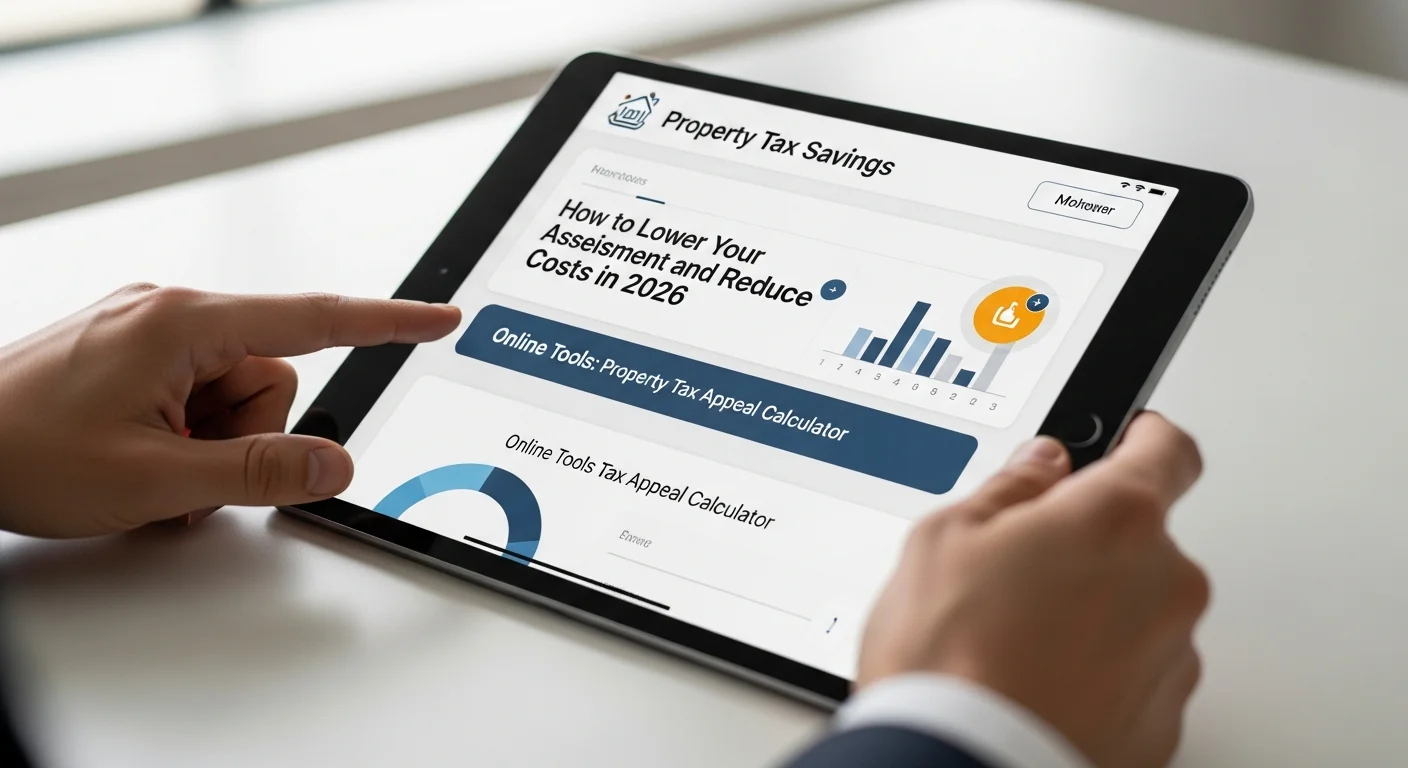
Navigating the complexities of local tax laws can feel overwhelming, but modern digital tools have simplified the process. By utilizing a specialized property tax appeal calculator, you can quickly determine if you are eligible for a reduction, functioning much like a traditional tax refund estimator for your real estate expenses.
Wondering if you are overpaying on property taxes?
Calculate Your Savings Now →Understanding Your 2026 Property Tax Assessment
Property Tax Appeal Calculator
Buy NowThe Role of the County Assessor
The county assessor is responsible for determining the value of all taxable property within their jurisdiction. According to the Orange County Assessor's Office, these valuations are used to calculate the property tax bill that funds essential local services.
How Proposition 13 Impacts Your Bill
In California, Proposition 13 limits property tax increases to 2% per year unless there is a change in ownership or new construction. However, if the market value of your home drops below your assessed value, you are entitled to a temporary reduction under Proposition 8.
Market Trends in Spring 2026
Current real estate data for 2026 suggests that while some areas remain stable, others have seen corrections. If your neighborhood has experienced a dip in sale prices, your current assessment may be inflated compared to the actual value of your property.
How to Use a Tax Refund Estimator for Property Overpayments
Identifying the Valuation Gap
A tax refund estimator specifically designed for property appeals allows you to input your current tax bill and a conservative estimate of your home's value. The tool then calculates the potential refund you could receive through a successful appeal filing.
Simplifying Complex Calculations
When you treat your appeal research as a tax refund estimator, you can better budget for your upcoming fiscal year. These tools account for local tax rates, special assessments, and potential reduction percentages based on 2026 data.
Data-Driven Decision Making
Instead of guessing if an appeal is worth the effort, a calculator provides a clear financial incentive. Homeowners who see a potential saving of $500 or more are statistically more likely to follow through with the formal process.
Ready to see your potential 2026 property tax refund?
Access the Appeal Calculator →The Step-by-Step Property Tax Appeal Process in California
Step 1: Review and Research
Compare your assessment to similar properties (comparables) that sold near the lien date. According to the California State Board of Equalization, selecting accurate comparables is the most critical part of your evidence package.
Step 2: Filing the Application
You must file an Assessment Appeal Application with the Clerk of the Board. In Orange County, the filing window typically opens in July and closes in mid-September. Missing this deadline means you forfeit your right to appeal for the current tax year.
Step 3: The Hearing and Negotiation
Many appeals are settled during an informal discussion with the assessor's staff. If an agreement cannot be reached, you will present your case before the Assessment Appeals Board, acting as an independent quasi-judicial body.
Common Grounds for a Successful Property Tax Appeal
Incorrect Property Data
Sometimes the assessor's records contain errors regarding square footage, bedroom counts, or lot size. Correcting these factual inaccuracies can lead to an immediate reduction in your property tax bill.
Decline in Market Value
This is the most common reason for an appeal in 2026. If a professional appraisal or a Prop 13 analysis shows your home is worth less than its assessed value, you have a strong case for a temporary reduction.
Comparison Table: Manual Research vs. Calculator Tool
| Approach | Benefit |
|---|---|
| Manual Searching | Detailed personal control over every data point used. |
| Digital Calculator | Instant results and accurate tax rate projections for 2026. |
| Professional Appraisal | Highest level of authority but requires upfront cost. |
Tools and Resources for Orange County Homeowners
Online Valuation Dashboards
Websites like Orange County Home Savings offer specialized dashboards that track your property value in real-time. These platforms are essential for staying ahead of assessment increases, providing a specialized tax refund estimator for local homeowners.
Government Portals
Always cross-reference your data with official USA.gov property tax resources to ensure you are following federal and state guidelines for tax reporting and deductions.
The Financial Impact of a Successful Appeal
Direct Cash Savings
A successful appeal can lower your annual property tax bill by hundreds or even thousands of dollars. Since property taxes are recurring, these savings accumulate every year that the market value remains below the assessed value.
Long-term Equity Protection
Ensuring your assessment is accurate prevents you from paying for "phantom equity." By keeping your taxes in line with reality, you protect your household cash flow for other investments or home improvements in 2026.
Frequently Asked Questions
Is there a fee to file a property tax appeal in Orange County?
In most California counties, including Orange County, there is a nominal processing fee for filing an Assessment Appeal Application. This fee is typically around $30 to $50 and is non-refundable regardless of the outcome.
Can my property taxes go up if I file an appeal?
Technically, an appeal opens your property for review. While extremely rare, if the assessor finds your property is significantly undervalued, they could increase it. However, most homeowners only file when they have clear evidence of overvaluation.
How long does the appeal process take?
The entire process from filing to a final hearing can take anywhere from six months to two years. It is important to continue paying your taxes on time while the appeal is pending to avoid penalties and interest.
What evidence do I need to win my appeal?
The strongest evidence includes recent sales of comparable properties in your neighborhood, professional appraisals, and photographs documenting any property damage or issues that lower the market value.
Do I need a lawyer for a property tax appeal?
No, homeowners can represent themselves in property tax appeals. However, many choose to use professional consultants or automated tools to ensure their evidence package is formatted correctly and compellingly.
Conclusion
Taking control of your property taxes in Spring 2026 is a proactive way to manage your home's carrying costs. By understanding the assessment cycle and knowing when to challenge a valuation, you can ensure that you are only paying your fair share. Using a property tax appeal calculator is the most efficient way to begin this journey and see the potential impact on your wallet.
As we move through the 2026 fiscal year, staying informed about local market shifts remains paramount. Before the filing deadlines approach, utilize a tax refund estimator to confirm if you're leaving money on the table. Your home is your biggest investment; don't let an inaccurate assessment drain its value.
Stop overpaying on your property taxes today.
Start Your Free Property Analysis →About the Author

Written by William Corcoran, Orange County Home Savings Expert
William Corcoran has helped Orange County families save money on their homes for over 15 years. Specializing in property tax reduction and smart refinancing, he offers expert guidance you can trust. www.energybot.com www.energystar.gov
Related Articles

Ready to Find Your Savings?
Get a free personalized report showing all rebates and incentives your home qualifies for.
Get My Free Report