2026 Guide: Cost to Install Tesla Charger and Maximize Home Charging Station Rebates
Key Takeaways
- Level 2 charging remains the standard for efficiency in Spring 2026.
- Federal and local rebates can offset up to fifty percent of installation costs.
- Professional electrical assessments prevent long-term hardware degradation.
- Smart charging integration allows for significant utility bill savings during off-peak hours.
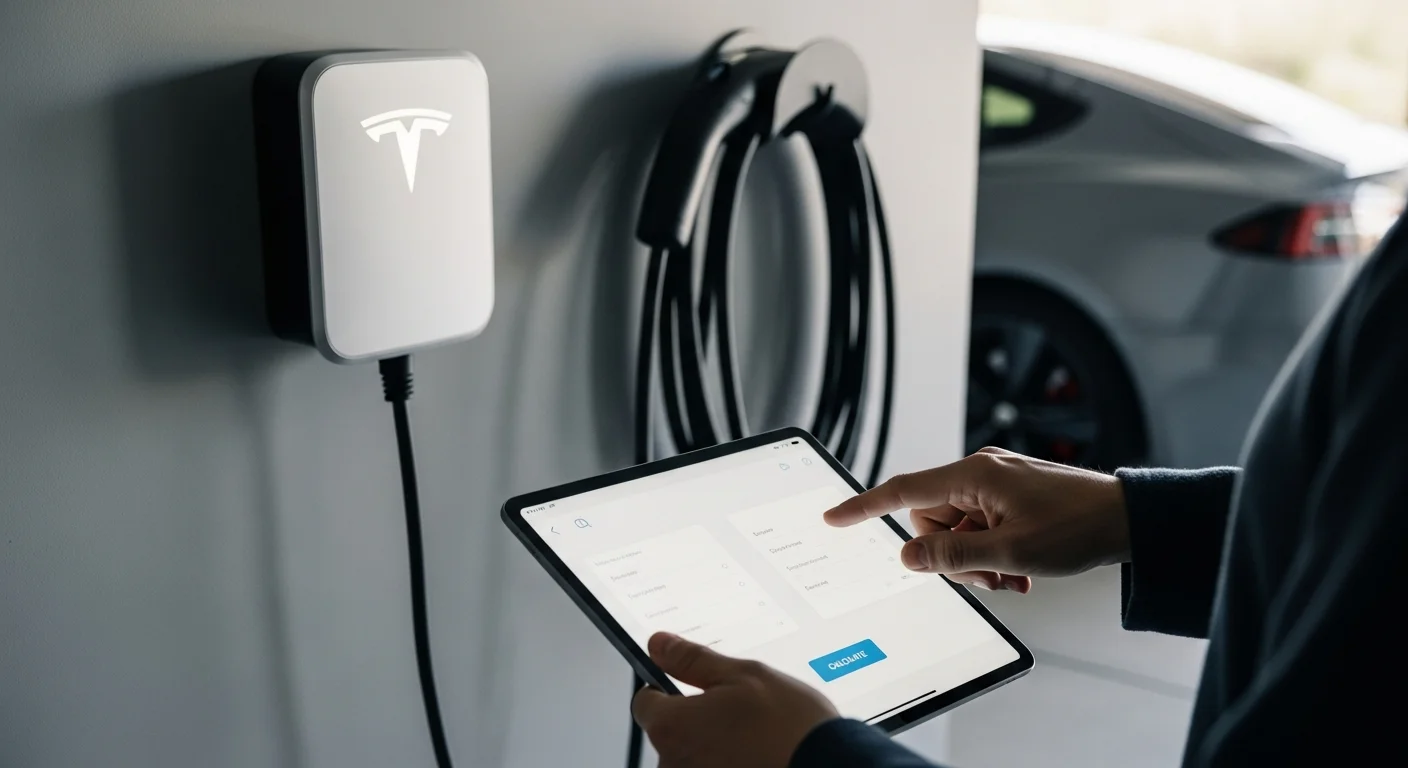
As we move deeper into Spring 2026, the landscape of personal transportation has shifted dramatically toward electrification. For many Orange County residents, the convenience of tesla charging from home has transitioned from a luxury to a daily necessity. Gone are the days of relying solely on public Superchargers; the modern homeowner now prioritizes a seamless, integrated power solution right in their garage.
Setting up a dedicated home station involves more than just plugging in a cord. It requires a strategic understanding of your home's electrical capacity, the latest 2026 hardware specifications, and the various financial incentives available to early adopters. This guide provides a roadmap for navigating these technical requirements while maximizing your return on investment.
Want an instant estimate for your setup?
Use the EV Charger Calculator →The Evolution of Residential EV Infrastructure in 2026
EV Charger Installation Calculator
Buy NowSmart Grid Integration
In 2026, home chargers are no longer passive devices. According to the U.S. Department of Energy, modern systems now utilize bidirectional charging and AI-driven load management to ensure that your vehicle charges when utility rates are at their lowest.
Universal Connector Standards
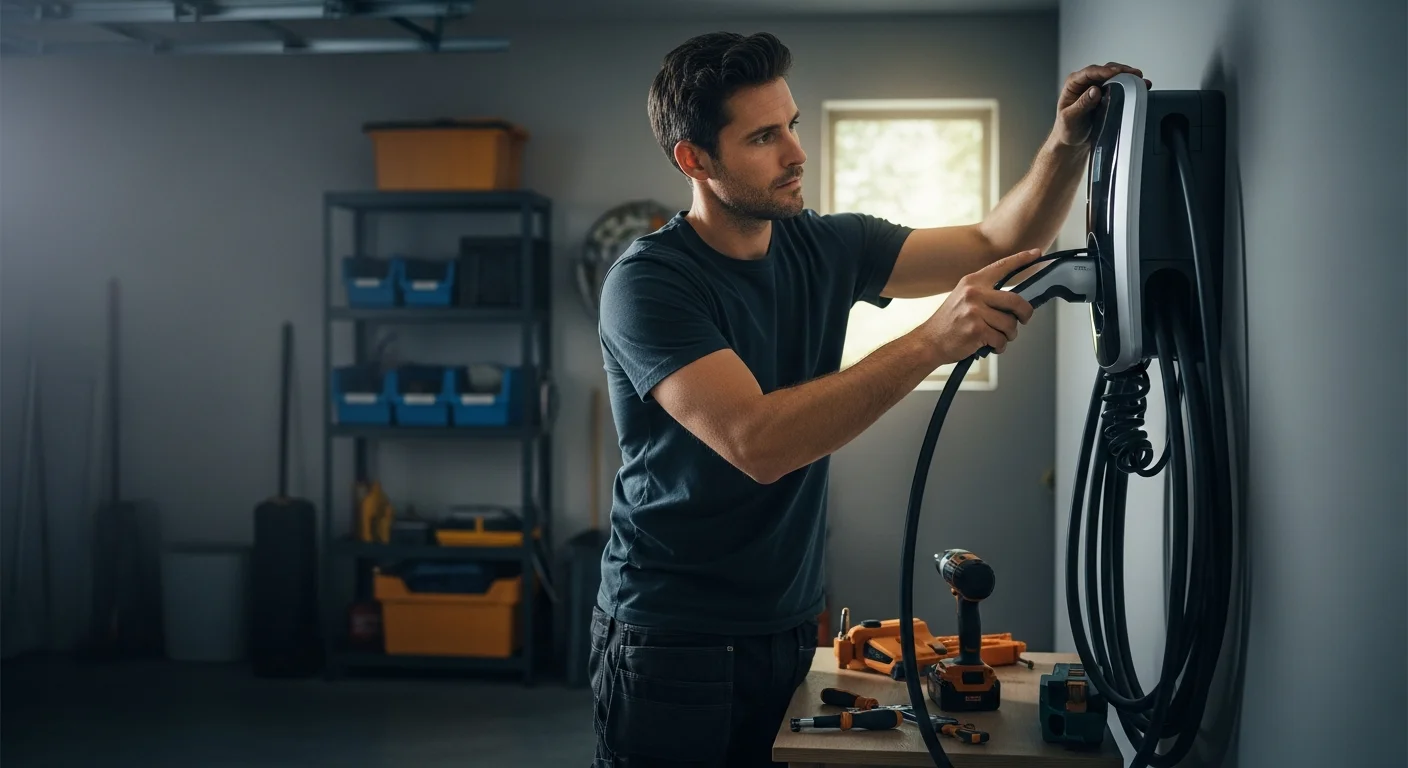
The adoption of the North American Charging Standard (NACS) has simplified the hardware landscape. Whether you are installing a Tesla-branded Wall Connector or a high-end third-party Level 2 unit, the compatibility for 2026 models is nearly universal across the board.
Calculating the Cost of Tesla Charging From Home
Hardware and Materials
The base cost for a high-quality Level 2 charger in 2026 typically ranges from $450 to $700. This includes the unit itself and necessary mounting hardware. However, specialized long-reach cables or smart-screen integrated units can push these prices slightly higher depending on your specific garage layout.
Labor and Permitting
Labor remains the most variable factor. A standard installation in Orange County might cost between $800 and $1,500, but if your electrical panel requires a 200-amp upgrade to handle the increased load, costs can increase. It is essential to factor in local permit fees, which ensure your installation meets the safety standards defined by the National Electrical Code.
Available Rebates and Incentives for Orange County
Federal Tax Credits in 2026
The Alternative Fuel Vehicle Refueling Property Credit continues to be a cornerstone for affordability. Based on research from the IRS, eligible homeowners can claim a credit for a percentage of the hardware and installation costs, provided the equipment is installed at their principal residence.
Southern California Edison (SCE) Programs
Residents in the Orange County area often qualify for utility-specific rebates. These programs frequently offer hundreds of dollars in credits back to the homeowner for installing smart-capable chargers that help the utility manage grid demand during peak summer months.
Confused by local permit requirements?
Get Professional Installation Help →Comparing 2026 Charging Speeds and Hardware
| Charger Type | Miles Per Hour | Ideal Use Case |
|---|---|---|
| Level 1 (Standard Outlet) | 3-5 Miles | Emergency / Very low daily mileage |
| Level 2 (240V / 48A) | 30-44 Miles | Standard home charging / Overnight |
| 2026 High-Output Wall Unit | Up to 48 Miles | Performance models / Dual-EV homes |
When optimizing tesla charging from home, the goal is usually to recover a full day's commute during the eight-hour sleep window. Level 2 hardware is the industry recommendation for achieving this consistently without stressing the vehicle's battery management system.
Why Professional Installation Is Non-Negotiable
Fire Safety and Heat Dissipation
Continuous high-amperage draw creates significant heat. According to the National Fire Protection Association, improper wiring is a leading cause of residential electrical fires. Certified electricians use industrial-grade torque settings and wire gauges specifically designed for EV loads.
Warranty Protection
Many manufacturers require proof of professional installation to honor hardware warranties. In the rare event of a component failure, having a signed electrical permit and invoice protects your investment and ensures you aren't left paying for replacements out of pocket.
The Long-Term Financial Impact of Home Charging
Property Value Increase
Data from the National Association of Realtors suggests that homes equipped with EV charging infrastructure sell faster and at a premium. In Spring 2026, buyers view a pre-installed Level 2 charger as a significant value-add, similar to solar panels or smart home automation.
Cost Per Mile Comparison
By utilizing tesla charging from home, drivers can often reduce their fuel costs by up to seventy percent compared to gasoline vehicles. When combined with off-peak utility rates, the "per gallon equivalent" of electricity can drop below one dollar in certain regions of California.
Ready to claim your 2026 rebates?
Check Your Eligibility Now →
Frequently Asked Questions
Can I use a standard 120V outlet for daily charging?
While possible, a standard outlet only provides about 3-5 miles of range per hour. This is generally insufficient for most commuters and can lead to battery degradation if the vehicle never reaches a full state of charge.
How long does a professional installation take?
Most standard installations are completed within 4 to 6 hours. If your home requires a significant panel upgrade or trenching to a detached garage, the process may take 1 to 2 full days of labor.
Are there any federal tax credits left in 2026?
Yes, federal incentives for residential charging infrastructure have been extended through 2026 in many districts. These credits typically cover 30% of the cost of the hardware and installation, up to a $1,000 limit for individuals.
Do I need a Tesla Wall Connector to charge my Tesla?
No, you can use any J1772 or NACS compatible Level 2 charger. However, the Tesla Wall Connector offers integrated features like auto-opening the charge port and seamless app integration that many owners prefer.
What happens if my electrical panel is full?
An electrician can install a sub-panel or use a smart load-shedding device. These devices temporarily pause the car charger if other high-power appliances (like an AC unit) are running, preventing a main breaker trip.
Conclusion
Investing in a dedicated home charging solution is the most effective way to enhance your electric vehicle ownership experience. By understanding the costs and leveraging the rebates available in Spring 2026, you can create a high-performance charging environment that saves money and adds long-term value to your property.
Whether you are just starting your EV journey or upgrading your current setup, the transition to tesla charging from home offers unparalleled convenience. For personalized assistance and accurate cost modeling, utilize professional tools and expert consultations to ensure your home is ready for the future of transportation.
About the Author

Written by William Corcoran, Orange County Home Savings Expert
William Corcoran has helped Orange County families save money on their homes for over 15 years. Specializing in property tax reduction and smart refinancing, he offers expert guidance you can trust. www.energybot.com www.energystar.gov
Related Articles
Ready to Find Your Savings?
Get a free personalized report showing all rebates and incentives your home qualifies for.
Get My Free Report