Property Tax Savings Tips: How to Lower Property Taxes in California for 2026
Key Takeaways
- Identify assessment errors quickly using digital calculation tools.
- Gather market data from comparable local properties to support your claim.
- Submit your appeal within the specific 2026 California filing windows.
- Review eligibility for special relief programs like senior exemptions.
In Winter 2026, many homeowners in California are facing unexpected rises in their annual assessments. Navigating the complexities of the local real estate market requires precision, especially when considering using a professional tax estimator to gauge whether your home has been overvalued by the county assessor. Understanding your rights as a property owner is the first step toward significant financial relief.
With the housing market shifts observed throughout 2026, many assessments may not accurately reflect the current fair market value. This discrepancy provides a prime opportunity for homeowners to challenge their tax bill. By following a structured approach, you can ensure that your contribution to the local community remains fair and equitable based on actual property worth.
Want to see how much you could save this year?
Start Your Free Appeal Calculation →California Property Tax Assessment Guide
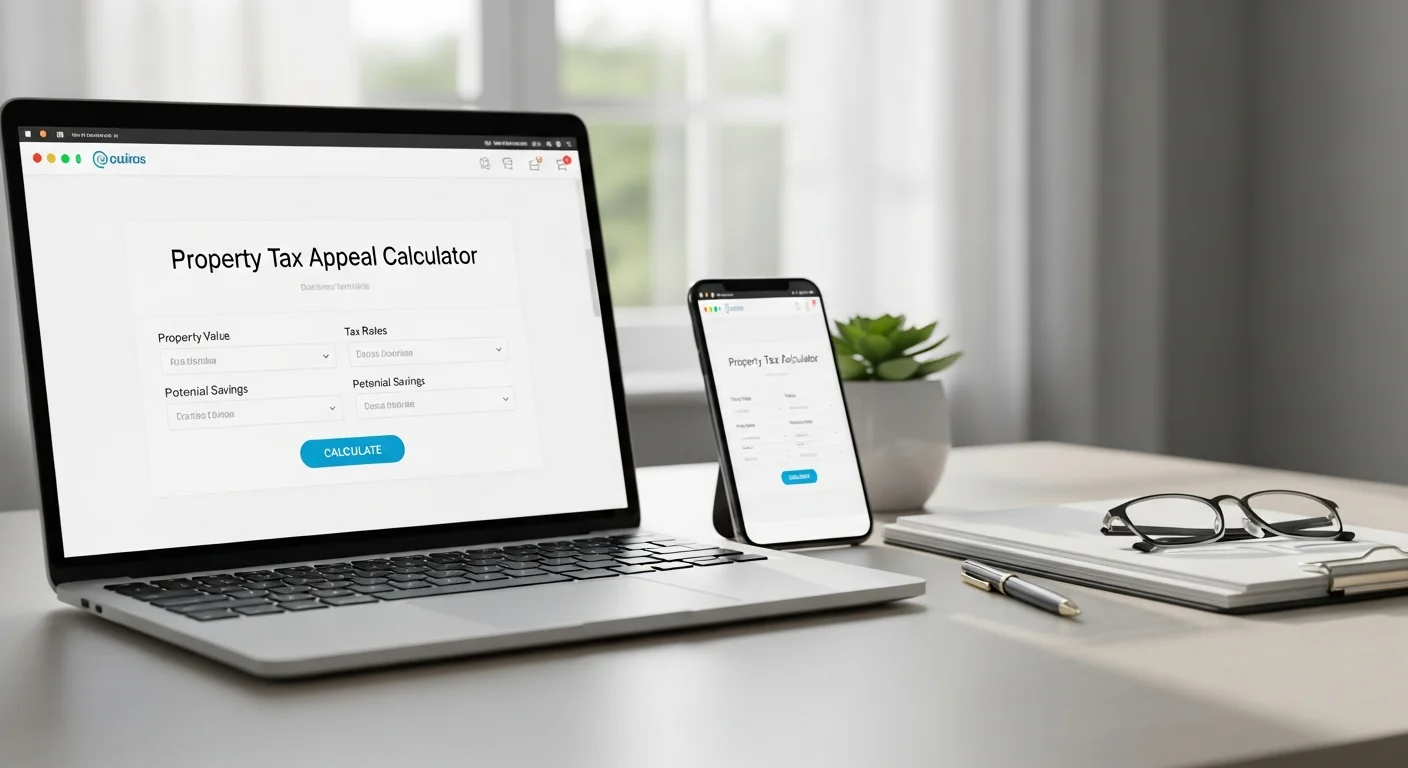
Property Tax Appeal Calculator
Buy NowUnderstanding Proposition 13 and Its Limits
In California, property taxes are largely governed by Proposition 13, which limits the annual increase of a property's assessed value. According to the California State Board of Equalization, this increase cannot exceed 2% per year unless a change in ownership or new construction occurs.
The Role of the County Assessor
The local assessor is responsible for determining the value of all taxable property within the county. However, mass appraisal techniques can often lead to inaccuracies, especially in niche neighborhoods where property values fluctuate independently of the broader market trends in Winter 2026.
Using a Tax Estimator to Spot Overvalued Assessments
Real-Time Data Comparison
Modern technology allows homeowners to bypass the guesswork involved in taxation. A reliable tax estimator provides a benchmark by comparing your assessment against real-time sales data from Winter 2026. This comparison highlights discrepancies that might warrant a formal appeal.
Avoiding Common Calculation Errors
Manual calculations are prone to human error, which can result in missed savings. Professional digital tools ensure that variables like square footage, property condition, and local zoning laws are accounted for correctly before you proceed with a challenge.
Steps to File a Property Tax Appeal in 2026
Reviewing Your Assessment Notice
Once you receive your 2026 assessment notice, examine it closely for factual errors. This includes checking the land value versus improvement value. Errors in basic data are the easiest points to correct during an informal review with the assessor's office.
Filing the Formal Application
If an informal review fails, you must file an Application for Changed Assessment. In most California counties, including Orange County, the filing window is critical. Missing this deadline can bar you from seeking a reduction until the following tax cycle.
Don't miss the 2026 appeal deadline.
Check Your Property Status Now →Gathering Property Tax Appeal Evidence
Finding Comparable Sales (Comps)
The strength of your appeal relies on "comparables." These are properties similar to yours in size, age, and location that sold near the assessment date. According to the Lincoln Institute of Land Policy, high-quality evidence is the single most important factor in a successful tax reduction.
Documenting Property Condition
If your property has structural issues or requires major repairs, document these with photos and contractor bids. Assessors often assume a property is in average or good condition; proving otherwise can lead to a lower valuation.
Property Tax Relief Programs in California
Homeowners' Exemption
Most residents are eligible for a $7,000 reduction in the assessed value of their primary residence. While modest, it is a consistent form of relief that should be claimed immediately upon purchasing a home.
Senior and Disabled Citizen Programs
Proposition 19 allows seniors (55+) and those with disabilities to transfer the base-year value of their primary residence to a replacement home. This can prevent a massive tax spike when downsizing in the 2026 real estate market.
Why You Should Calculate Property Tax Savings First
Determining ROI on Appeals
Before investing time or hiring an expert, it is essential to calculate property tax savings potentially available to you. If the projected savings are minimal, it may not be worth the administrative effort.
| Service/Feature | Homeowner Benefit |
|---|---|
| Assessment Review | Identifies factual errors in county records |
| Comp Analysis | Provides market-based proof for lower value |
| Savings Estimator | Projects total dollar savings before filing |
Frequently Asked Questions
How do I know if my property is overvalued?
You can determine this by comparing your assessed value to recent sales of similar homes in your neighborhood. If homes like yours are selling for less than your assessment, you are likely overvalued.
What is the deadline for filing an appeal in Orange County for 2026?
Typically, the deadline for regular assessments is November 30th. However, supplemental assessments have a shorter 60-day window from the date of the notice, so act quickly.
Can my taxes go up if I lose the appeal?
While rare, it is legally possible for an assessment to be increased if the evidence shows the current value is too low. This is why using a tool to verify the facts is vital before filing.
Do I need a lawyer for a property tax appeal?
No, homeowners can represent themselves. However, many choose to work with property tax experts who understand the nuances of the local Assessment Appeals Board procedures.
How long does the appeal process take?
The timeline varies by county, but it often takes several months to a year from the filing date to receive a hearing or a settlement offer from the assessor.
Conclusion
Taking control of your property taxes in 2026 doesn't have to be an overwhelming process. By understanding the California property tax assessment guide and gathering the right evidence, you can present a compelling case to the county. The key is to start early and be thorough in your documentation.
As market conditions continue to evolve throughout the year, staying informed is your best defense against unfair taxation. We recommend that every homeowner leverage a professional tax estimator to start their journey toward lower bills. With the right data in hand, you are well-positioned to secure the savings you deserve in Winter 2026.
Ready to lower your tax bill today?
Access the Savings Calculator →About the Author

Written by William Corcoran, Orange County Home Savings Expert
William Corcoran has helped Orange County families save money on their homes for over 15 years. Specializing in property tax reduction and smart refinancing, he offers expert guidance you can trust. www.energybot.com www.energystar.gov
Related Articles


Ready to Find Your Savings?
Get a free personalized report showing all rebates and incentives your home qualifies for.
Get My Free Report