Residential Solar Power Benefits: How to Lower Utility Bills and Boost Your Home Energy Score in 2026
Key Takeaways
- Solar energy significantly reduces monthly utility costs while providing energy independence
- New federal and state incentives in 2026 make installation more affordable than previous years
- A Home Energy Score is essential for quantifying efficiency gains before and after solar adoption
- Modern battery storage systems allow homeowners to utilize clean energy even during peak hours
As we navigate the Winter 2026 season, many homeowners are re-evaluating their relationship with traditional utility companies. The shift toward renewable energy has accelerated, and implementing solar electricity for home use has become a cornerstone of sustainable property management. With rising energy costs and more frequent grid instability, the desire for self-sufficiency has never been higher.
According to the U.S. Department of Energy, solar installations can provide long-term protection against fluctuating fuel prices. By generating your own power, you are essentially pre-purchasing electricity for the next 25 years at a fixed, much lower rate than what the utility provides.
Want to know how your home ranks in energy efficiency?
Get Your Home Energy Score →Benefits of Residential Solar Power
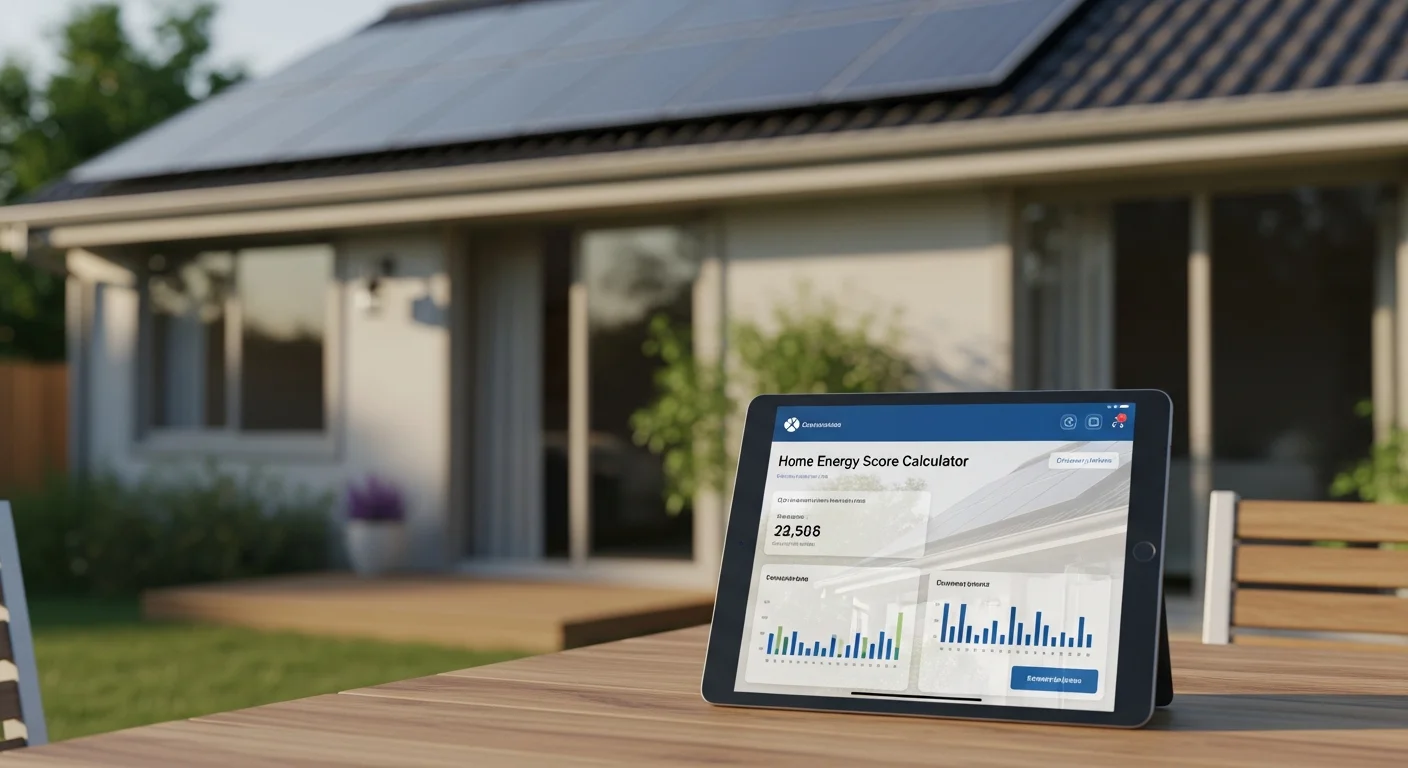
Home Energy Score Calculator
Buy NowFinancial Savings and Security
The most immediate benefit of solar adoption is the drastic reduction in monthly utility bills. Modern photovoltaic systems are more efficient than ever, allowing even homes with limited roof space to generate substantial power. By locking in your energy costs, you protect your household budget from the annual price hikes common among traditional providers.
Reduced Carbon Footprint
Environmental stewardship is a primary driver for many Orange County residents. According to EPA Greenhouse Gas Research, the average residential solar system offsets approximately 100,000 pounds of carbon dioxide over its lifespan. This is equivalent to planting over 2,000 trees.
Solar Panel Installation Cost 2026
Equipment and Labor Trends
In Winter 2026, the cost of high-efficiency solar panels has stabilized due to improved supply chains. While labor costs have seen slight increases, the overall cost per watt remains competitive. Homeowners can expect a standard installation to pay for itself within 6 to 9 years, depending on local sunlight exposure and current energy rates.
Available Financial Incentives
The federal Investment Tax Credit (ITC) remains a powerful tool for reducing total system costs. Additionally, many local municipalities offer rebates for battery storage integration. Researching the DSIRE database for renewables can reveal local performance-based incentives specific to your zip code.
Solar Electricity for Home: Maximizing Your Investment
Smart Battery Storage Solutions
To get the most out of your solar electricity for home setup, integrating a battery storage system is highly recommended in 2026. This allows you to store excess energy generated during the day for use at night or during peak pricing periods, effectively bypassing high time-of-use rates from the grid.
Optimizing Roof Placement
Professional installers now use advanced LIDAR technology to map shading patterns throughout the year. Ensuring your panels are oriented toward the south or southwest can maximize solar harvest. Regular cleaning and minor maintenance ensure that your energy production remains at peak levels for decades.
Ready to increase your home value with better efficiency?
Calculate Your Savings Potential →How to Increase Home Energy Efficiency
Improving the Building Envelope
Solar is only half the battle; reducing demand is equally important. Improving attic insulation and sealing air leaks can reduce the size of the solar array you actually need. According to Energy Star insulation guidelines, proper sealing can save an average of 15% on heating and cooling costs.
Smart Home Energy Management
Installing smart thermostats and energy-efficient appliances ensures that the energy your solar panels produce isn't wasted. Modern smart panels can now automatically divert power to essential appliances during a grid outage, providing peace of mind and operational efficiency.
Calculating Solar ROI with a Home Energy Score
The Role of the Home Energy Score
A Home Energy Score provides a standardized rating of your property's efficiency on a scale of 1 to 10. When you install solar, your score typically increases, which can be a significant selling point. Data from the Better Buildings Initiative suggests that homes with higher energy scores often sell faster and for higher premiums.
Long-term Market Value
Solar systems are increasingly viewed as essential infrastructure rather than luxury upgrades. Buyers in 2026 are specifically looking for properties that have mitigated future energy risks. A high energy score combined with a robust solar installation creates a compelling package for prospective buyers.
| Energy Source | Monthly Stability | Property Value Impact |
|---|---|---|
| Traditional Grid | Low (Variable Rates) | Neutral |
| Residential Solar | High (Fixed Costs) | Positive (4% avg increase) |
| Solar + Storage | Very High (Independence) | Maximum Marketability |
Frequently Asked Questions
Is solar electricity for home still worth it with new utility rules?
Yes, it remains a smart investment. While net metering rules have evolved, the combination of lower panel costs and high-efficiency battery storage allows homeowners to achieve a rapid return on investment by avoiding peak utility charges.
How long do solar panels last in 2026?
Most modern solar panels are warrantied for 25 to 30 years. However, they can continue to produce electricity well beyond that period, albeit at a slightly reduced efficiency level of roughly 85% of their original capacity.
How does solar impact my Home Energy Score?
Solar panels are a significant contributor to a higher Home Energy Score. By reducing the amount of energy your home needs to draw from the grid, you demonstrate a higher level of operational efficiency and environmental responsibility.
Do I need to replace my roof before installing solar?
It is generally recommended to replace your roof if it is more than 10-15 years old. Since solar panels last for 25+ years, ensuring the structure underneath is sound prevents the need to remove and reinstall the system later.
What happens during a power outage if I have solar?
If you have a grid-tied system without a battery, your system will shut off for safety reasons. However, if you have a solar battery storage system, your home will automatically switch to battery power, keeping your lights and essential appliances running.
Ready to take control of your energy future?
Start Your Energy Audit Today →Conclusion
Investing in solar electricity for home use is no longer just an environmental choice; it is a vital financial strategy for 2026. By combining renewable generation with smart efficiency measures, homeowners can create a resilient, cost-effective, and high-value property that stands the test of time.
Whether your goal is to reduce your carbon footprint or simply to escape the rising costs of the grid, the path forward starts with understanding your current efficiency. Use a Home Energy Score to establish your baseline and then watch your progress as you transition to a cleaner, brighter energy future.
About the Author

Written by William Corcoran, Orange County Home Savings Expert
William Corcoran has helped Orange County families save money on their homes for over 15 years. Specializing in property tax reduction and smart refinancing, he offers expert guidance you can trust. www.energybot.com www.energystar.gov
Related Articles

Ready to Find Your Savings?
Get a free personalized report showing all rebates and incentives your home qualifies for.
Get My Free Report