Sustainable Water Heating Solutions: The 2026 Guide to Energy Efficient Home Upgrades
Key Takeaways
- Solar thermal systems can reduce water heating costs by up to eighty percent annually
- New 2026 federal tax credits make green home upgrades more affordable than ever before
- Modern backup systems ensure hot water availability even during consecutive cloudy days
- Combining solar collectors with heat pump technology offers the highest energy efficiency
As we move into Spring 2026, homeowners are increasingly looking for ways to combat rising utility costs while reducing their environmental footprint. One of the most effective strategies to achieve this balance is by upgrading to a solar water boiler, a technology that harnesses the clean, renewable energy of the sun to provide consistent hot water.
Water heating typically accounts for about eighteen percent of a home's total energy consumption. By transitioning to energy efficient water heating 2026 standards, you can secure long-term financial stability and contribute to a more sustainable future for the local community.
The Evolution of Residential Sustainable Heating
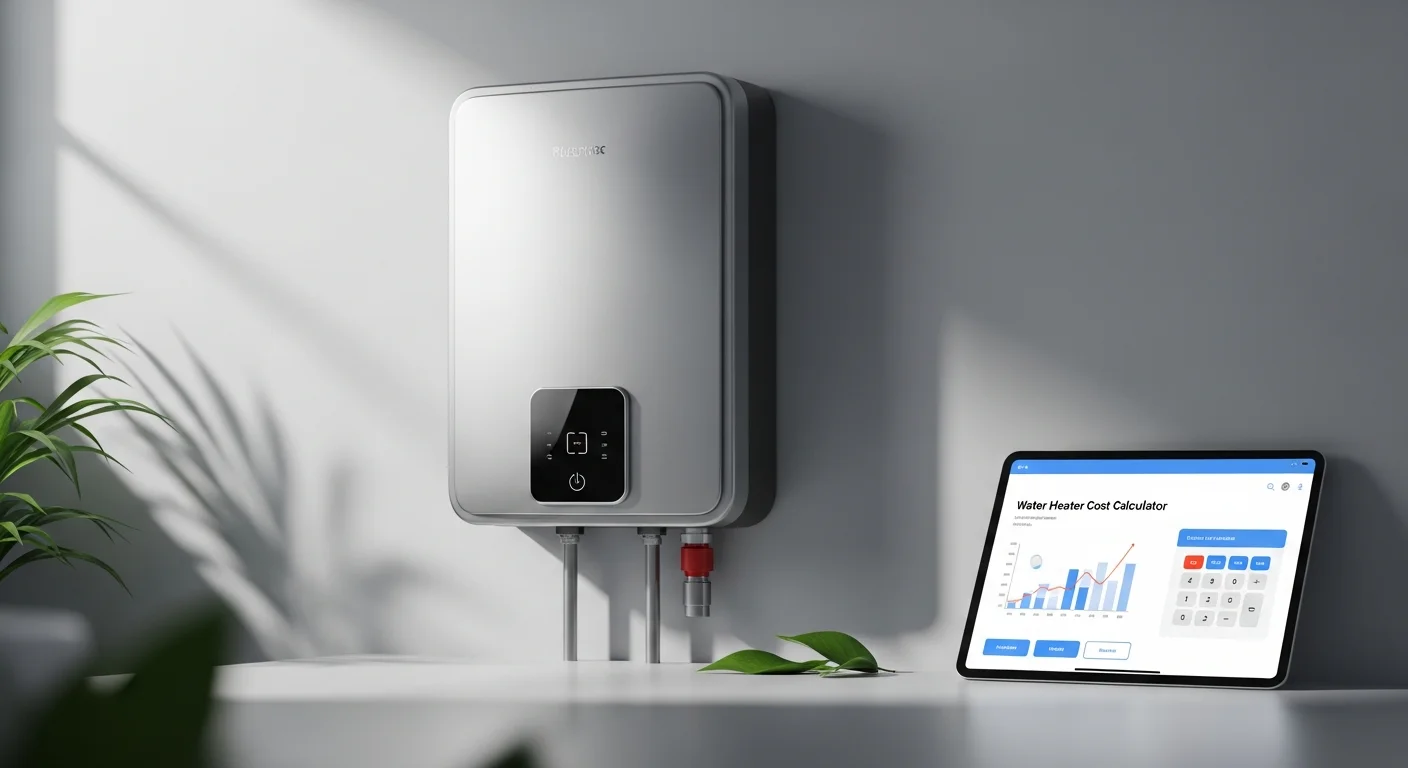
Water Heater Cost Calculator
Buy NowAdvancements in Thermal Technology
According to the U.S. Department of Energy, solar water systems have undergone significant improvements in collector efficiency over the last decade. Modern vacuum tube collectors can now absorb heat even in colder climates, making them viable across various regions.
Market Trends in Spring 2026
The residential sector is seeing a massive shift toward sustainable water heating solutions. Homeowners are no longer viewing these as niche gadgets but as essential infrastructure for modern, resilient homes.
Solar Water Boiler Efficiency and System Mechanics
Active vs. Passive Systems
Active systems utilize circulating pumps to move fluid through the collectors, while passive systems rely on natural convection. Choosing the right configuration for your solar water boiler depends on your household size and local sunlight availability.
Optimizing Collector Placement
For maximum output, collectors should be oriented to catch the peak intensity of the sun. Proper angling is crucial for residential solar heating benefits to be fully realized throughout the changing seasons of 2026.
Ready to see how much you can save on energy upgrades?
Calculate Your Savings Now →Comparing Solar Thermal vs Heat Pump Water Heaters
Efficiency Metrics
When analyzing solar vs heat pump water heaters, it is important to look at the Uniform Energy Factor (UEF). While heat pumps are incredibly efficient, solar thermal systems offer the unique advantage of zero operational energy costs during daylight hours.
Hybrid Integration
Many high-end green home upgrades 2026 now involve hybrid systems. This allows the solar thermal unit to handle the primary load, with a heat pump serving as a highly efficient backup for nighttime or overcast periods.
| Heating Type | 2026 Monthly Operating Cost | Primary Benefit |
|---|---|---|
| Solar Thermal | $5 - $15 | Near-zero operating costs |
| Heat Pump | $15 - $25 | Consistent high efficiency |
| Electric Standard | $50 - $80 | Low initial equipment cost |
Financial Incentives: Water Heater Tax Credits 2026
Federal Investment Tax Credit (ITC)
The current 2026 federal tax credit covers 30% of the solar water heater installation cost. This credit applies to both the equipment and the labor required for installation, significantly shortening the payback period.
State and Local Rebates
As noted by the DSIRE database, many states offer additional rebates that can be stacked with federal incentives. In California, these programs often provide thousands of dollars in instant savings at the point of purchase.
Don't leave money on the table. Check your eligibility for 2026 rebates.
View Rebate Calculator →Reducing Home Energy Bills with Solar Technology
Long-Term Return on Investment
While the upfront cost is higher than traditional tanks, a solar water boiler typically pays for itself within 7 to 10 years. Given that these systems can last for 20 years or more, the net savings are substantial.
Impact on Property Value
Studies from the National Renewable Energy Laboratory suggest that energy-efficient homes sell faster and for higher premiums. Buyers in 2026 are specifically looking for integrated solar solutions.
Choosing the Best Solar Thermal Systems for Homes
Sizing Your System Correctly
An oversized system leads to wasted energy and excess heat, while an undersized system won't meet your demands. It is essential to work with an expert to calculate your hot water usage profile.
Maintenance Best Practices
Regular check-ups on pumps and heat transfer fluids ensure the system operates at peak efficiency. Most modern systems feature digital monitoring tools to alert you to any maintenance needs automatically.
Start your transition to a greener home today with our expert tools.
Explore Your Options →Frequently Asked Questions
How much can I save with a solar water heater in 2026?
Most homeowners see a reduction of 50% to 80% in their water heating bills. With utility rates rising in 2026, these savings represent a significant portion of the total household budget over time.
Does the solar system work on cloudy days?
Yes, solar thermal collectors can still absorb diffuse radiation on cloudy days. Furthermore, all professional installations include a backup heating source to ensure you never run out of hot water regardless of the weather.
What are the 2026 federal tax credits for water heaters?
Under current legislation, homeowners can claim a 30% tax credit for qualified solar water heating property. This is a direct reduction in the taxes you owe, making it one of the most powerful financial incentives available.
How long does a solar water boiler last?
A well-maintained solar water boiler is built to last between 20 and 25 years. This is significantly longer than the 10-12 year lifespan typical of conventional gas or electric water heaters.
Is my roof suitable for solar thermal collectors?
Ideally, you need a south-facing roof with little to no shading. However, modern mounting systems allow for installation on various roof types and orientations, and ground-mount options are also available if the roof is not viable.
Conclusion
Investing in a solar water boiler is one of the smartest financial and environmental decisions a homeowner can make in Spring 2026. The combination of high-efficiency technology and robust federal tax incentives makes the transition more accessible than ever before.
By choosing sustainable water heating solutions, you are taking a proactive step toward energy independence and protecting yourself from future utility price hikes. As we look toward the remainder of 2026, the benefits of going solar continue to outweigh the initial investment costs.
To explore the potential for your specific home, utilize tools that help you navigate the complex landscape of rebates and installation costs. Transitioning to a solar water boiler today ensures a more efficient, cost-effective home for decades to come.
About the Author

Written by William Corcoran, Orange County Home Savings Expert
William Corcoran has helped Orange County families save money on their homes for over 15 years. Specializing in property tax reduction and smart refinancing, he offers expert guidance you can trust. www.energybot.com www.energystar.gov
Related Articles

Ready to Find Your Savings?
Get a free personalized report showing all rebates and incentives your home qualifies for.
Get My Free Report