Accessory Dwelling Unit Costs 2026: A Guide to Building Backyard Homes and Granny Flats
Key Takeaways
- Backyard home construction costs have stabilized in Spring 2026 providing better predictability for homeowners
- Permit streamlining in California continues to reduce the soft costs associated with new construction
- Prefabricated units offer a faster timeline but custom builds still provide the highest long term property value increase
- Utilizing an accurate cost calculator is essential for securing favorable financing terms this year
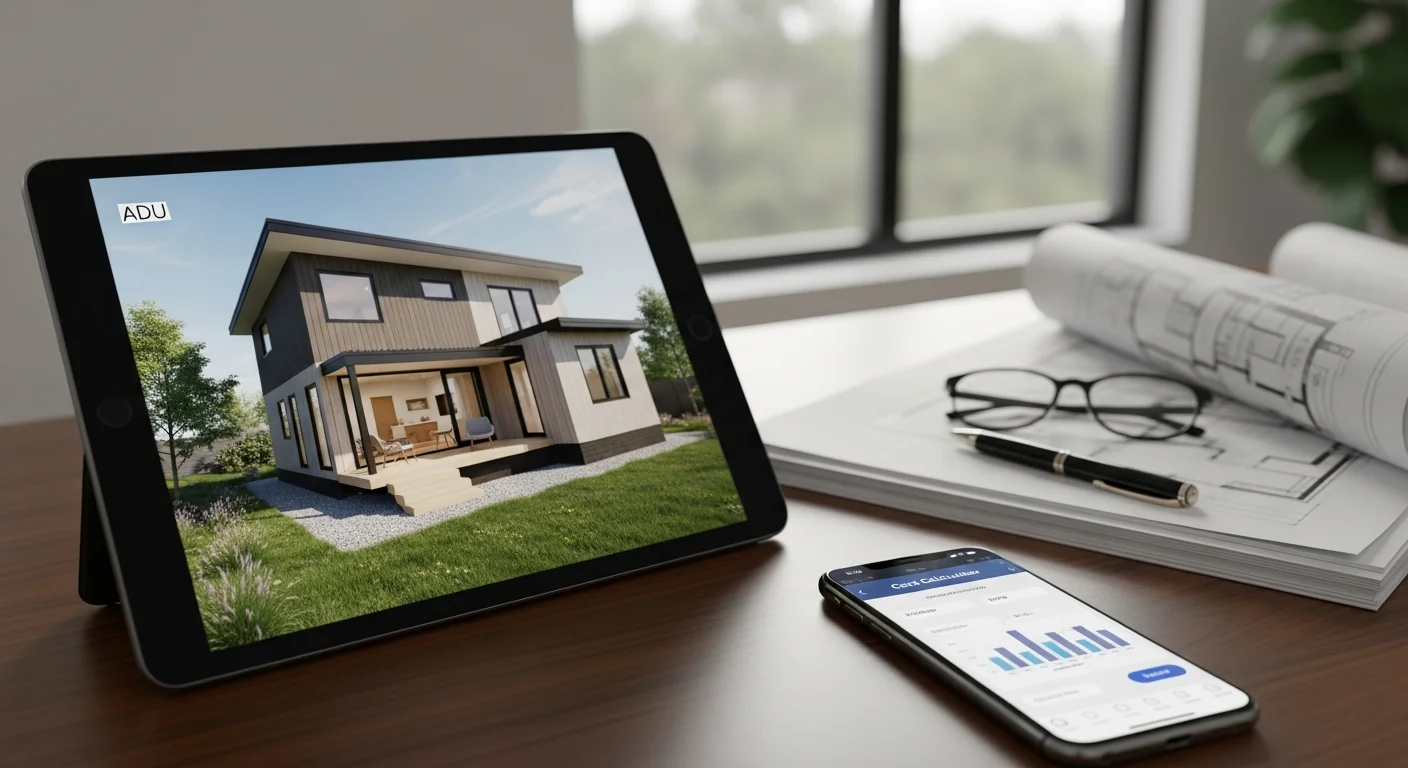
As we move through the Spring 2026 season, the demand for flexible living spaces has never been higher. Homeowners are increasingly looking at adu housing as a primary solution for multi-generational living and supplemental rental income. Whether you are housing an aging parent or creating a home office, understanding the current economic landscape is vital for a successful build.
The construction industry has seen significant shifts in material availability and labor costs since last year. For residents in high-density areas, these backyard additions represent more than just extra square footage; they are a strategic investment in real estate. This guide explores the comprehensive costs and benefits of building an accessory dwelling unit in the current market.
The Financial Reality of adu housing in 2026
ADU / Granny Flat Cost Calculator
Buy NowMarket Trends and Price Stability
Entering 2026, the cost per square foot for secondary units has stabilized compared to the volatility seen in previous years. According to recent data from the California Department of Housing and Community Development, legislative updates have made it easier for homeowners to predict their total expenditure before breaking ground.
The Role of the ADU Cost Calculator 2026
Budgeting is the most critical phase of any construction project. Using an adu cost calculator 2026 allows you to input specific variables like zip code, unit size, and finish quality to get a realistic estimate. This transparency helps avoid the common pitfall of mid-project budget exhaustion.
Breaking Down Construction Costs for Backyard Cottages
Hard Costs: Materials and Labor
Hard costs typically account for 70-80% of your total budget. These include foundation work, framing, roofing, and interior finishes. In the Spring 2026 market, high-efficiency windows and sustainable insulation have become standard requirements for meeting new energy codes.
Utility Connections and Site Prep
Never underestimate the cost of connecting your new unit to existing sewer, water, and electrical lines. Depending on the distance from the primary home and the capacity of your current electrical panel, these "invisible" costs can range from $5,000 to $15,000.
Ready to see how much your dream ADU will cost?
Calculate Your ADU Costs Now →Permitting and Regulatory Expenses in Spring 2026
Statewide vs. Local Mandates
While state laws have simplified the approval process, local impact fees still vary. As noted by the Terner Center for Housing Innovation, some jurisdictions offer fee waivers for units under 750 square feet, which can save homeowners thousands in upfront costs.
Architectural and Engineering Fees
Soft costs include the professional services required to get your plans approved. In 2026, many cities offer "pre-approved" plans which can significantly reduce design fees, though they limit the amount of customization available for your specific lot.
Prefab vs. Custom Stick-Built Accessory Dwelling Units
The Speed of Modular Construction
Prefabricated units have gained massive popularity in 2026 due to their shortened construction timelines. Because they are built in a controlled factory environment, weather delays are eliminated, and on-site disruption is kept to a minimum of just a few weeks.
The Value of Custom Site-Built Units
Conversely, stick-built units allow for architectural matching with your existing home. This cohesion is often preferred for high-end adu housing projects where maintaining the aesthetic integrity of the property is a priority for future resale value.
| Build Type | Avg. Timeline | Cost Predictability |
|---|---|---|
| Prefab / Modular | 3-5 Months | High |
| Custom Stick-Built | 8-12 Months | Medium |
| Garage Conversion | 4-6 Months | Variable |
Unsure which build type fits your budget?
Get Your Custom Quote →Financing Your Secondary Dwelling Unit Project
HELOCs and Home Equity Loans
With home values remaining strong in 2026, Home Equity Lines of Credit (HELOC) remain the most popular way to fund construction. They offer flexibility in draws, meaning you only pay interest on the money you have actually spent at each phase of the build.
Construction-to-Permanent Loans
For those without substantial equity, specialized construction loans are an excellent alternative. These loans consider the "future value" of the property once the unit is completed, often allowing for higher borrowing limits than traditional personal loans.
Maximizing Property Value and Rental ROI
The Rental Income Potential
In markets with high housing demand, a well-designed unit can generate significant monthly cash flow. Many homeowners find that the rental income not only covers the new loan payment but also contributes to the primary mortgage, accelerating their path to debt-free homeownership.
Long-term Equity Gains
Adding adu housing typically increases a property's market value by 20% to 35%. This "instant equity" is a powerful wealth-building tool, particularly in urban areas where land is scarce and separate living units are in high demand.
Take the first step toward increasing your property value today.
Start Your Free Estimate →Frequently Asked Questions
How much does an average ADU cost in 2026?
While prices vary by region, most homeowners should budget between $150,000 and $350,000 for a detached unit. Garage conversions are typically more affordable, starting around $90,000 depending on the condition of the existing structure and utility needs.
Does building an ADU increase my property taxes?
Yes, but only the value of the new construction is assessed. Your primary home's tax basis remains unchanged under most current regulations, meaning your total tax bill will increase based only on the added value of the new dwelling unit.
Can I build an ADU if I have an HOA?
In states like California, HOAs are legally prohibited from banning ADUs entirely. However, they can still enforce reasonable design guidelines regarding materials and aesthetics to ensure the new unit matches the neighborhood's overall look.
Is a prefab ADU better than a custom build?
It depends on your priorities. Prefab is superior for speed and cost certainty, while custom builds offer better integration with your lot's unique landscape and the architectural style of your main residence.
How long does the permitting process take in 2026?
Thanks to recent legislative improvements, many jurisdictions are now required to approve or deny applications within 60 days. However, the pre-application phase—including drafting and engineering—can still take 2-4 months.
Conclusion
Investing in adu housing in 2026 is one of the most effective ways to combat rising housing costs while adding long-term value to your property. By leveraging modern construction methods and current financing tools, you can create a versatile space that serves your family for decades to come.
Remember that the key to a stress-free project is early planning and accurate budgeting. Use the tools available to you to understand your potential expenses before you sign a contract. With the right preparation, your new backyard home will be a source of pride and financial stability for years to come.
About the Author

Written by William Corcoran, Orange County Home Savings Expert
William Corcoran has helped Orange County families save money on their homes for over 15 years. Specializing in property tax reduction and smart refinancing, he offers expert guidance you can trust. www.energybot.com www.energystar.gov
Related Articles
Ready to Find Your Savings?
Get a free personalized report showing all rebates and incentives your home qualifies for.
Get My Free Report