Heat Pump Water Heater Rebates 2026: Maximizing Savings and Efficient Energy Options
Key Takeaways
- Heat pump water heaters offer the highest efficiency ratings for most 2026 residential applications.
- New federal and state rebates can cover a significant portion of upgrade costs this Spring.
- Using a dedicated cost calculator is essential for identifying localized utility incentives.
- Hybrid systems often provide a faster return on investment compared to older thermal technologies.
As we move into Spring 2026, homeowners are facing a rapidly changing landscape for domestic energy. With updated building codes and new environmental regulations, choosing between a heat pump and a solar powered water heater has become a central decision for those looking to reduce their carbon footprint and monthly utility bills. According to the U.S. Department of Energy, water heating is the second largest energy expense in most homes, making efficiency upgrades a top priority.
The technology behind high-efficiency water heaters has advanced significantly this year. Today’s systems are smarter, quieter, and more integrated into the home ecosystem than ever before. Whether you are replacing a failing unit or proactively upgrading to a greener solution, understanding the financial incentives available in 2026 is the first step toward long-term savings.
Want to see how much you can save on a new water heater today?
Try Our Rebate Calculator →Efficiency Standards for 2026 Water Heating
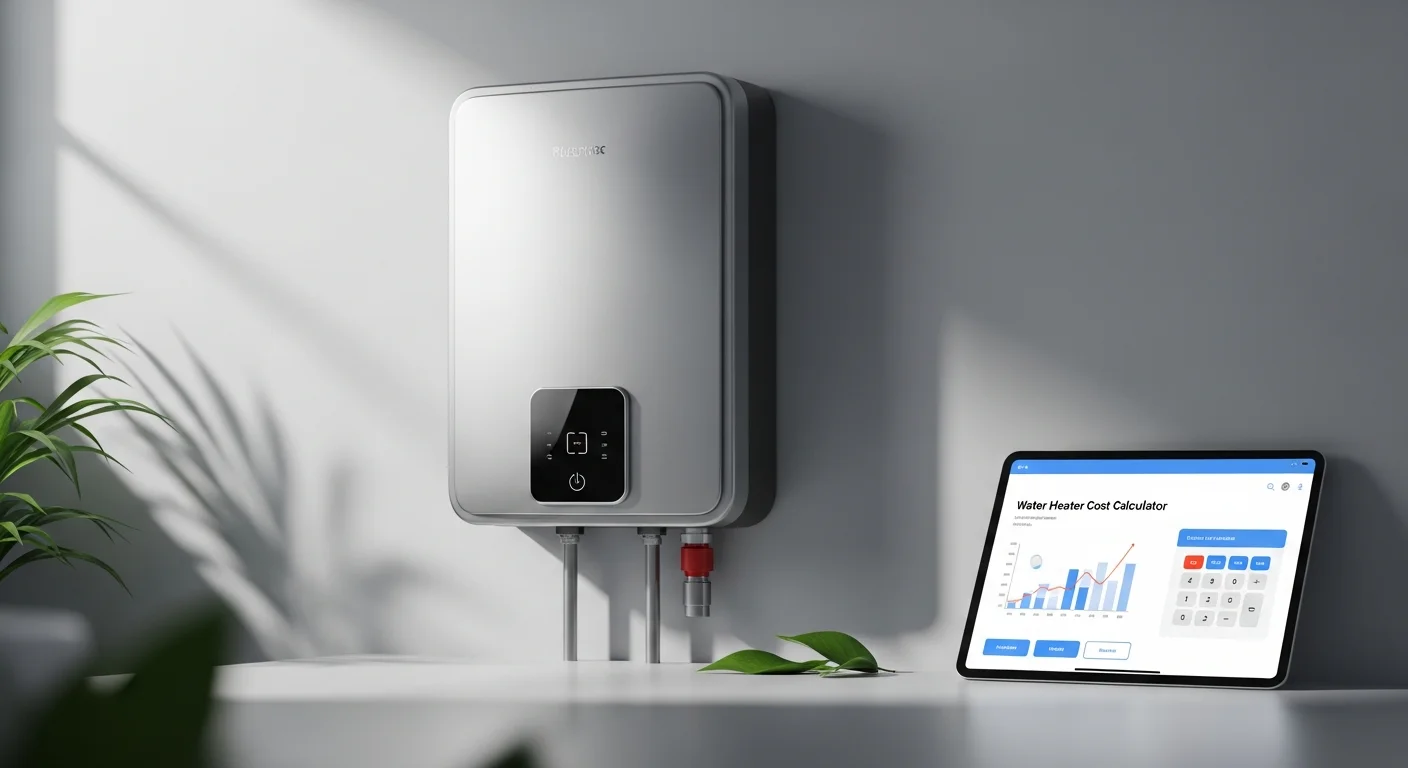
Water Heater Cost Calculator
Buy NowThe Shift to Heat Pump Technology
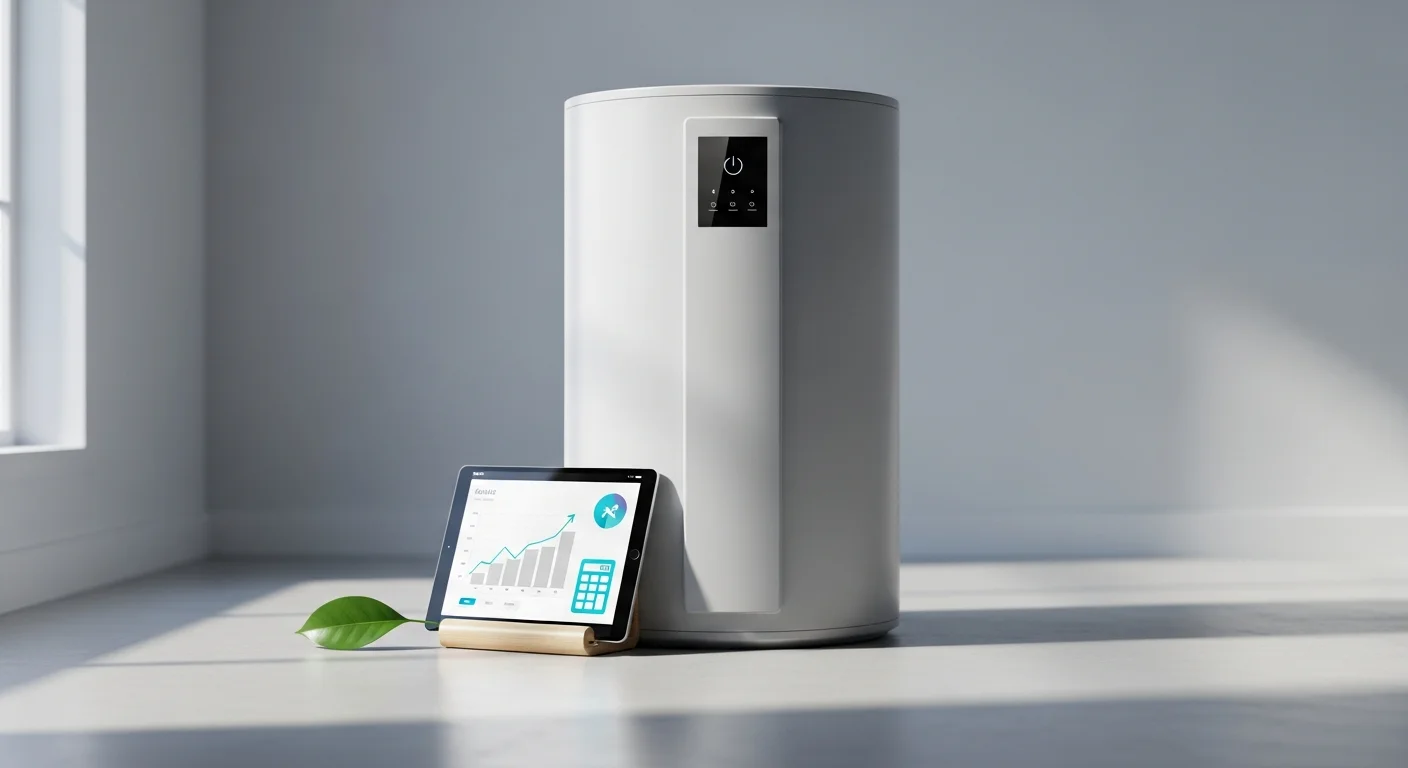
In 2026, heat pump water heaters (HPWH) have become the gold standard for electric water heating. These units work like a refrigerator in reverse, pulling heat from the surrounding air and transferring it to the water tank. This process is up to three times more efficient than traditional electric resistance heating.
Smart Grid Integration
Many 2026 models feature built-in Wi-Fi and demand-response capabilities. According to Energy Star, these smart features allow your water heater to communicate with the utility grid, heating water when electricity prices are lowest and reducing strain during peak hours.
Comparing the Heat Pump to a Solar Powered Water Heater
Direct vs. Indirect Energy Use
A solar powered water heater uses thermal collectors on the roof to directly heat water using the sun's rays. While extremely efficient in sunny climates, these systems often require more maintenance and a larger upfront investment than a heat pump system. Heat pumps offer more consistent performance regardless of cloud cover.
Hybrid Solar Solutions
Some homeowners are opting for a hybrid approach where a heat pump water heater is powered by a home's rooftop photovoltaic (PV) solar panels. This configuration provides the benefits of a solar powered water heater without the complexity of plumbing lines running to the roof.
| System Type | Key Benefit | Maintenance Level |
|---|---|---|
| Heat Pump | Ultra-high efficiency in all climates | Low (Filter cleaning) |
| Solar Thermal | Zero operational energy cost | Moderate (Fluid checks) |
| Hybrid Electric | Versatile operating modes | Low |
Ready to switch to high-efficiency heating? Check your eligibility.
Get Instant Rebate Estimates →Navigating 2026 Rebates and Federal Tax Credits
HEEHRA and Federal Tax Credits
Under the Inflation Reduction Act, federal tax credits (25C) continue to provide up to $2,000 for heat pump water heater installations in 2026. Additionally, the High-Efficiency Electric Home Rebate Act (HEEHRA) provides point-of-sale discounts for low-to-moderate income households.
State-Specific Programs
States like California offer additional layers of savings through programs such as TECH Clean California. These incentives can often be stacked, reducing the total cost of installation to a level comparable with traditional gas units.
How to Use a Water Heater Cost Calculator Effectively
Inputs Matter
To get an accurate estimate, you will need your current utility rates and the model number of your existing unit. A modern water heater cost calculator helps bridge the gap between gross price and the net investment after rebates.
Analyzing Payback Periods
A calculator doesn't just show the upfront price; it analyzes your long-term return. Most 2026 heat pump systems pay for themselves within 3 to 5 years through energy savings alone, especially when paired with local utility incentives.
Installation Requirements and Professional Sizing
Space and Airflow
Heat pump units require roughly 1,000 cubic feet of surrounding air to operate efficiently. If your water heater is in a small closet, you may need louvered doors or ducting to ensure proper airflow for the heat exchange process.
Electrical Considerations
If switching from gas to electric, you may need a 240V dedicated circuit. However, new "plug-and-play" 120V heat pump models have hit the market in Spring 2026, making the transition easier for older homes with limited electrical panel capacity.
Stop overpaying for hot water. Find your 2026 savings now.
Access the Savings Expert Tool →Frequently Asked Questions
What is the main difference between a heat pump and a solar powered water heater?
A heat pump extracts heat from the air using electricity, while a solar powered water heater uses the sun's direct thermal energy. Heat pumps are generally easier to install in existing homes, whereas solar thermal is best for new builds in high-sunlight regions.
Are there still tax credits for water heaters in 2026?
Yes, the federal 25C tax credit is active throughout 2026. Homeowners can claim 30% of the project cost, capped at $2,000 per year for heat pump installations.
How much can a heat pump water heater save me annually?
According to research from NREL, the average family of four can save between $300 and $500 per year on electricity compared to a standard electric tank.
Do heat pump water heaters work in cold garages?
Modern 2026 models are designed to operate efficiently even in temperatures down to 40°F. If the temperature drops further, the unit will automatically switch to backup electric resistance mode.
Can I install a heat pump water heater myself?
While possible for advanced DIYers, professional installation is recommended to ensure rebate eligibility. Many programs require proof of installation by a licensed contractor to process the payment.
Conclusion
Selecting the right water heater in Spring 2026 requires a balance of upfront cost, long-term efficiency, and available incentives. While the traditional solar powered water heater remains a viable niche option, the versatility and aggressive rebate structures for heat pumps make them the most accessible choice for most modern homeowners.
By utilizing advanced tools like a cost calculator, you can demystify the complex world of local and federal incentives. Taking action today not only helps the environment but secures your home against rising energy prices for the next decade. Don't leave money on the table; explore your options and upgrade to a cleaner, more efficient home today.
About the Author

Written by William Corcoran, Orange County Home Savings Expert
William Corcoran has helped Orange County families save money on their homes for over 15 years. Specializing in property tax reduction and smart refinancing, he offers expert guidance you can trust. www.energybot.com www.energystar.gov
Related Articles

Ready to Find Your Savings?
Get a free personalized report showing all rebates and incentives your home qualifies for.
Get My Free Report