Residential Solar Panel Installation Prices: The Real Benefits of Solar Energy for Houses in 2026
Key Takeaways
- Current 2026 federal tax credits significantly reduce the initial investment for residential solar systems
- Average payback periods for solar installations in California have dropped due to rising utility rates
- Battery storage is now a standard component for maximizing energy independence and grid resilience
- Using a professional home energy efficiency rating tool is the best way to determine system sizing and potential ROI
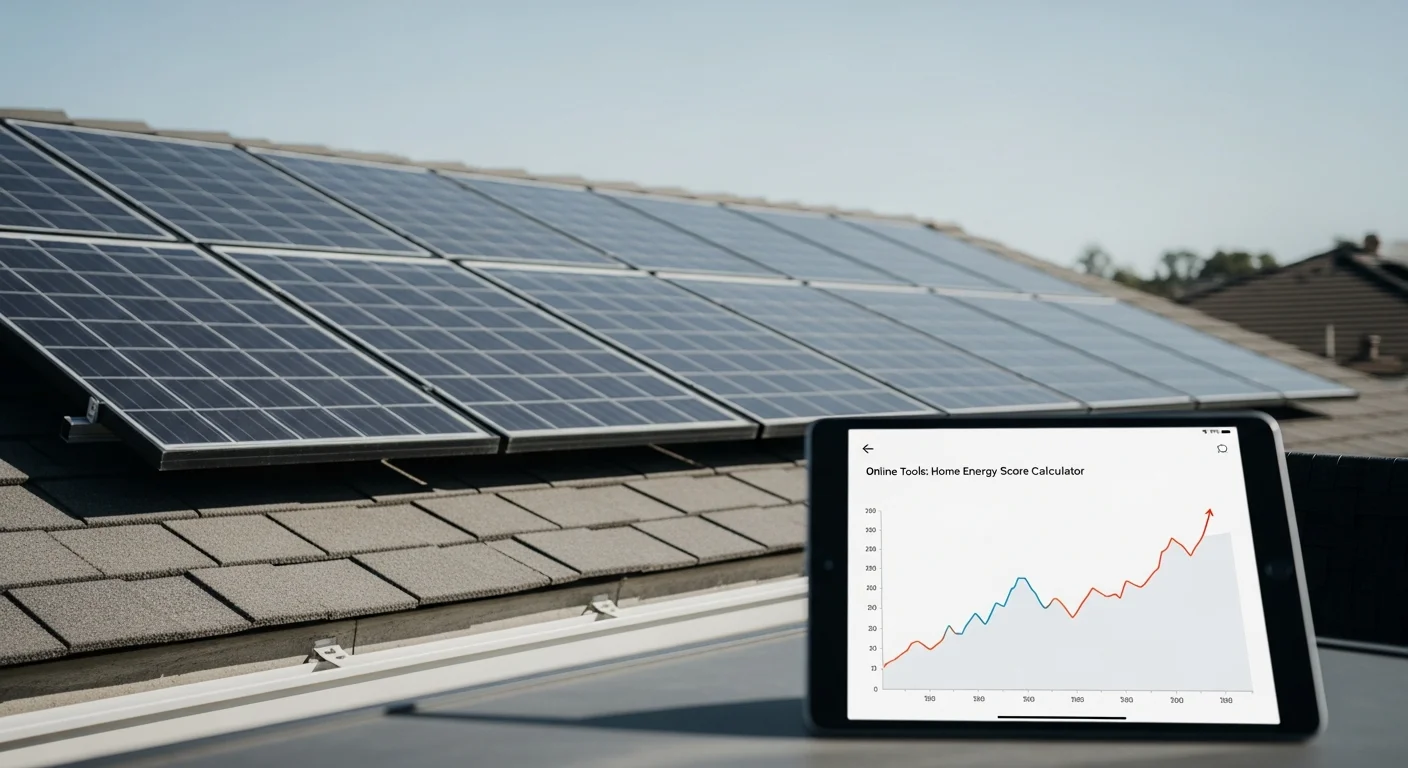
As we move through Winter 2026, many homeowners are re-evaluating their relationship with the electrical grid. With utility rates continuing to climb across the country, the conversation around solar power for home cost has shifted from a luxury consideration to a practical financial strategy. Modern advancements in photovoltaic technology and storage mean that residential energy systems are more efficient and affordable than ever before.
The decision to transition to clean energy involves more than just selecting panels. It requires a comprehensive look at your property's current efficiency, local sunlight exposure, and available state-level incentives. According to the Solar Energy Industries Association data, the market has seen a record-breaking number of installations as families seek to lock in their energy prices for the next two decades.
Understanding Residential Solar Panel Installation Prices
Home Energy Score Calculator
Buy NowHard Costs vs. Soft Costs
When looking at a quote, the total price is split between "hard costs" like hardware and "soft costs" such as labor and permitting. In 2026, while the price of high-efficiency silicon cells has stabilized, labor remains a significant factor in the final invoice. Financing fees and marketing also play a role in what a customer pays at the end of the day.
Labor and Permitting in 2026
Permitting processes have become more streamlined in many jurisdictions, reducing the time from contract to activation. However, skilled labor remains in high demand. It is essential to choose installers with a strong track record of navigating local building codes to ensure your system is compliant and eligible for all available warranties.
Want to see how efficient your home really is?
Get Your Home Energy Score Now →Evaluating the Solar Power for Home Cost in 2026
Average System Sizes and Pricing
The typical solar power for home cost for an average family residence in 2026 ranges from $15,000 to $25,000 before tax credits. For a standard 2,000 square foot home, an 8kW to 10kW system is usually sufficient to cover most energy needs. Prices can vary based on roof pitch, orientation, and the complexity of the electrical panel upgrades required.
The Impact of Battery Storage
Battery storage has become a non-negotiable for many, especially under new net-metering rules. Adding a 10kWh to 13kWh battery can add $8,000 to $12,000 to the total price, but it allows for "load shifting"—using stored solar energy during expensive peak hours in the evening. This significantly increases the overall value of the installation.
Solar Incentives for Homeowners 2026 and Tax Credits
Federal Investment Tax Credit (ITC)
According to the Department of Energy ITC guide, the federal tax credit remains a powerful tool for reducing the net price of a system. Homeowners can currently deduct 30% of the total installation cost from their federal income taxes, which provides a massive upfront reduction in the financial burden.
State-Specific Rebates and SRECs
Beyond federal help, many states offer performance-based incentives. Some regions provide Solar Renewable Energy Certificates (SRECs) which allow you to sell "green credits" back to the utility company. These programs, combined with local property tax exemptions, can shorten your payback period by several years.
Solar Panel ROI for California Homes: Long-term Savings
Calculated Payback Period
For California residents, the ROI is particularly attractive due to high tiered-pricing from utilities. Most systems pay for themselves within 6 to 9 years. After this period, the electricity generated by your roof is essentially free for the remaining life of the system, which is typically warranted for 25 years.
Identify efficiency leaks before going solar.
Get Your Home Energy Rating →Property Value Appreciation
Studies have shown that homes with owned solar systems sell for a premium compared to those without. Prospective buyers in 2026 view solar as a vital asset, similar to a modern kitchen or high-efficiency HVAC system. Research published by the NREL (National Renewable Energy Laboratory) suggests that every dollar in energy savings adds roughly $20 to your home's market value.
Solar vs Traditional Electricity Costs: A Price Comparison
The gap between solar and traditional energy costs is widening. While the grid relies on aging infrastructure and fluctuating fuel prices, solar offers a fixed cost of energy production. This stability is the primary reason why homeowners are looking to move away from utility dependency.
| Factor | Grid Electricity | Home Solar (2026) |
|---|---|---|
| Monthly Price | Increasing (Avg 5% annually) | Fixed (or $0 after payback) |
| Environmental Impact | High Carbon Footprint | Clean & Renewable |
| Energy Security | Dependent on Grid Stability | Independent (with Battery) |
Using Energy Efficiency Tools for Better System Planning
The Home Energy Score Advantage
Before investing in solar, it is vital to optimize your home's baseline energy consumption. A high-scoring home requires a smaller, less expensive solar system to reach net-zero energy. By using a specialized home energy efficiency rating tool, you can identify areas where insulation or window upgrades might be more cost-effective than adding extra panels.
Accurate System Sizing
Over-sizing a system leads to wasted capital, while under-sizing leaves you reliant on the grid. Data-driven assessments provide the clarity needed to match your production perfectly to your consumption patterns. This ensures that every dollar spent on your installation is working toward your financial goals.
Frequently Asked Questions
How long do solar panels last in 2026?
Modern solar panels are incredibly durable and typically come with a 25-year performance warranty. Most systems will continue to produce significant power for 30 to 40 years, although their efficiency decreases slightly by about 0.5% per year.
What is the best way to finance a solar system?
Cash purchases offer the highest ROI, but low-interest solar loans and PACE financing are popular alternatives. In 2026, many homeowners are using Home Equity Lines of Credit (HELOCs) to fund their systems, as the interest may be tax-deductible in some scenarios.
Does solar work in cloudy or cold climates?
Yes, solar panels generate electricity from light, not heat. In fact, panels can operate more efficiently in cooler temperatures. While output is lower on overcast days, modern high-sensitivity cells still capture enough diffuse light to contribute to your home's needs.
Will a solar system stop working during a blackout?
Standard grid-tied systems will shut off during a power outage for safety reasons. However, if your system includes a battery backup and an islanding inverter, your home can continue to operate independently of the grid during blackouts.
How much maintenance do solar panels require?
Solar systems are very low maintenance because they have no moving parts. Typically, an annual cleaning to remove dust and debris, along with a periodic inspection of the inverter and wiring, is all that is needed to maintain peak performance.
Conclusion
In Winter 2026, the case for renewable energy is stronger than ever. While the upfront solar power for home cost can seem daunting, the combination of tax incentives, energy savings, and increased home value makes it a sound investment. By taking a data-driven approach to your home's efficiency first, you ensure that your transition to clean energy is as profitable as possible.
Understanding your specific needs starts with a professional assessment. As energy markets continue to evolve, those who take control of their own production will be the best positioned for financial stability. Whether you are looking for long-term ROI or immediate environmental benefits, residential solar is the most effective tool available to modern homeowners.
Ready to optimize your home's energy performance?
Calculate Your Savings Potential →About the Author

Written by William Corcoran, Orange County Home Savings Expert
William Corcoran has helped Orange County families save money on their homes for over 15 years. Specializing in property tax reduction and smart refinancing, he offers expert guidance you can trust. www.energybot.com www.energystar.gov
Related Articles

Ready to Find Your Savings?
Get a free personalized report showing all rebates and incentives your home qualifies for.
Get My Free Report