Residential Solar Panel Benefits: A Complete Guide to Saving on Energy Bills in 2026
Key Takeaways
- Solar energy significantly reduces long-term utility costs for residential properties in 2026
- Home energy scores provide a critical baseline for measuring current efficiency before installation
- Federal and local tax credits remain a primary driver for investment returns this year
- Modern battery storage technology ensures energy independence during peak demand periods
The transition to renewable energy has reached a pivotal moment as we move through Winter 2026. For many property owners, the decision to invest in solar for home systems is no longer just an environmental choice but a critical financial strategy. As utility rates continue to fluctuate, self-generation offers a path toward stability and long-term wealth preservation.
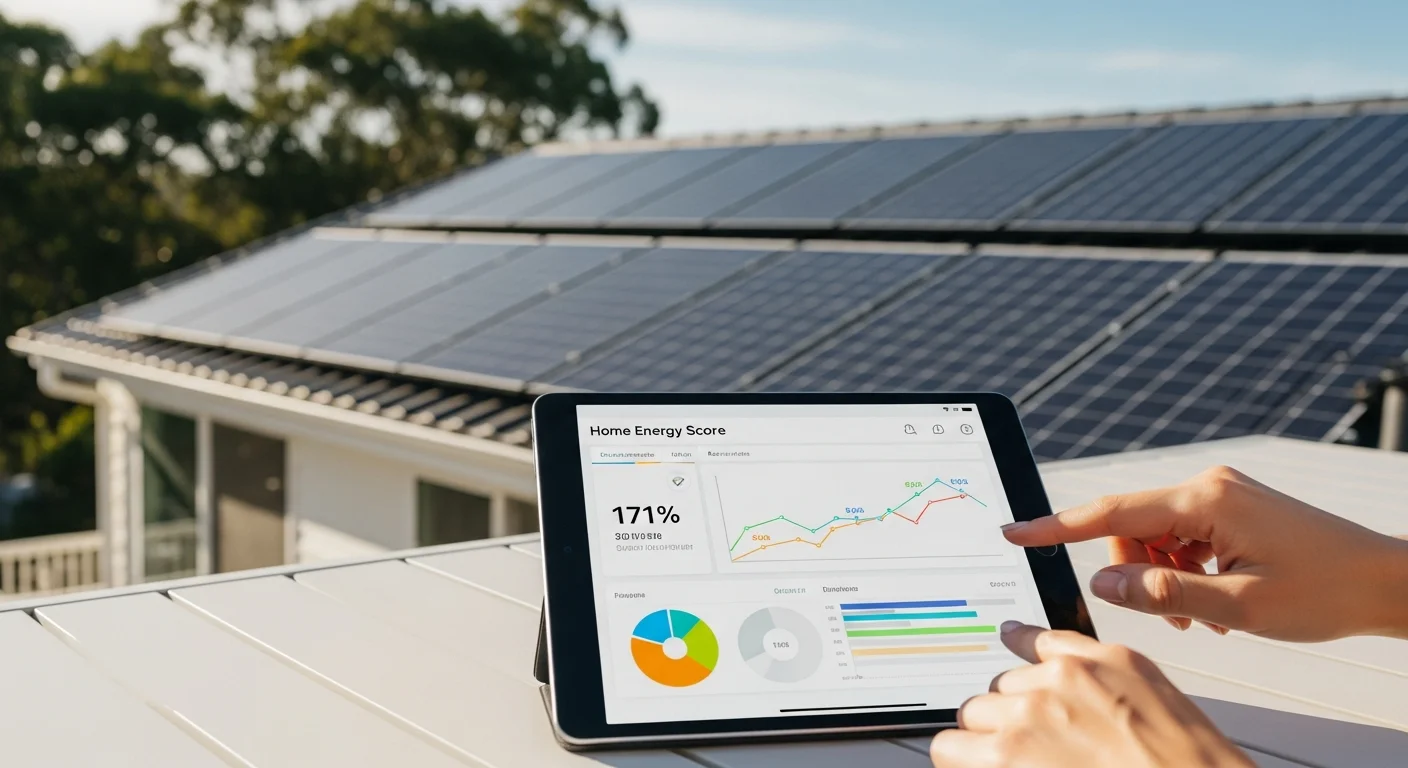
Understanding how your property consumes power is the first step toward optimization. By leveraging modern diagnostic tools, residents in Orange County and beyond can pinpoint exactly where their energy dollars are going. This data-driven approach ensures that any subsequent investment in renewable technology provides the highest possible return.
Ready to see your home's efficiency rating?
Try Our Energy Calculator →Residential Solar Panel Benefits in 2026
Home Energy Score Calculator
Buy NowReduced Reliance on the Grid
Generating your own electricity means you are less vulnerable to the price hikes of traditional utility companies. According to the U.S. Department of Energy guide, homeowners can save thousands over the lifespan of their systems. This independence is particularly valuable during the high-demand summer months.
Increased Property Value
Homes equipped with modern energy systems are often more attractive to buyers. Research from the Lawrence Berkeley National Laboratory suggests that energy-efficient upgrades directly correlate with higher resale values. Buyers in 2026 prioritize low operating costs when searching for new residences.
Using a Home Energy Score Calculator First
Establishing a Performance Baseline
Before installing panels, it is essential to use a home energy score calculator to understand your current footprint. This tool provides a rating based on your home's structure and systems. Improving your score through insulation or sealing before going solar can actually reduce the number of panels you need.
Data-Driven Decision Making
The calculator helps identify whether your HVAC system, windows, or attic insulation are leaking energy. Addressing these issues first ensures that your solar investment isn't just powering a wasteful environment. According to the Environmental Protection Agency, efficiency and generation should always work in tandem.
Is Solar for Home Right for Your Household Budget?
Evaluating Upfront Costs vs. Long-Term ROI
While the initial cost of solar for home can be significant, the Return on Investment (ROI) is often reached within 6 to 9 years. In 2026, various financing options make these systems accessible without large down payments. Analyzing your monthly utility spend will reveal how quickly the system pays for itself.
Operational Savings and Maintenance
Modern photovoltaic systems require very little maintenance beyond occasional cleaning. By reducing your monthly bills to the minimum service fee, you free up capital for other household needs. This consistent saving becomes a predictable part of your 2026 financial planning.
Calculate your savings potential today!
Get Your Free Energy Score →Financial Incentives and Solar Tax Credits
Federal Investment Tax Credit (ITC)
The Federal government continues to offer substantial tax credits for renewable energy installations. These credits can cover up to 30% of the total project cost, including labor and battery storage. It is vital to consult with a tax professional to maximize these benefits under the 2026 tax code.
Local Rebates and SRECs
Many states and local municipalities provide additional rebates to encourage the adoption of solar for home technology. You can find a comprehensive list of these programs at the Database of State Incentives for Renewables & Efficiency. Combining these with federal credits drastically lowers the net cost.
| Upgrade Type | Typical Savings Potential |
|---|---|
| Solar PV System | 70-100% of Electric Bill |
| Attic Insulation | 15% on Heating/Cooling |
| Smart Thermostat | 8-12% on Energy Usage |
| LED Lighting Retrofit | 5-10% of Total Load |
Steps to Improving Home Energy Efficiency
Professional Energy Audits
A professional assessment is the most effective way to identify hidden energy drains. Experts use thermal imaging and blower door tests to find leaks that homeowners often miss. This comprehensive review is a staple of a high-quality home energy score evaluation.
Seal and Insulate
Air leaks around doors, windows, and attic hatches can account for a large portion of energy waste. Using weatherstripping and high-R-value insulation keeps your climate-controlled air inside where it belongs. This makes your 2026 winter heating and summer cooling much more efficient.
Discover your home's energy potential now.
Start Your Assessment →Frequently Asked Questions
How does a home energy score affect my property value?
A high score serves as a verified seal of quality for potential buyers, indicating lower future utility costs. It provides transparency in the real estate market, often leading to faster sales and higher closing prices.
Can I install solar for home systems on an older roof?
It is generally recommended to replace or repair roofs that are more than 10-15 years old before installing solar panels. This prevents the need to remove and reinstall the panels shortly after they are placed.
What happens to solar production on cloudy winter days?
Solar panels still generate electricity in diffuse light, though at a lower capacity than direct sunlight. Modern high-efficiency panels in 2026 are designed to capture a broader spectrum of light to maintain production year-round.
Are there still federal tax credits available for solar in 2026?
Yes, the federal investment tax credit remains a powerful incentive in 2026. Homeowners can deduct a significant percentage of their installation costs from their federal taxes, making the transition much more affordable.
How long does a typical solar installation take?
The physical installation usually takes only 1 to 3 days. However, the entire process including permitting, design, and grid interconnection typically spans several weeks depending on local regulations.
Conclusion
Taking control of your home's energy profile is the smartest move you can make in the current economy. By starting with a professional assessment and moving toward a solar for home solution, you protect your household from rising utility costs while contributing to a cleaner future. The tools available today make it easier than ever to transition into a more efficient lifestyle.
Whether you are looking to increase your property value or simply want to lower your monthly overhead, the path forward is clear. Use the data from an energy score calculator to guide your upgrades and ensure that every dollar you invest works toward your long-term benefit. In 2026, energy independence is not just a dream—it is a practical reality for every homeowner.
About the Author

Written by William Corcoran, Orange County Home Savings Expert
William Corcoran has helped Orange County families save money on their homes for over 15 years. Specializing in property tax reduction and smart refinancing, he offers expert guidance you can trust. www.energybot.com www.energystar.gov
Related Articles

Ready to Find Your Savings?
Get a free personalized report showing all rebates and incentives your home qualifies for.
Get My Free Report