Energy Efficient Water Heating Solutions: Are Tankless Electric Systems Worth It in 2026?
Key Takeaways
- Tankless electric systems provide an endless supply of hot water without the standby energy loss of traditional tanks
- Installation in 2026 often qualifies for significant local and federal energy efficiency rebates through specialized calculators
- Proper sizing based on flow rate and climate is the most critical factor for homeowner satisfaction
- These units save significant floor space making them ideal for modern urban housing and ADU developments
As we move through the winter of 2026, homeowners are increasingly looking for ways to reduce their carbon footprint while managing rising utility costs. One of the most discussed upgrades this year is the electric tankless water heater, a technology that promises on-demand comfort and significant space savings. Unlike traditional tanks that heat and reheat water all day, these modern systems only activate when a faucet is turned on.
According to the U.S. Department of Energy, for homes that use 41 gallons or less of hot water daily, demand water heaters can be 24% to 34% more energy-efficient than conventional storage tank water heaters. This shift toward electrification is not just a trend; it is a fundamental change in how we manage residential energy. For those in Southern California, understanding these systems is the first step toward a more sustainable home.
Ready to see how much you can save on your next upgrade?
Calculate Your 2026 Rebates Now →Benefits of Energy Efficient Water Heating Solutions
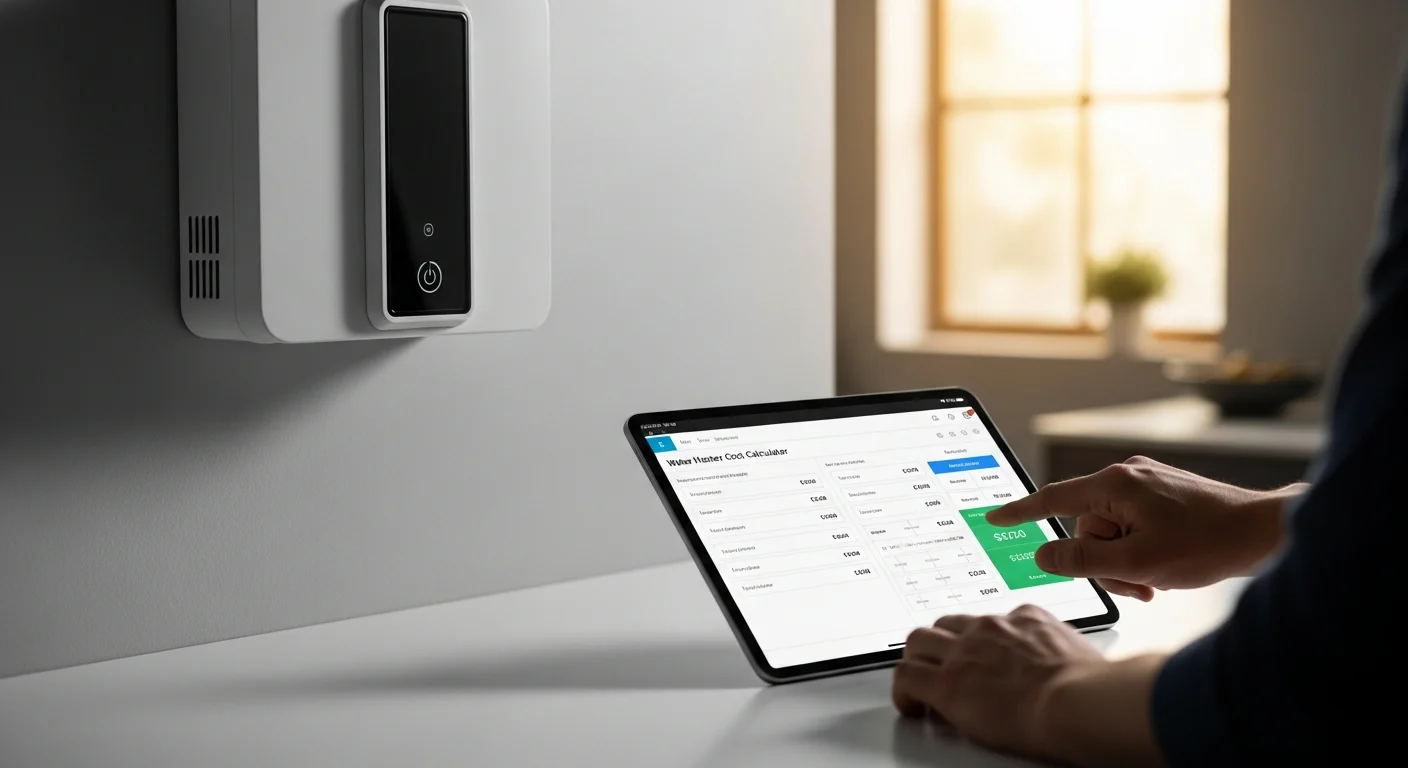
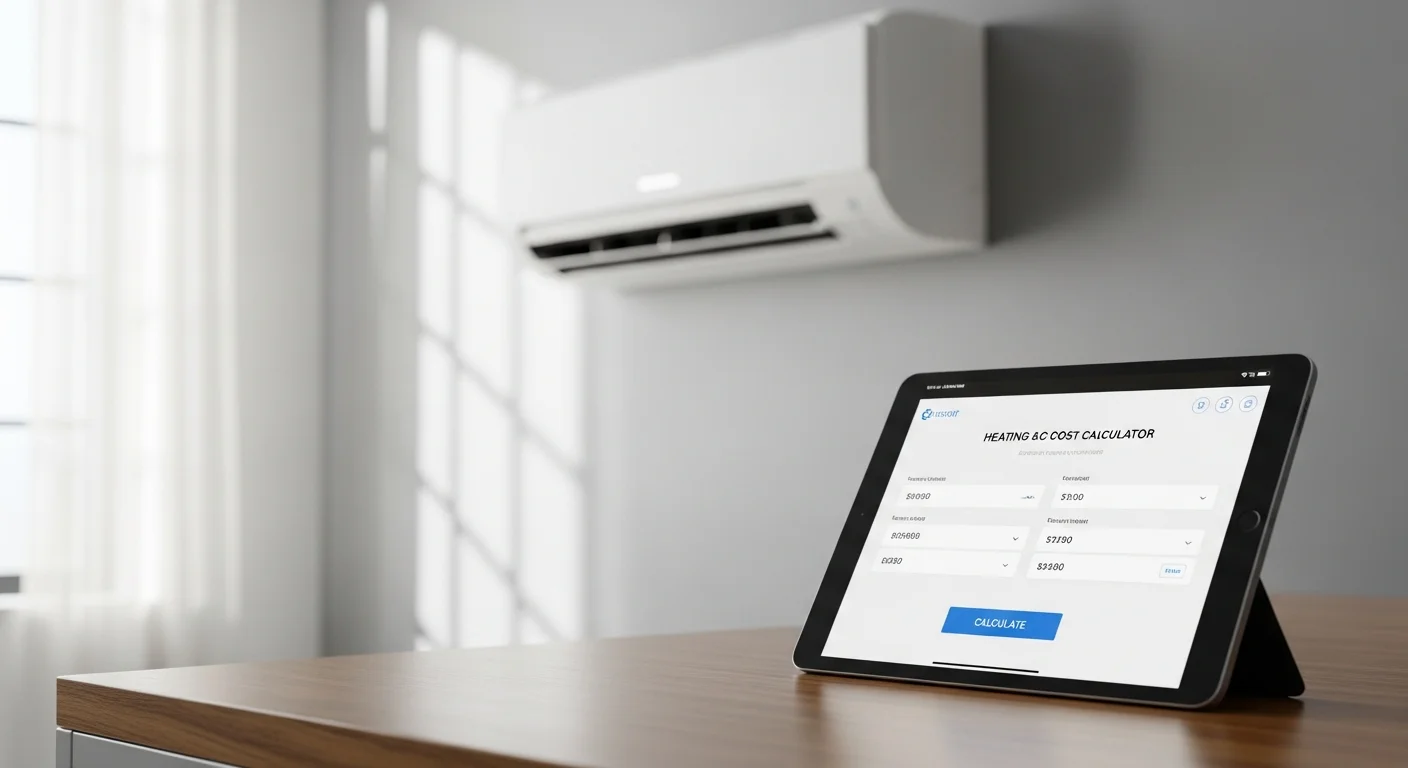
Water Heater Cost Calculator
Buy NowEndless Hot Water Supply
The primary draw for most families in 2026 is the elimination of the dreaded cold shower. By heating water directly as it flows through the unit, these systems provide a continuous stream of hot water. This is particularly beneficial for large households where back-to-back showers or multiple appliances are common.
Space-Saving Design for Modern Living
A standard 50-gallon tank occupies a significant amount of square footage. In contrast, modern electric units are roughly the size of a carry-on suitcase. This allows homeowners to reclaim garage space or even install the unit in a closet or under a sink, which is a major advantage for ADUs and small homes.
Extended Equipment Lifespan
Most traditional tanks are expected to last 8 to 12 years. However, high-quality tankless models often have a life expectancy of 20 years or more. Because they don't store water, they are less prone to the rust and corrosion that eventually kills storage-based heaters.
Electric Tankless vs Gas Tankless Water Heater Comparison
Installation Complexity
Gas units require complex venting systems and gas lines, which can be expensive to install or relocate. Electric models do not require venting, making them much simpler to place in various locations throughout the home. However, they do require significant electrical capacity, often needing several dedicated circuit breakers.
Environmental Impact and Carbon Footprint
With the grid becoming cleaner, electric heating is the preferred choice for eco-conscious homeowners. As stated by Energy Star, moving away from fossil fuels in the home is a critical step in reducing overall residential emissions. Electric units produce zero on-site emissions, unlike their gas-powered counterparts.
Maintenance Requirements
Both types require periodic descaling to remove mineral buildup, especially in hard water areas like Orange County. Electric units are generally easier to maintain because they lack complex burners and gas valves that require specialized technician inspections.
| Feature | Storage Tank | Tankless Electric |
|---|---|---|
| Average Lifespan | 10 Years | 20+ Years |
| Energy Loss | High (Standby) | Near Zero |
| Hot Water Supply | Limited to tank size | Endless |
Considering an upgrade? Check your eligibility for 2026 incentives.
Use the Savings Calculator →Electric Tankless Water Heater Installation Tips
Assessing Your Electrical Panel
The most critical step in installing an electric tankless water heater is ensuring your home can handle the power load. These units can draw 100 to 150 amps or more. In many 2026 home renovations, a panel upgrade to 200 or 400 amps is often required to support the heater alongside other electric appliances like EV chargers.
Calculating Flow Rate and Temperature Rise
You must determine how many fixtures you want to run simultaneously. According to research by Wikipedia, flow rates are limited by the temperature of the incoming ground water. In warmer climates like California, an electric unit can easily support two showers, whereas in colder regions, its capacity may be limited.
Point-of-Use vs. Whole House Systems
For some homeowners, a single whole-house unit is the goal. For others, installing smaller "point-of-use" units under specific sinks can eliminate the long wait for hot water to travel through the pipes. This distributed approach can be highly efficient in large, sprawling floor plans.
Choosing the Best Tankless Water Heater for Your Home
Brand Reliability and Warranty
Look for manufacturers that offer robust warranties on the heat exchanger. In 2026, many top-tier brands offer 12 to 15-year warranties. Ensuring your electric tankless water heater is backed by a reputable company ensures long-term peace of mind and easy access to replacement parts.
Smart Connectivity Features
The latest models feature Wi-Fi connectivity, allowing you to monitor energy usage and adjust temperatures from your smartphone. Some systems even include leak detection and automatic shut-off valves, which can prevent catastrophic water damage and potentially lower your home insurance premiums.
Hard Water Compatibility
Since these units use intense heat on small surfaces, scale buildup is a major concern. Professional installation of a water softener or an inline scale inhibitor is highly recommended for any homeowner investing in this technology to maintain peak efficiency.
Rebates and the Water Heater Cost Calculator
Maximizing Your Return on Investment
While the upfront cost of an electric tankless water heater can be higher than a traditional tank, the long-term savings often justify the expense. Between lower monthly utility bills and a longer lifespan, the total cost of ownership is frequently lower. Using an online calculator can help you visualize these savings over a 20-year period.
Federal and Local Utility Incentives
Governments are heavily incentivizing the switch to electric appliances. Many utility companies offer instant rebates at the time of purchase or tax credits during filing season. As an expert at Orange County Home Savings, I recommend checking local programs weekly, as new funding often becomes available in cycles throughout the year.
Stop guessing about installation costs and rebates.
Open the Cost Calculator →Frequently Asked Questions
Can an electric tankless unit provide enough water for a family of four?
Yes, provided the unit is correctly sized for the peak demand of the household. In many 2026 installations, we recommend units that can provide at least 5-7 gallons per minute (GPM) for families who often run multiple showers and appliances at once.
Is a panel upgrade always necessary?
It depends on your current home capacity. Most older homes with 100-amp panels will definitely require an upgrade. However, some newer homes built with all-electric infrastructures may already have the necessary capacity to support the unit without additional panel work.
How often does the unit need maintenance?
In areas with high mineral content in the water, a flush and descale procedure should be performed annually. This process removes calcium and scale from the heating elements to ensure the unit operates at peak efficiency and prevents damage to the system.
What is the average cost to install these units?
Installation costs vary widely based on electrical requirements. Typically, you can expect to pay between $1,500 and $3,500 for the unit and labor, plus any costs associated with upgrading your home's electrical panel or wiring to handle the increased load.
Do tankless heaters work well in cold climates?
They can, but they must be larger to compensate for the colder incoming water temperature. In freezing climates, the "temperature rise" required to get water to 120 degrees is higher, which effectively reduces the total GPM the unit can deliver compared to a warm climate installation.
In conclusion, choosing an electric tankless water heater is a forward-thinking decision for any homeowner in 2026. While the technical requirements for electrical capacity are significant, the benefits of space savings, endless hot water, and energy efficiency are undeniable. By moving away from stored water, you reduce the risk of leaks and standby energy waste, aligning your home with modern sustainability standards.
If you are ready to make the switch, ensure you consult with a qualified electrician and use a comprehensive rebate calculator to maximize your savings. The transition to all-electric living is well underway, and a high-efficiency water heater is a cornerstone of that journey. Start your journey today by exploring your local incentives and finding the perfect unit for your family's needs.
About the Author

Written by William Corcoran, Orange County Home Savings Expert
William Corcoran has helped Orange County families save money on their homes for over 15 years. Specializing in property tax reduction and smart refinancing, he offers expert guidance you can trust. www.energybot.com www.energystar.gov
Related Articles
Ready to Find Your Savings?
Get a free personalized report showing all rebates and incentives your home qualifies for.
Get My Free Report