Ductless Mini Split System Pricing: A Guide to Energy Efficient HVAC Upgrades in 2026
Key Takeaways
- Average installation costs vary based on the number of zones and unit efficiency ratings.
- Federal tax credits and local utility rebates in 2026 can significantly offset initial investments.
- Ductless systems offer superior energy efficiency compared to traditional forced-air setups.
- Professional sizing is critical to ensure optimal performance and long-term energy savings.
As we move through the winter 2026 season, many homeowners are re-evaluating their home comfort systems. With energy prices fluctuating, the demand for high-efficiency solutions has never been higher. Understanding the current cost for mini split installation is the first step toward a more comfortable and sustainable home environment.
Ductless technology has evolved rapidly, offering precise climate control without the energy loss associated with traditional ductwork. Whether you are looking to cool a single room or provide whole-home heating, these systems represent the cutting edge of energy efficient HVAC upgrades 2026. In this guide, we will break down the expenses and potential savings involved in making the switch.
Factors Influencing Ductless Mini Split System Pricing
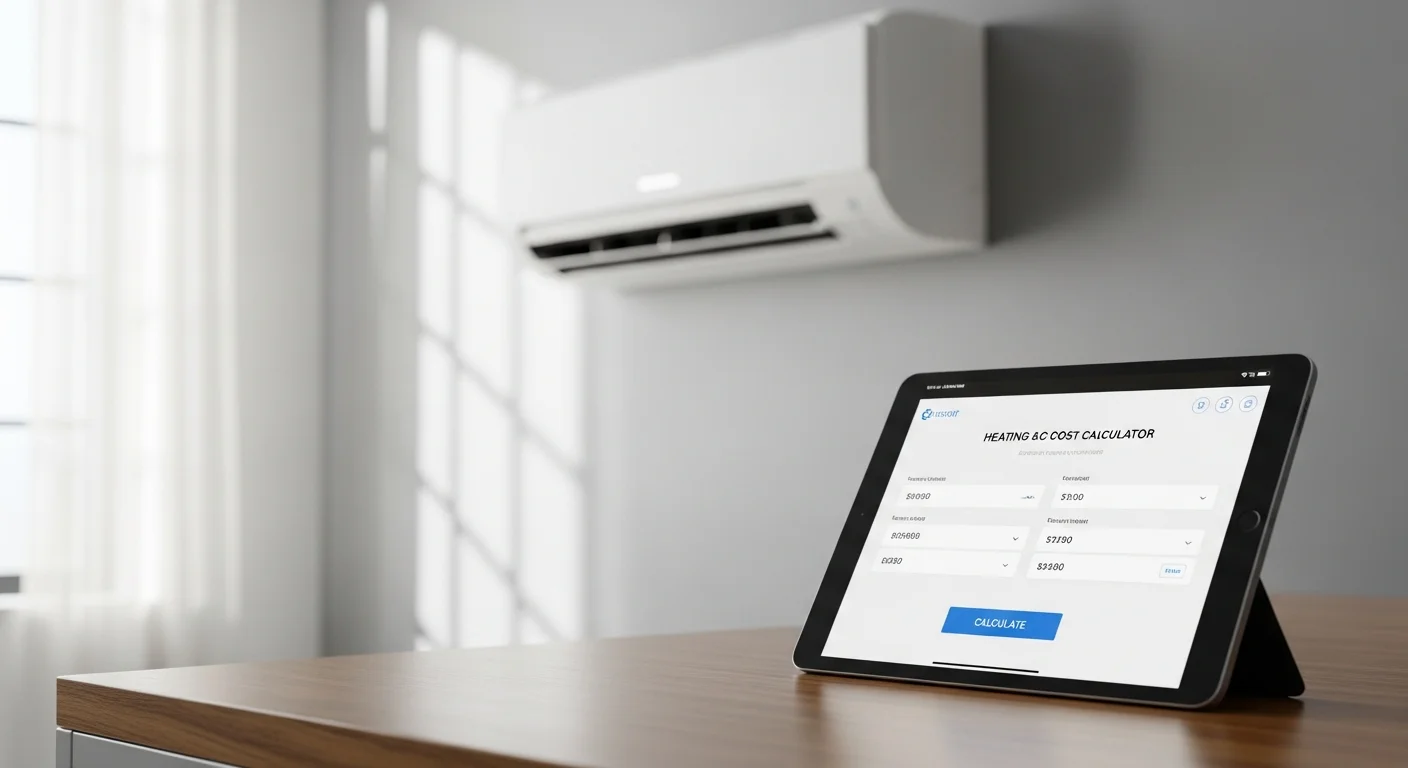
AC & Heating Cost Calculator
Buy NowSystem Capacity and BTU Ratings
The size of the unit, measured in British Thermal Units (BTUs), is a primary driver of cost. A larger room or an open-concept living area requires a higher BTU rating to maintain comfort. According to the U.S. Department of Energy, selecting a correctly sized unit is essential for both efficiency and equipment longevity.
Single-Zone vs. Multi-Zone Configurations
Single-zone systems are ideal for additions or master bedrooms, while multi-zone configurations allow for independent temperature control in different areas of the house. Multi-zone setups involve more complex refrigerant line routing, which impacts the overall labor and material expenses.
Efficiency Ratings (SEER2 and HSPF2)
In 2026, efficiency standards have reached new heights. Higher SEER2 (Seasonal Energy Efficiency Ratio) and HSPF2 (Heating Seasonal Performance Factor) ratings generally mean a higher upfront price but significantly lower monthly utility bills. High-performance models are often required to qualify for the latest HVAC tax credits 2026.
Average Cost for Mini Split Installation in 2026
The national average for a cost for mini split installation typically ranges from $3,500 to $12,000, depending on the complexity of the project. While DIY kits exist, professional installation is strongly recommended to ensure refrigerant lines are sealed correctly and the electrical components meet 2026 safety codes.
Want an accurate estimate for your home?
Calculate Your HVAC Savings Now →Labor and Permitting Requirements
Labor costs vary by region but generally account for 30% to 50% of the total project. This includes mounting the indoor air handler, placing the outdoor condenser, and performing the necessary electrical upgrades. Proper permitting ensures your system is compliant with local building regulations.
Electrical Infrastructure Upgrades
Older homes may require a dedicated circuit or a sub-panel upgrade to handle the power requirements of a multi-zone heat pump. Factoring these electrical needs into your initial budget prevents unexpected costs during the professional mini split setup process.
Benefits of Ductless Heating and Cooling
Enhanced Zoned Comfort
One of the primary benefits of ductless heating and cooling is the ability to set different temperatures for different rooms. This eliminates the "hot and cold spots" often found in homes with traditional central air systems.
Improved Indoor Air Quality
Traditional ducts can accumulate dust, allergens, and mold over time. Ductless systems feature multi-stage filtration that significantly improves indoor air quality solutions 2026, providing a healthier environment for families with respiratory sensitivities.
| Comparison Metric | Traditional Central HVAC | Ductless Mini Split |
|---|---|---|
| Energy Loss | Up to 30% via ducts | Near Zero |
| Installation Complexity | High (requires ductwork) | Moderate (non-invasive) |
| Temperature Zoning | Difficult/Expensive | Standard Feature |
Ready to upgrade your home comfort?
Get Your Free Cost Estimate →How Heat Pump Installation Costs Orange County Homeowners May Vary
Coastal vs. Inland Climate Needs
In areas like Orange County, the coastal influence can impact equipment selection. Units installed near the ocean may require additional corrosion protection. Understanding heat pump installation costs Orange County homeowners face involves looking at these micro-climate factors and local labor rates.
Local Permit and Compliance Fees
California has some of the strictest energy codes in the nation. This means that how much to install a mini split in this region may include Title 24 compliance testing and specific city-level permitting fees that aren't present in other states.
Maximizing High Efficiency Heat Pump Rebates and HVAC Tax Credits 2026
Federal Energy Incentives
The Energy Efficient Home Improvement Credit continues to provide substantial relief for homeowners. According to the Internal Revenue Service, qualified heat pump installations can yield a tax credit of up to $2,000 per year, making the net multi-zone mini split installation price much more affordable.
Utility Provider Programs
Many utility companies offer instant rebates for switching from gas furnaces or old electric baseboard heaters to high efficiency heat pump rebates. These incentives are often tiered, providing more money back for systems with higher performance metrics.
Using a Ductless AC Savings Calculator to Plan Your Budget
Estimating Long-Term ROI
A ductless AC savings calculator is an invaluable tool for comparing the total cost of ownership against traditional HVAC. While the initial investment might be higher, the reduction in monthly energy consumption typically leads to a payback period of 5 to 8 years.
Comparing Mini Split vs. Central Air Cost
When looking at mini split vs central air cost, consider that central air requires ductwork that may need cleaning, repair, or replacement. Ductless systems bypass these hidden costs, offering a more streamlined installation path for many property types.
Find out how much you can save on your energy bills!
Access the HVAC Cost Calculator →Frequently Asked Questions
Is a mini split cheaper to run than central air?
Yes, in most cases, ductless mini splits are significantly cheaper to operate because they avoid the energy losses associated with ductwork and allow for room-specific cooling. By only conditioning the spaces you are using, you can lower your energy consumption by 20% to 50% compared to central air.
How long does a professional mini split setup take?
A standard single-zone installation can often be completed in a single day, typically taking 4 to 8 hours. Multi-zone systems for larger homes may take two to three days depending on the number of indoor units and the distance between the indoor and outdoor components.
Do mini splits work well for heating in winter 2026?
Absolutely. Modern heat pump technology allows ductless systems to provide efficient heating even when outdoor temperatures drop significantly. Many units are now rated for "hyper-heat" performance, ensuring your home stays warm throughout the winter months.
What are the main ductless mini split maintenance tips?
The most important maintenance task is cleaning the filters every 4 to 6 weeks to ensure optimal airflow. Additionally, you should keep the outdoor condenser clear of debris and schedule a professional inspection once a year to check refrigerant levels and electrical connections.
Can I get a tax credit for a mini split in 2026?
Yes, under the current federal guidelines, high-efficiency heat pumps qualify for the Energy Efficient Home Improvement Credit. This can provide up to 30% of the project cost back as a tax credit, capped at $2,000 annually for most households.
Investing in Your Home’s Future
Choosing to upgrade your home with a ductless system is a smart financial and environmental decision. While the cost for mini split installation requires an upfront investment, the long-term energy savings and increased property value make it one of the most effective home improvements available today.
By taking advantage of the latest 2026 rebates and using advanced tools to calculate your potential savings, you can enjoy a more comfortable home while contributing to a greener planet. For personalized advice, always consult with a certified professional to ensure your system is tailored to your specific architectural needs.
About the Author

Written by William Corcoran, Orange County Home Savings Expert
William Corcoran has helped Orange County families save money on their homes for over 15 years. Specializing in property tax reduction and smart refinancing, he offers expert guidance you can trust. www.energybot.com www.energystar.gov
Related Articles

Ready to Find Your Savings?
Get a free personalized report showing all rebates and incentives your home qualifies for.
Get My Free Report