Benefits of Solar Panels 2026: How to Save with Residential Renewable Energy
Key Takeaways
- Residential solar energy remains the most effective way to lower monthly utility costs in 2026.
- Improving your home energy score directly impacts the resale value of your property.
- New federal and state tax credits in 2026 provide significant ROI for early adopters.
- Modern battery storage solutions offer increased energy independence during peak grid hours.
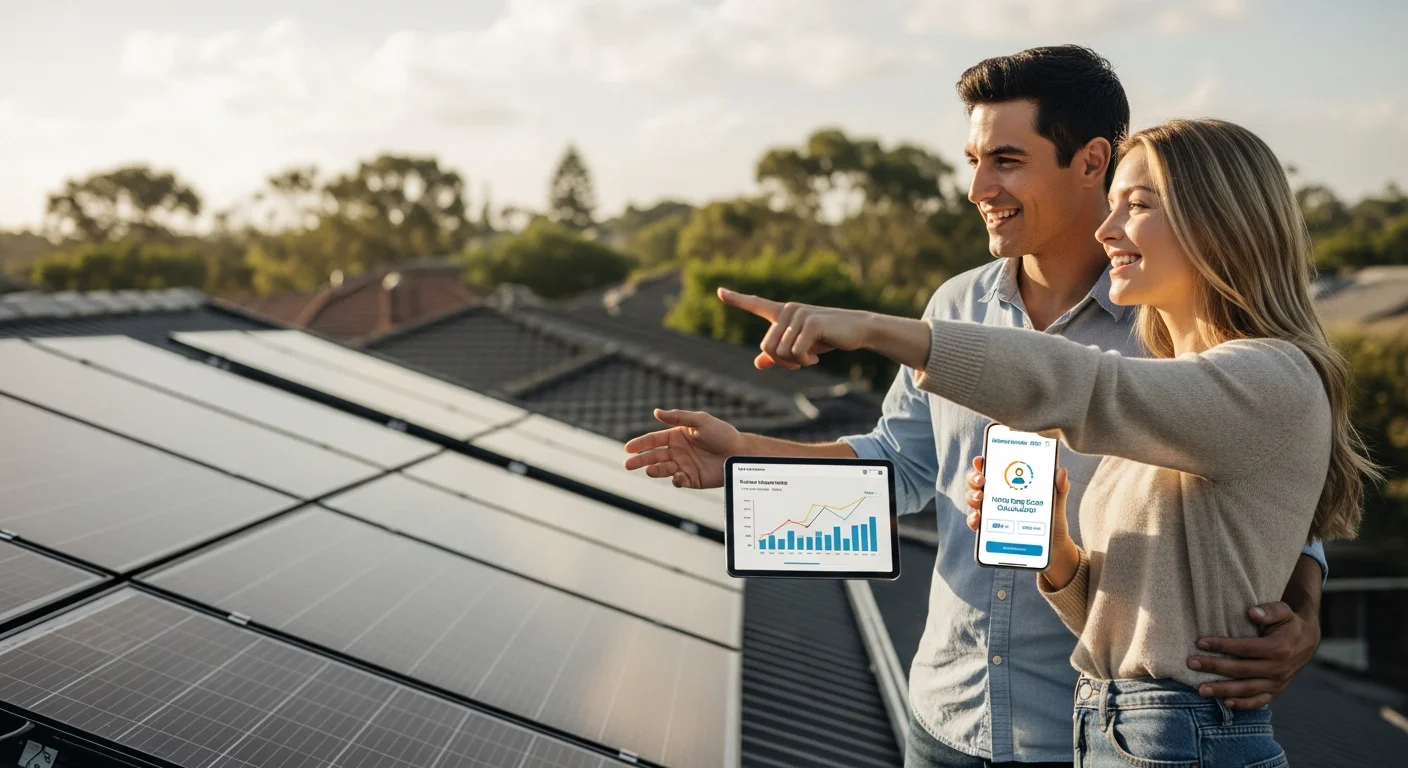
As we navigate the Winter 2026 season, homeowners across Orange County are facing unprecedented shifts in utility pricing. Stabilizing monthly expenses has become a top priority for families looking to protect their long-term financial health. Integrating a solar energy system for home use is no longer just an environmental statement; it is a critical strategy for energy independence and fiscal responsibility.
According to the Solar Energy Industries Association (SEIA), residential installations have reached record highs as technology becomes more efficient and affordable. In 2026, the intersection of advanced battery storage and high-efficiency photovoltaic panels has made it possible for many households to eliminate their dependence on traditional power grids almost entirely.
The Financial Benefits of Solar Panels 2026
Home Energy Score Calculator
Buy NowFederal Tax Credits and Incentives
The fiscal landscape in 2026 is highly favorable for those investing in renewable infrastructure. Federal incentives continue to provide a robust percentage back on initial installation costs, significantly shortening the payback period for the average homeowner. According to Energy.gov research, these credits can cover a substantial portion of the hardware and labor costs.
Reducing Long-term Utility Liability
Electricity rates from traditional utilities are projected to rise throughout 2026. By locking in your energy production costs now, you shield your household from future inflation. Most homeowners see an immediate reduction in their monthly bills, allowing that capital to be redirected toward other home improvements or savings goals.
Ready to see how much you can save?
Calculate Your Savings Now →Measuring Success with Home Energy Efficiency Ratings
The Impact on Property Value
A high efficiency rating is a major selling point in the current 2026 real estate market. Buyers are increasingly looking for properties with verified low operating costs. Using a professional calculator to determine your current rating is the first step toward strategic upgrades that will yield the highest return at resale.
Identifying Energy Leaks
Before installing panels, it is vital to ensure your home isn't wasting power. Simple fixes like improving insulation or upgrading to smart thermostats can complement your new energy production. This holistic approach ensures your home energy efficiency ratings reach their maximum potential.
Why a solar energy system for home is the Smart Choice
Environmental Responsibility
Reducing your carbon footprint is a priority for many Orange County residents. By utilizing clean energy, you contribute to a more sustainable community. According to the Environmental Protection Agency (EPA), shifting to residential solar significantly reduces greenhouse gas emissions compared to traditional fossil fuel power plants.
Reliability During Grid Failures
Modern setups integrated with battery storage provide peace of mind during seasonal storms or grid maintenance. Having a dedicated solar energy system for home use ensures that critical appliances—like refrigerators and medical equipment—remain operational even when the local grid goes down.
Is your home ready for solar?
Get Your Energy Score →Comparing Solar Energy vs Grid Power
| Feature | Traditional Grid Power | Residential Solar Energy |
|---|---|---|
| Monthly Cost | Variable and Rising | Fixed/Minimal |
| Carbon Footprint | High | Zero Emissions |
| Energy Security | Low (Grid Dependent) | High (Self-Sufficient) |
Residential Solar Energy Trends 2026
Bifacial Panel Technology
New for the 2026 season, bifacial panels capture sunlight on both sides of the module. This is especially useful for ground-mounted systems or homes with reflective roof surfaces. According to the National Renewable Energy Laboratory (NREL), this can increase energy yield by up to 15%.
Smart Grid Integration
Modern systems are now fully integrated with AI-driven apps that manage energy distribution. Choosing the right solar energy system for home management allows you to sell excess power back to the grid during peak pricing, maximizing your investment automatically.
Maintenance and Longevity of Your Investment
Routine Cleaning and Inspection
To keep your panels operating at peak efficiency, periodic cleaning is essential. Dust, debris, and pollen can create a barrier between the sun and the cells. Most experts suggest a professional inspection once a year to ensure all connections and inverters are functioning correctly.
Warranty and Lifecycle
The longevity of a solar energy system for home setups in 2026 is impressive, with many manufacturers offering 25 to 30-year performance warranties. This long-term durability makes solar one of the most stable home improvements available today.
Start your journey to zero-cost energy today.
Use the Home Energy Calculator →Frequently Asked Questions
How long does it take for solar panels to pay for themselves in 2026?
With current 2026 tax incentives and rising energy costs, the average payback period for a residential system is between 5 to 8 years. After this point, the electricity generated is essentially free for the remainder of the system's life.
Do solar panels work during the winter?
Yes, solar panels actually operate more efficiently in cooler temperatures. While the days are shorter during Winter 2026, the cold air helps the photovoltaic cells maintain a better voltage, which can offset the reduced hours of daylight.
Will solar panels damage my roof?
When installed by a professional, solar panels actually protect the portion of the roof they cover from UV rays and weathering. A proper installation includes high-quality flashing to ensure the roof remains watertight.
What happens if my home energy score is low?
A low score is simply a starting point. It helps identify exactly where your home is losing energy, such as old windows or poor attic insulation, allowing you to prioritize improvements that provide the best ROI.
Is battery storage necessary for every home?
While not strictly necessary, battery storage is highly recommended in 2026 to maximize savings. It allows you to use your own stored power during peak-rate hours in the evening, rather than buying expensive power from the grid.
In conclusion, transitioning to a solar energy system for home use is a multifaceted investment that pays dividends in financial savings, property value, and environmental health. By taking the time to understand your current home energy score and exploring the latest 2026 trends, you can make an informed decision that benefits your family for decades.
Ultimately, a solar energy system for home offers the ultimate peace of mind. As technology continues to advance and energy prices fluctuate, having your own source of clean, renewable power is the smartest move a homeowner can make in 2026.
About the Author

Written by William Corcoran, Orange County Home Savings Expert
William Corcoran has helped Orange County families save money on their homes for over 15 years. Specializing in property tax reduction and smart refinancing, he offers expert guidance you can trust. www.energybot.com www.energystar.gov
Related Articles
Ready to Find Your Savings?
Get a free personalized report showing all rebates and incentives your home qualifies for.
Get My Free Report